


A thoughtfully crafted pooja shelf can enhance the aesthetics of your living room while honoring spiritual practices. It brings a sense of tranquility, functionality, and visual harmony to the space. When designing, I prioritize proportions, quality of light, and tactile materials that evoke a sacred feeling, which is especially important in compact urban settings where every square inch counts. Utilizing a tool like Homestyler can assist in visualizing these elements effectively.
Space planning plays a critical role in shaping the ambiance. As per the guidelines by IFMA, modern micro-living spaces necessitate versatile cabinetry and vertical storage solutions to ensure fluid movement and safety. Lighting also significantly influences perceptions; the Illuminating Engineering Society (IES) suggests maintaining ambient light levels of 100–300 lux in living spaces, with task areas increasing to 300–500 lux for better visibility. These standards help achieve a soothing background glow combined with brighter highlights for religious icons or scriptures, maintaining a glare-free environment. For more insights on living environments, check the standards set by IES.
The impact of color on mood cannot be understated. Studies into color psychology reveal that warm tones like gold, soft saffron, and muted terracotta foster a sense of comfort and spirituality, while overly vibrant reds can create feelings of anxiety. For a serene ambience, consider warm neutrals for the shelf paired with subtle gold or brass accents for diya holders.
Consider Respectful Placement for the Pooja Shelf
The placement of your pooja shelf should harmonize with the home's flow and visual points. I recommend selecting a quiet wall that isn’t directly opposite the TV to minimize visual distractions. Ensure there is at least 30–36 inches of clear access in front, allowing for kneeling or sitting comfortably. In spaces where the living room connects to the dining area, a corner niche or shallow alcove can effectively signal the ritual space while maintaining a connected feel. In compact rooms or studio apartments, a vertically aligned niche next to a window works well, but avoid placing it in areas exposed to direct drafts; ensure surfaces are stable for handling flame-related activities.
Designing the Layout: Vertical Niches and Fold-Out Altars
Maximizing space can be achieved through thoughtful stacking and smart storage. A vertical niche featuring three tiers—placing idols at eye level (about 48–54 inches from the floor for most adults), followed by an incense and diya shelf below, and storage drawers at the bottom—ensures organization of ritual items. In multifunctional living rooms, a fold-out altar with a soft-close mechanism can quickly be concealed, providing a tidy facade after prayers. To visualize space allocations, a room layout tool can help simulate clearances and perspectives before finalizing cabinetry work.
Lighting Strategy: Soft Glow, No Glare
Layering light is essential for preserving the ritual atmosphere. Ambient lighting around 150–250 lux promotes calmness in the living room, while accent lighting (300–500 lux) should direct from the side or above to minimize direct glare. Opt for 2700–3000K warm white for an inviting, devotional look; anything cooler can feel sterile. Dimmable LED strips beneath a cap rail or behind a decorative jaali panel contribute to this effect, ensuring lighting fixtures are easily maintainable. Keep diya setups away from vertical surfaces to prevent smoke and wax damage; using a small metal or stone tray can help redistribute heat. Position candles below eye level to further reduce glare.
Material Choices: Fire-Resistant, Easy to Clean, and Sacred
Combining solid wood or engineered veneer with a non-porous stone surface, like quartz or granite, for the diya area creates a reverent experience. Incorporate brass or bronze details for added warmth in ritual practices. Utilize moisture-resistant laminates for shelves to manage oil and incense residues effectively. Avoid open-grain woods near flames, and consider featuring removable trays and discreet cable management systems to maintain cleanliness. When implementing intricate lattice designs, ensure the perforation size allows for airflow while minimizing dust accumulation.
Acoustic Softness in Shared Living Areas
Chants and bells benefit from an acoustically soothing environment. Simple additions such as area rugs, upholstered furniture, and fabric curtains can help minimize sound reverberations. If your living space features hard flooring, placing a rug under the pooja area can soften footsteps and define a peaceful zone. For additional noise control, ensure bells and plates have closed storage when not in use.
Comfort and Ergonomics in Ritual Practices
Maintaining eye-level placement is crucial. Aim to position the central idol at standing eye height for short prayers, or just above seated level for those who sit. Maintain an 8–12 inch distance between incense and flammable materials, and keep matches or lighters in a child-safe drawer. Providing a kneeling cushion or a low pooja stool that stands at 15–17 inches can ease longer prayer sessions. Ensure the main shelf has a minimum depth of 18 inches to accommodate lamps and offerings without overcrowding.
Styles to Explore: Minimal, Traditional, and Transitional
- Minimal: Choose flush panels, handle-free doors, warm white lighting, a quartz ledge, and a singular brass bell for decor. Implement tonal contrasts, such as light oak paired with matte brass, for subtle emphasis.
- Traditional: Incorporate carved wooden supports, jaali doors, brass puja thali displays, and handwoven runners. Ensure a balance between ornamentation and clean lines to avoid clutter.
- Transitional: Use slim shaker doors in a satin finish, backlit niches, and aged brass pulls set against a textured wall in muted terracotta tones.
Compact Solutions for Limited Space Designs
- Wall-mounted niche: Keep it 10–12 inches deep and use concealed brackets to maintain an airy floor.
- Corner altar: Design a triangular cabinet with two shallow upper shelves to maximize corner use.
- Sliding panel altar: Install a rail system to conceal the niche, utilizing soft-close mechanisms and vented panels for air circulation.
- Fold-down shelf: Mount it at standing height, allowing for a stable platform for quick rituals with storage integrated above.
Storage and Safety: Conveniently Concealed
Create a top drawer for incense, oils, and matches, alongside a deeper base drawer for seasonal items. If using open flames, ensure access to a small fire-resistant surface and keep a compact Class A/B extinguisher nearby but out of sight. Proper cable management for electric diya-style lamps helps avoid tangling and maintains visual cleanliness. Furthermore, ensure proper ventilation with either a nearby window or a discreet grille to manage smoke and aroma.
Harmonizing with Living Room Focal Points
Achieving balance is essential. If a large TV wall dominates the room, consider moving the pooja shelf to a side wall and incorporating soft lighting to complement it. A low console with a raised niche can create a visual flow across the room. Remember to maintain a visual hierarchy, where ritual objects appear intentional and serene, rather than clashing with entertainment pieces or art decor.
Color Psychology in Pooja Areas
Opt for gentle creams, warm beiges, and light tan woods for grounding effects. Accents in muted saffron, gold leaf, or bronze convey a sense of auspiciousness without overwhelming the senses. While cool blues can radiate calmness, they may not feel traditional; complement them with brass to enhance warmth. Matte finishes can help diminish glare during candlelight, making them a wise choice for the design.
Maintenance: Upholding Sanctity and Simplicity
Choose finishes that are easy to wipe clean, along with removable trays and accessible lighting components. Implementing a routine of dusting and polishing brass with non-toxic products will keep the area radiant. Furthermore, if incense is used frequently, consider a covered holder to control the ash spread.
Tip 1: Ratios and Symmetry in Layout
Center the idol niche within its panel width, ensuring side margins of 2–4 inches for a proportional frame. Employ verticality in design: base storage should be 18–24 inches tall; the primary altar space between 24–30 inches; and a lightweight top shelf or canopy sized at 6–10 inches. Utilize your interior layout planner or room design visualization tools to adjust sightlines and furniture positioning.
Tip 2: Managing Daylight and Glare
Diffuse daylight using sheer curtains or a perforated screen; ensure that direct sunlight does not impact the idol, preventing fading or overheating. When near a window, orient the shelf perpendicular to the source of light to further reduce glare.
Tip 3: Sustainable Material Choices
Prioritize FSC-certified wood, low-VOC finishes, and long-lasting LEDs with a high color rendering index (CRI 90+) for optimal natural tones. Selecting reusable brass diyas and refillable oil containers contributes to sustainable practices, minimizing waste.
Tip 4: Improving Air Quality and Fragrance
Opt for natural resins or low-smoke incense offerings. Keeping a tray for ash and wiping surfaces after rituals will help manage residue. If anyone in the house has sensitivities, consider using electric diyas for everyday use while reserving traditional flames for special occasions.
Frequently Asked Questions
Q1: How high should the main idol be on a living room pooja shelf?
A: Place it at around 48–54 inches from the finished floor to ensure eye level when standing. If seated prayers are more common, positioning it slightly lower can enhance accessibility.
Q2: What are the best lighting levels to avoid glare?
A: Keep ambient light levels between 150–250 lux, and accent lighting between 300–500 lux. Select 2700–3000K warm LEDs and angle them properly to avoid direct reflections on shiny surfaces, in accordance with IES recommendations for living areas.
Q3: What materials are suitable for diya placement?
A: Utilize a non-porous stone ledge, like granite or quartz, paired with a metal tray to catch spills. Steer clear of open-grain wood, where oil and heat are likely to penetrate. Maintain a distance of 8–12 inches from any flammable decor.
Q4: How can I include a pooja shelf without it clashing with the TV wall?
A: Move the altar to a quieter side wall and employ subtle layered lighting. Keep decorative elements minimal and align horizontal lines with adjacent furniture to preserve visual coherence.
Q5: Which colors are most soothing for a pooja corner?
A: Warm neutrals like soft cream, beige, and light oak, accented with brass or soft saffron shades are ideal for calmness and focus, in line with color psychology findings.
Q6: Is it possible to add doors for discretion?
A: Yes, incorporating soft-close doors with ventilation options like jaali or perforations can facilitate airflow. Sliding or bi-fold doors work well in limited spaces.
Q7: How can I manage incense smoke in a shared living area?
A: Ensure effective ventilation or use a small grille nearby, choose low-smoke incense sticks, and utilize covered holders. Clean surfaces post-rituals and consider electric diyas if anyone is sensitive to smoke.
Q8: What’s the minimum depth needed for a functional pooja shelf?
A: Aim for a depth of around 18 inches to provide ample space for lamps and offerings without cramping the area. In tighter settings, a 12-inch depth may suffice for a wall niche if diya use is infrequent and managed.
Q9: How can I plan the layout before building cabinetry?
A: Employ layout simulation tools to test clearances and door movement, verify sightlines from seating, and confirm proportions prior to any construction.
Q10: What ergonomic practices are recommended for kneeling or seated prayer?
A: Provide a cushioned mat or low stool between 15–17 inches in height, ensuring at least 30–36 inches of clearance in front of the shelf, with ritual items easily accessible to prevent strain.

Minimalist Solid Wood Linen Armchair with Throw Pillow 3D Model

Minimalist Solid Wood Linen Fabric Three Seat Sofa 3D Model
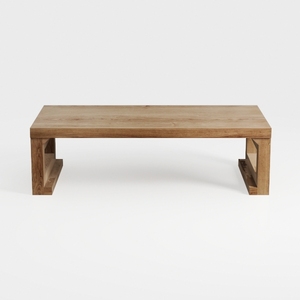
Bed Table Bed Desk Living Room Simple and Creative
Homestyler is an outstanding online home design platform that empowers you to create stunning spaces effortlessly. Enjoy its user-friendly design tool, vast collection of 3D renderings, and inspiring DIY video tutorials, making your interior design journey both exciting and accessible.
지금 무료로 디자인하세요
































