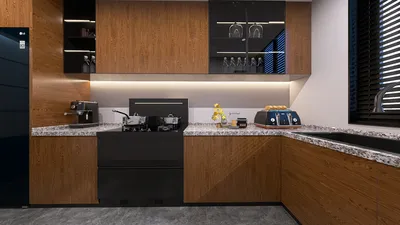


Creating a pooja room in a south-facing residence requires more than just adherence to tradition; it necessitates meticulous orientation, balanced lighting, and intuitive space planning. I integrate Vastu principles with a human-centric design approach to ensure that the area is both spiritually fulfilling and ergonomically optimized. Following the LIGHT standards set by WELL v2, the ideal light levels for various activities range from 300 to 500 lux, crucial for differentiating between ambient lighting and accent lighting surrounding altars and sacred icons. Research from Steelcase indicates that managing light and minimizing visual clutter can significantly reduce cognitive stress, thereby fostering improved concentration and tranquility—essential for daily prayers and meditation sessions in your Homestyler setup.
The selection of colors and orientation is vital. According to Verywell Mind’s insights into color psychology, warm colors like saffron and gold can inspire feelings of optimism and vigor, while cool whites evoke clarity and contemplation—perfect for harmonizing the lively elements of rituals with a calm environment. WELL v2 also emphasizes the importance of circadian-friendly light temperatures (2700–3000K for soothing evening use; 3500–4000K for daytime visibility), making it ideal for pooja rooms: softer warm light is desirable during the dawn/dusk aarti, while a neutral white is suitable for preparation and reading tasks. To minimize glare as suggested by IES guidelines, I incorporate diffusers and indirect lighting fixtures, preventing harsh reflections that could detract from the serene environment in the Homestyler design.
Orienting the Pooja Room in a South-Facing Home
In many south-facing homes, movement inside often directs toward the southern or southwestern sections, whereas Vastu traditionally recommends situating the pooja room in the northeast (Ishan) area, followed by the east or north. Practically, I assess the compass orientation of the home, aligning sacred icons so that the worshipper faces east or north during prayers—this practice aligns with Vastu principles and facilitates the influx of natural morning light. If spatial constructs limit a full-sized room, a designated niche in the northeast corner of the living room or a compact area adjacent to the dining space can be effective. For testing layouts and ensuring adequate furniture clearance, employing a simple interior layout planner can be advantageous for visualizing door swings, seating arrangements, and altar accessibility: a room layout tool is conveniently available in Homestyler.
Entrance, Threshold, and Sight Lines
I prefer a single, subtle door situated on the east or north side of the pooja area, avoiding direct alignment with bathrooms or kitchens to minimize sensory interference. It is essential to keep the pooja room visible while ensuring it is not placed in a busy line of sight. A slight offset or the addition of a screen can reduce distractions without secluding the space. From an ergonomic perspective, maintaining a clear 800–900 mm pathway allows for safe access, and a knee clearance of 300–350 mm enhances comfort during seated prayer on platforms.
Altar Placement, Proportions, and Seating
The altar should be positioned against the east or north wall. For optimal proportions, I set the altar's height around 900–1050 mm for visibility when standing and 600–700 mm for seated offerings. For those who prefer floor seating, a low platform of 150–200 mm in height can alleviate knee strain. It is advisable to avoid placing idols directly under beams. Shelves designed for incense, diya, prasad, and scriptures should be easily accessible without requiring overstretching—aiming for a range of 450–1200 mm above the finished floor is safe and ergonomic.
Lighting: Lux Levels, Color Temperature, and Glare Control
For ambient lighting, aiming for 200–300 lux is ideal, while the altar should receive between 300–500 lux. Utilizing a warm 2700–3000K for aarti and meditation sessions is beneficial; additionally, a switchable neutral 3500–4000K for reading tasks is useful. Indirect sconces, cove lighting, or diffused pendant fixtures serve to mitigate glare from metallic decor and flame reflections. Adhering to IES glare-control recommendations, it is important to keep direct downlights positioned off-axis from the idols and to avoid high-gloss surfaces right behind lamps to ensure the ambiance stays serene.
Materials, Acoustics, and Sensory Comfort
Opt for natural woods, matte stones, and low-VOC finishes to achieve a serene tactile experience while maintaining good air quality. A thin rug or cork underlay can soften footfall sounds; fabric panels or intricately carved wooden jaali can enhance acoustic warmth without deadening the room's sound. Ensure that storage is quiet—utilizing soft-close hardware and felt pads under bells—so that sounds are ceremonial rather than mechanical. If conch or temple bells are present, adding a small acoustic diffuser behind the altar can prevent sharp echoes from disrupting the ambiance.
Color Psychology and Symbolic Balance
Choose a calm base-color scheme such as off-white, cream, or light beige, and introduce sacred accents in colors like saffron, vermilion, peacock green, or marigold. Based on color psychology research, warm tones can uplift one's mood, while muted neutrals foster a reflective atmosphere. I find it beneficial to balance vibrant textiles (such as rangoli and drapes) with matte walls in the design to ensure that the altar remains the focal point rather than a chaotic display.
Fire, Incense, and Ventilation
When lighting diyas, position them on the east side of the altar, keeping them away from any drafts. It is important to incorporate a small operable window or a discreet exhaust fan to manage incense and camphor smoke effectively. While a low-speed fan with a silent motor is permissible, ensure it does not create airflow that directly disturbs the flames. Surround lamps with non-combustible surfaces and maintain at least 150 mm clearance from curtains or paper decorations.
Storage, Clutter Control, and Ritual Workflow
Incorporate drawers designed specifically for puja kits, matchbooks, prayer books, and fresh flowers. A narrow pull-out drawer for incense keeps ash contained; a concealed bin for flower disposal near the entry can help prevent scent accumulation. Sequencing the workflow from left to right (or clockwise) from preparation to offering to storage promotes an intuitive movement during daily rituals.
Doors, Windows, and Privacy in a South-Facing Plot
Even though your home faces south, the internal layout of the pooja room can still honor the northeast orientation. If a window exists, I recommend maximizing eastward light for morning rituals. Employ translucent screens for privacy—etched glass or wooden lattice designs can add sacredness without complete isolation. Avoid placing mirrors directly opposite the altar to eliminate visual duplication of icons, ensuring the integrity of the space.
Electrical, Safety, and Maintenance
Incorporate a dedicated electrical circuit with surge protection for lamps and audio equipment. It is wise to keep switch plates away from the altar to prevent the buildup of hand oils and ash on controls. Opt for non-drip diya cups, metal trays beneath incense, and a fire-rated mat under the lamp stand. Regular monthly cleaning of soot from fixtures preserves light quality and prevents yellowing.
South-Facing Apartment Constraints and Creative Solutions
In smaller apartments, a wall-mounted niche with sliding lattice doors in the northeast corner can function effectively. Utilizing cove lighting and including a small dimmer switch allows for multi-functional control. In scenarios where structural limitations hinder the north or east wall availability, adjust the devotee’s posture to ensure that they face east or north, even if the wall behind the altar is not directly aligned. For visual planning and circulation analysis in tighter spaces, utilizing a layout simulation tool available in Homestyler can expedite the design iteration process.
Common Mistakes to Avoid
• Situating the altar beneath a beam or against a bathroom wall.
• Excessively using mirrors or glossy tiles that cause glare.
• Combining too many metallic finishes—such as brass, chrome, and copper—without a matte counterbalance.
• Allowing clutter to gather on the altar ledge.
• Overlooking adequate ventilation when burning incense frequently.
FAQ
Position it to face east or north. Even if the house's exterior faces south, arrange the pooja room or seating to maintain east/north alignment.
Opt for the northeast region. If that zone isn't possible, select eastern or northern portions of the living/dining area while ensuring calm circulation and privacy.
Aim for ambient lighting at 200–300 lux; tasks around the altar should have levels between 300–500 lux. Use 2700–3000K for aarti and 3500–4000K for reading tasks, aligning with WELL and IES standards.
Incorporate indirect fixtures, matte backgrounds, and off-axis lighting. Avoid downlights situated directly over flames or reflective tiles behind idols.
If structural constraints arise, make sure the devotee remains oriented towards east/north, adding calming elements and regulating light and acoustics while prioritizing the northeast alignment within the room's layout.
Opt for matte stone, natural wood, low-VOC paints, and soft textiles. Steer clear of shiny surfaces positioned near the altar.
Design shallow drawers and a pull-out for incense. Maintain a hidden bin for flower disposal and a tray system that separates daily items from occasional ones.
Absolutely. Ensure there’s an operable window or discreet exhaust while keeping airflow gentle enough not to disrupt the flames.
Soft rugs, wooden lattice, and small sound diffusers can help diminish harsh echoes while sustaining a warm, vibrant tone in the space.
Warm colors like saffron and gold elevate the spirit; muted whites assist in calming the mind. Finding a suitable balance with a neutral foundation is key to preventing overstimulation.
Ensure a clear pathway of 800–900 mm, with altar heights around 900–1050 mm for standing and 600–700 mm for seated positions, along with safe reach areas between 450–1200 mm.
Indeed, utilize discreet dimmers, whisper-quiet fans, and a compact speaker for chants—while maintaining appearance separation from the altar's line of sight.
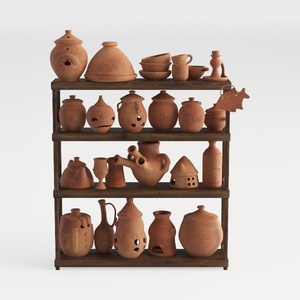
Rustic Terracotta Decorative Pottery Set with Wooden Shelf 3D Model

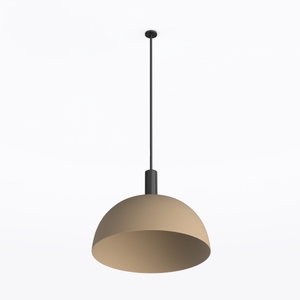
Mid Century Pendant Lighting,18.8 inch,2 Tiers,Raw
Homestyler is your go-to online home design platform! With its user-friendly design tool, stunning 3D renderings, and a wealth of design projects and DIY video tutorials, it empowers you to create your dream space effortlessly. Explore, design, and inspire today!
立即免费设计
































