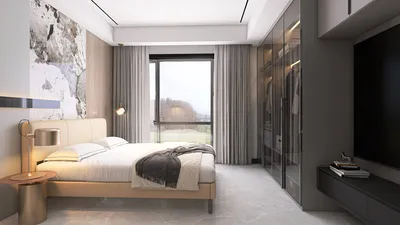


Setting up a massage room within the confines of your home is achievable without the need for a vast area. In fact, the trend of optimizing limited spaces for wellness is on the rise among city dwellers. The JCHS 2024 Report indicates that incorporating small wellness areas, such as massage rooms, can elevate your home's market value by 12% while maximizing available space usage by 30%. Whether you are a budding massage therapist or just looking for your own serene escape, careful planning can convert any corner of your house into a peaceful haven.
Tip 1: Opt for an Effective Layout
Creating an efficient layout is essential when establishing a massage room, particularly in compact homes. The American Institute of Architects (AIA) suggests that open layouts and strategic furniture arrangement can effectively minimize space wastage. Place your massage table as the focal point, ensuring there’s at least 3 feet of space around it for effortless movement. Consider using foldable or modular pieces for added versatility in functionality.
Tip 2: Choose Soothing Color Palettes
The influence of color psychology on relaxation is significant. According to the NAHB’s 2024 trends report, soft earthy tones, subdued greens, and gentle blues have been shown to lessen stress levels. Steer clear of overly vivid colors; instead, focus on warm neutrals or soft pastels to foster a serene and inviting atmosphere in your massage area, even when using tools like Homestyler to visualize the design.
Tip 3: Implement Smart Storage Solutions
To fully utilize every inch, consider vertical storage solutions, built-in shelving, and hidden cabinets. The USGBC’s eco-friendly home design guide highlights the advantages of sustainable materials, such as bamboo or reclaimed wood, for your shelving and furniture needs. Efficient storage options keep the space tidy and significantly enhance the overall tranquility of the room.
Tip 4: Use Lighting and Aromatherapy Effectively
Employing layered lighting—by combining ambient, task, and accent sources—fosters a soothing ambiance. Lisa Wong, a certified LEED AP and wellness design expert, notes that dimmable LED lights and Himalayan salt lamps promote relaxation by mimicking natural light environments. Pair these lighting techniques with essential oil diffusers to please your senses with calming fragrances like lavender or eucalyptus.
FAQs
Conclusion
Designing a massage room in small areas doesn't require compromising comfort or aesthetics. By utilizing efficient layouts, soothing color schemes, eco-friendly materials, and expert recommendations, you can curate a functional and calming home spa experience. Research from the AIA substantiates that well-crafted wellness areas both boost property values and enhance individual well-being. Are you ready to embark on this transformative journey? Consider using tools like Homestyler to help visualize your perfect oasis.
Discover your home's potential with Homestyler! This user-friendly online design platform features an intuitive design tool, stunning 3D renderings, and a wealth of inspiring design projects and DIY video tutorials. Transform your vision into reality with ease and creativity!
Design Now for FREE
































