

Embracing the soothing ambiance of a well-designed beach house is something I’ve always cherished. It’s that serene environment where the gentle salt air, soft natural light, and comfortable textures work together harmoniously. In my approach to crafting coastal interiors, I prioritize elements such as the quality of light, tactile materials, and organized layouts that simplify everyday routines. Engaging in thoughtful DIY decor can significantly enhance this atmosphere without incurring high costs or complexity. One powerful tool for interior design is Homestyler, which makes these transformations even more accessible and visually appealing.
The foundation of my design philosophy starts with natural light. Research by the WELL Building Standard (WELL v2) suggests that having daylight and scenic views can significantly uplift mood and mitigate stress; when complemented by adjustable artificial lighting, spaces can provide better circadian support. Insights from Steelcase indicate that environments optimized for comfort and control lead to elevated satisfaction and overall well-being. These principles are essential in my selection of materials, hues, and lighting temperatures for coastal spaces. For lighting, I typically choose evening fixtures with a range of 2700–3000K for low glare and daytime task lighting set around 3500–4000K, in accordance with IES recommendations to promote comfort in residential spaces. For deeper insights, WELL v2 offers practical guidelines for lighting and comfort, while Steelcase’s findings illustrate how environments affect human performance.
Establishing a Calming Coastal Color Palette
The influence of color on our behavior is profound. According to insights from Verywell Mind about color psychology, cool shades such as blues and greens evoke feelings of calm and stability, making them perfect for a beachfront retreat. My color palette typically centers around shades like sea-glass greens, misty grays, sandy beiges, and soft whites, complemented by warm touches from weathered wood or rattan. It’s essential to maintain consistent undertones—blue-gray walls beautifully complement natural linen and driftwood accents. A strategy I often employ involves painting 60% of surfaces in light neutrals, 30% in mid-tones (for textiles and rugs), and reserving 10% for accent colors like art and cushions. This balance ensures a serene yet layered aesthetic.
Creating DIY Wall Art with Coastal Inspirations
Bring coastal flair to your walls by framing nautical charts, vintage postcards, or hand-drawn shoreline maps on textured backgrounds. For your coastal treasures, consider mounting driftwood on linen boards or crafting shadow boxes filled with preserved shells and sea glass. Remember to give your artworks enough breathing room; negative space is fundamental for visual balance. A common arrangement I favor is to include a trio: one large framed chart, a medium-sized piece showcasing organic texture, and a smaller sculptural element—creating a rhythm without overcrowding.
Textiles: Light and Durable Fabrics
Beach homes require textiles that can withstand wear and tear. I recommend using machine-washable cotton, linen blends, and performance upholstery with removable slipcovers for practicality. Layer a sheer fabric beneath a linen curtain to maintain light while minimizing glare. For durability, opt for medium-density cushions covered with stain-resistant fabrics. A flat-woven jute or sisal rug serves as a foundation, drying quickly after humid spells, while a smaller cotton rug brings added comfort underfoot.
Lighting: Cozy Evenings and Bright Days
Integrating ambient, task, and accent lighting is key. Ambient lighting should range between 150–300 lux in living areas for a relaxed atmosphere, while task lamps should provide 300–500 lux for reading. To manage glare, consider using diffusers and matte finishes. I ensure the color temperature is distinct between day and night: a crisp warmth of 3500–4000K is ideal during active hours, shifting to a softer glow of 2700–3000K as the sun sets to signal relaxation time. Utilizing dimmers and two distinct lighting scenes—Day and Night—facilitates these transitions effortlessly.
Inviting Flow with Open, Breezy Layouts
The essence of beach living thrives on intuitive circulation. Position seating away from walls, create a conversational arc that faces scenic views, and ensure clear pathways of 30–36 inches. Using a central rug large enough for the front legs of the seating helps unify the space without making it feel heavy. For experimenting with layouts, using a room layout tool like Homestyler can significantly assist in visualizing pathways and optimizing view-oriented seating arrangements.
Revitalizing Furniture with DIY Touches
Breathe new life into worn pieces by sanding and lime-washing surfaces to reveal their natural grain; swap out bulky knobs for stylish rope pulls; and wrap table legs with natural fibers. For side tables, consider painting them a matte, sun-faded blue and subtly distressing the edges. A simple plywood top for coffee tables finished with reclaimed wood provides a coastal touch while remaining practical—just remember to seal it with a water-based satin polyurethane to guard against humidity.
Natural Materials: Authentic and Long-lasting
Focus on materials that gracefully age over time—options like oak, ash, rattan, cane, and cotton canvas. Opt for matte or low-sheen finishes to reduce glare in sunlit rooms. When I design for durability, I choose components that are repairable and upholstery that can be reversed. Sustainability isn't just about brands; it’s about everyday choices, such as refinishing instead of replacing and choosing materials with clear sourcing.
Creating Practical Entry Moments for Sandy Days
The entryway should facilitate practical routines. Incorporating a boot tray, a bench with a washable cushion, hooks for hats and towels, and a woven basket for sandals is effective. A coarse-fiber doormat on the outside and a soft runner on the inside collects dirt before it spreads further into the house. Install a small wall shelf for sunscreen and keys—aim for a light, airy setup that feels beachy rather than bulky.
Simplifying Kitchen Prep with Breezy Touches
Updating cabinet hardware to brushed nickel or unlacquered brass allows for a charming patina. Open shelves keep the kitchen feeling spacious—style them with white stoneware, seagrass baskets, and clear glass canisters. When painting cabinets, opt for light neutrals and hold back a single accent color for the island. Ensure task lighting remains at 4000K for clear visibility during food prep, adding under-cabinet LEDs for a shadow-free workspace.
Crafting a Sleep Sanctuary: Tranquil and Dark When Needed
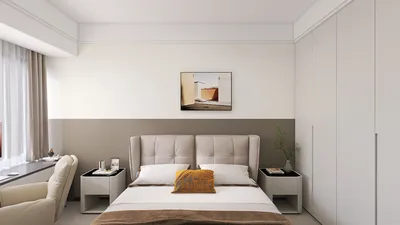
Bedrooms thrive on breathable bedding, including percale sheets, linen duvets, and cotton throws. Blackout liners behind relaxed curtains enable deep, restorative sleep while maintaining texture. Sound quality is key: incorporating a soft rug and an upholstered headboard absorbs sound. Opt for bedside lamps with dimmable settings and warm tones; task sconces should be designed to shield the light and reduce glare during reading time.
Designing Outdoor Areas with Coastal Resilience
For outdoor furniture, materials like powder-coated aluminum, teak, or HDPE are ideal. Create a simple slatted bench finished with marine-grade varnish. You can also craft lanterns from mason jars with rope handles and LED candles. When wind is a constant factor, consider using weighted bases and clip-on corners for tablecloths. Select outdoor fabrics that resist UV rays and utilize quick-dry foam to cope with the coastal climate.
Intentional Decluttering: Keeping What Matters
Coastal decor is most effective when it feels curated. Evaluate your decor pieces, group them by material and tone, and celebrate open spaces. Store additional blankets and board games in lidded baskets to make tidying up effortless after a day by the water.
Opting for Hardy, Low-Maintenance Plants
Incorporate resilient plants that thrive in coastal settings: snake plants, pothos, and olive-inspired shrubs perform well in bright spots. Use terracotta or cement pots to introduce texture. Ensure foliage is shielded from direct salt exposure; indoors, cluster plants near windows for that lived-in beachhouse feel.
Prioritizing Acoustic Comfort for Relaxation
Sound can travel easily in bright, minimally furnished spaces. Implement soft surfaces—think rugs, fabric shades, upholstered seating, and decorative wall hangings. For echo-prone areas, a bookcase filled with items of varying heights can act as an effective sound diffuser. In open-plan designs, a fabric screen between the living and dining areas can soften sounds while preserving breezy appeal.
Styling Seasonally: Rotating Light Textiles
Maintain a versatile collection of seasonal textiles—swap heavier throws with lighter, gauzy blankets and rotate cushion covers to align with summer shades. This kind of seasonal updating keeps your beach house feeling fresh without the need for constant shopping.
Frequently Asked Questions
Begin with warm neutrals—beige, oat, and linen—layering cool tones like sea-glass green or sky blue. Achieve a balanced atmosphere using textures; rattan, oak, and woven cotton introduce warmth against cooler walls.
Use 3500–4000K for clarity during the day and transition to 2700–3000K in the evening to create a relaxing environment. Aim for ambient lighting around 150–300 lux in living areas and 300–500 lux for reading spaces.
Frame coastal-inspired pieces such as nautical charts, monochrome shoreline sketches, or abstract washes in shades that evoke the beach. Use linen mats and slim wooden frames while keeping compositions spacious to avoid feeling cluttered.
Select durable materials like teak, powder-coated aluminum, HDPE, or rattan with quality weaves. Indoors, opt for matte finishes and breathable textiles such as cotton and linen to prevent discomfort on warm days.
Arrange seating to float away from walls, maintain clear pathways of 30–36 inches, and use a rug spacious enough for front seating legs. Experiment with configurations using a room design tool to visualize flow around windows and doors.
Consider sanding and lime-washing wooden surfaces, replacing hardware with rope or aged brass, wrapping table legs in natural cord, and using slipcovers to create harmony among mismatched furnishings.
Layer sheer curtains paired with linen ones, choose matte finishes, position lamps with diffusers, and avoid gloss on expansive surfaces. Utilize warm accent lighting at night to soften reflections.
Look for machine-washable cotton and linen blends, performance upholstery featuring removable covers, and flat-woven jute or sisal rugs paired with softer cotton rugs for comfort and rapid drying.
Pick resilient plants like snake plants and pothos, grouping them near windows for ample light while employing textured terracotta pots. Protect them from direct salt exposure for best results.
Combine elements such as a coarse outdoor mat, an indoor runner, a boot tray, a bench, hooks, and baskets. Strive for an open, airy layout to ensure functionality without overwhelming the space.
Looking to transform your space? Homestyler offers an intuitive online design tool that lets you create stunning interiors effortlessly. With amazing 3D rendering, a wealth of design projects, and helpful DIY video tutorials, it’s the perfect platform for turning your home design dreams into reality!
Desain sekarang Gratis
































