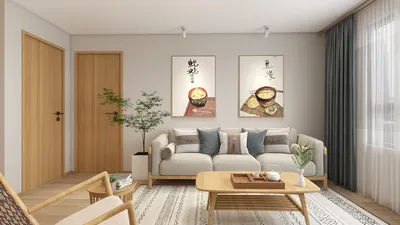


I am fond of the combination of gray and coral because this duo brings a sense of serenity paired with a hint of cheerfulness. Gray provides a solid and elegant foundation, while coral infuses warmth and an inviting ambiance that shines from dawn to dusk. When balanced effectively, this color scheme fosters tranquility, routine, and individuality without falling prey to the pitfalls of fleeting trends.
Research in color psychology indicates that warm tones can enhance feelings of comfort and social interaction. As noted by Verywell Mind, warmer shades promote energy and amicability, whereas cooler neutrals tend to create equilibrium. This balance is particularly crucial in bedrooms: insights from Steelcase link visual harmony to improved cognitive functioning at home, supporting mental unwinding. For optimal lighting, IES guidelines recommend softer ambient lighting in bedrooms along with layered task lighting to minimize glare and encourage relaxation, which harmonizes wonderfully with coral's warm tones. Refer to color psychology for deeper understanding.
Visual comfort goes beyond aesthetics; WELL v2 highlights the importance of circadian lighting and sound control for enhancing sleep quality. Setting warmer light (2700–3000K) in the evening and cooler light (3500–4000K) for morning routines helps maintain consistency, while soft furnishings like rugs and upholstered headboards contribute to a more serene sound environment. Research by Herman Miller underscores the importance of visual and acoustic comfort for overall wellbeing, which is essential when selecting fabrics and lighting schemes in a bedroom.
Establishing the Color Scheme: Gray as the Base, Coral as the Highlight
I begin with a textured gray backdrop—using soft greige or pearl gray for walls (LRV 60–70 to create an airy vibe), incorporating bed linens with charcoal accents, and soft gray curtains to filter daylight. Coral accents can be introduced through pillows, throws, an upholstered bench, or artistic pieces. Adhering to the 70/20/10 principle is helpful: about 70% gray, 20% coral highlights, and 10% metallics or wood elements for added depth, ensuring the coral remains striking yet never overpowering.
Selecting Materials and Finishes
To create visual interest, mix matte and textured materials to prevent a flat look. A brushed oak flooring contributes warmth; a coral velvet cushion subtly reflects light without excessive shine. Pair a low-sheen gray wall with a linen headboard in stone colors, then accentuate with a coral wool throw. Choose sustainable options: look for FSC-certified wood, low-VOC paints, and OEKO-TEX certified fabrics to reduce emissions aligning with WELL v2 principles regarding material health.
Lighting: Managing Color Temperature and Glare
Bedrooms benefit greatly from layered lighting designs. Aim for a warm ambient base (2700–3000K) that is dimmable, accented with wall sconces or shaded lamps to manage glare, adhering to IES guidelines. Incorporate a focused task light (3000–3500K) for reading, positioned at eye level behind a shade that hides direct lines of sight to the bulb. Coral accents glimmer beautifully under warm illumination while gray walls provide a calming backdrop. For night-time, establish a scene around 5–10 lux to facilitate safe movement without disrupting melatonin production.
Designing a Comfort-Centric Layout
Place the bed strategically to allow for lateral movement and a clear visual focus. I prefer a centered bed against a wall with nightstands symmetrically positioned to minimize visual clutter. Ensure at least 24–30 inches of space on each side for usability, with a 36-inch pathway from the door to the foot of the bed to prevent congestion. If you’re considering designs or experimenting with spatial flow, utilizing a layout tool such as Homestyler can help visualize sightlines, furniture dimensions, and rug placements before making final decisions.
Textiles: Creating Layers for Acoustic and Thermal Comfort
Textiles play a crucial role in making gray and coral spaces feel warm and acoustically tranquil. Incorporate a medium-pile rug to dampen footsteps, lined draperies to absorb street sounds, and a quilted bed cover for thermal management. Position coral textiles closer to pillows and throws while allowing gray to dominate larger surfaces (like duvets and curtains) for lasting impact.
Art and Wall Treatments
Statement walls don't need to overwhelm. A textured gray wall treatment behind the bed adds dimension, while coral can emerge through framed abstract art or a large print featuring coral tones. Ensure negative space surrounds the artwork—at least 6–8 inches from frame edges to surrounding furniture—to maintain a spacious visual quality.
Furniture Selection and Scale
Opt for furniture with gentle curves and balanced proportions. A low-profile upholstered bed in stone gray exudes a relaxed aesthetic; nightstands in matte walnut add warmth without directly mirroring coral. If introducing coral into furniture, limit it to one standout piece—like an accent chair or ottoman—to keep the focus cohesive. Ensure nightstand heights are within 2 inches of the mattress for convenient access.
Window Treatments and Natural Light
Natural light is the finest color enhancer. Use sheer gray curtains paired with blackout liners to control light levels. Warm natural light elevates coral's inviting nature; cooler northern light keeps gray looking sharp. Double curtain rods can be utilized to layer sheers and blackouts, allowing you to adjust brightness for reading or winding down.
Patterns and Cohesive Rhythm
Patterns should be introduced in moderation: a coral herringbone throw, charcoal pinstripe cushions, or a subtle geometric wallpaper can create interest. Maintain rhythm by consistently repeating design elements—coral should appear at least three times (in pillows, throws, and artwork), while gray appears across larger areas—creating a predictable visual rhythm.
Clutter Management and Storage Solutions
A cluttered environment rapidly diminishes the impact of your color scheme. Aim for concealed storage solutions—such as under-bed drawers, upholstered benches, and closed wardrobes. The tidier your surfaces, the more impactful your coral accents will appear. Ensure daily essentials are within 20–24 inches of reach for efficient use and to minimize visual distraction.
Strategies for Small Rooms
In smaller bedrooms, it's imperative to keep the palette light: choose pale gray on the walls and use coral exclusively in textiles and art; position mirrors opposite windows to reflect natural light. Opt for a slim bed frame and wall-mounted lamps to maximize floor space. Select a rug that extends at least 18–24 inches beyond the bed to create an illusion of larger floor area.
Versions for Kids and Guests
For children’s rooms, consider using coral in a fresher salmon hue, accompanied by playful patterns that can easily adapt with changing preferences. In guest rooms, keep coral subtler—perhaps just a couple of pillows and a throw—to maintain a neutral and universally appealing environment.
Adapting with the Seasons
Switch up tones with the seasons: deeper charcoal and thicker throws during winter; lighter gray linen and a breezy coral cotton blanket in warmer months. Rotate decorative items and adjust dimming options to align with varying daylight hours for improved circadian comfort.
Affordable Coral Accents
You can create substantial impact with small changes: consider cushion covers, bed runners, picture frames, and lampshades. A single coral lampshade can cast a pleasing light ambiance without requiring a complete wall repaint.
Maintaining Longevity and Upkeep
Opt for removable and washable textiles for coral items. Choose washable matte gray paint for seamless touch-ups. Stick with timeless designs for large furniture pieces and refresh smaller accents as your tastes evolve.
Frequently Asked Questions
Warm grays (greige) blend beautifully with coral's warmth, while neutral medium grays keep the overall look sharp. It's best to avoid cool blue-grays unless the coral leans towards salmon and your lighting is warm.
Apply the 70/20/10 balance: use about 20% coral across textiles and artwork. If coral dominates expansive surfaces, it may feel overstimulating for restful environments.
2700–3000K warm lighting accentuates coral beautifully and aligns with circadian light recommendations found in WELL v2. For reading, opt for a 3000–3500K task lamp that maintains clarity without harshness.
Indeed—lighten gray tones on the walls, limit coral to smaller accents, and employ mirrors to enhance natural light. Wall-mounted lighting fixtures free up valuable floor space.
Medium-pile rugs, lined drapes, upholstered headboards, and quilted bedding help absorb sound and decrease echo, thus contributing to a calming atmosphere.
Begin with timeless gray foundations and introduce coral through easily reversible accents. Choose furniture with simple designs and emphasize texture over busy patterns.
Absolutely. Coral pairs beautifully with charcoal, walnut, and matte black hardware. Use tailored textiles and minimal patterns for a sophisticated touch.
Brushed brass or warm nickel introduces a gentle glow, while matte black grounds the color scheme. Aim to use metals sparingly to prevent harsh reflections.
Ensure to allow for at least 24–30 inches on either side of the bed and a 36-inch clear pathway from the door to the foot of the bed. If needed, an interior layout planner like Homestyler can help simulate circulation and scale.
Pick a warm gray with slight beige undertones to counteract cooler natural light; vibrant coral accents will keep the room from appearing flat.
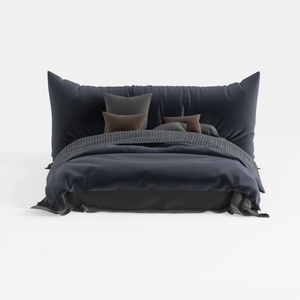

LSIGHTUS Grey Light Luxury Full Size Bed Frame, Qu

Meridian Furniture JardinCream-F Jardin Collection

VELOCAVA California King Size Lift-Up Storage Bed
Homestyler is an outstanding online home design platform ideal for anyone looking to transform their space. Featuring an easy-to-use design tool, stunning 3D renderings, diverse design projects, and helpful video tutorials, it empowers you to unleash your creativity and visualize your dream home effortlessly.
Progetta ora GRATIS
































