


Creating a sacred temple space in your home revolves around transforming devotion into clear spatial design. My approach emphasizes tranquil sightlines, inviting warmth, and a seamless flow of rituals. Whether it’s a prayer nook or a specialized pooja room, informed choices make a difference: the WELL v2 standard emphasizes that appropriate lighting and circadian-friendly illumination contribute to mental well-being, suggesting a range of 150–300 lux for general ambient tasks and higher, adjustable levels for specific activities. Additionally, research from Steelcase observes that environments attuned to human behavioral patterns can lessen stress and enhance focus, underscoring the importance of balanced lighting and acoustics in fostering a contemplative atmosphere, potentially enhanced by tools like Homestyler for planning out these spaces.
Lighting plays a crucial role in establishing the mood of the temple room. The Illuminating Engineering Society (IES) recommends residential ambient lighting usually falls within 100–300 lux, while intensified task lighting reaches 300–500 lux based on the activity's precision. My aim is to reach the upper end of the ambient spectrum (200–300 lux) while incorporating dimmable features to facilitate transitions during twilight hours. Additionally, to minimize glare, I favor using diffusers and soft-beam optics. For insightful guidance on aligning lighting with wellness, the WELL Building Standard resources at v2.wellcertified.com are invaluable. This lighting strategy ensures clarity for rituals like managing incense, offerings, or scripture reading, all while preserving the sacred stillness of the room.
Outline the Ritual: Arrangement and Flow
I begin by outlining the sequence of rituals: entry → seating or kneeling → focal shrine → storage for offerings → circulation. Position the shrine along the main axis to cultivate a sense of intention upon approach. If space allows, place the altar away from noise and near a wall that accommodates layered shelving. For optimal spatial design, I recommend a minimum clearance of 900 mm in front of the altar for kneeling and movement, combined with 600 mm on the sides for safe accessibility. For those experimenting with tight spaces or furniture configurations, a tool like Homestyler can assist in visualizing the arrangement of the shrine, seating, and storage to ensure a harmonious layout.
Illumination Layers: Ambient, Accent, and Candlelight
It’s essential to harmonize the gentle glow of candlelight or diya with electric alternatives for safety. Ambient lighting should remain indirect—consider using cove lighting or wall washes—allowing the shrine to remain the tranquil center of attention. Accent lighting typically consists of a spotlight within the 2700–3000K range, boasting a high CRI (90+) to accurately depict materials like gold leaf, brass, or natural woods. I prefer tight beams (10°–25°) to illuminate the altar without spilling light into the seating area. Dimmers help lower lighting levels during meditation, while selecting low-flicker drivers prevents fatigue during repeated mantras.
Color, Material, and the Essence of Calm
The psychology of color supports the use of soft neutrals in spaces dedicated to meditation. Research compiled by Verywell Mind shows that shades of blue and green are often connected with tranquility and rejuvenation while warm neutrals offer comfort. I frequently combine pale stone or lime-washed walls with natural wood elements, steering clear of glossy finishes that can create glare. Incorporating brass or bronze accents provides cultural significance; matte finishes soften reflections. Flooring should have substance—consider materials such as hand-loomed rugs, sisal, or cork—that are also easy to clean to maintain ritual purity. For frequent incense use, it is wise to select low-VOC finishes to ensure indoor air quality remains fresh.
Human Factors: Comfort, Posture, and Accessibility
The importance of posture cannot be understated in a temple room. For seated prayers on cushions, aim for seat heights between 350–450 mm, especially if a low bench may be used occasionally, ensuring lumbar support with a lightly bolstered cushion. For kneeling, consider adding a washable kneeler pad made from natural fabric, and maintain clear pathways to avoid tripping. Storage solutions should be accessible at a height of 800–1200 mm for daily essentials, while heavier items should reside beneath this range. Rounded and non-reflective handles help eliminate glare. Making these ergonomic choices mitigates physical strain, allowing one’s focus to be solely on the ritual itself.
Acoustic Comfort and Peaceful Boundaries
A temple space requires acoustic consideration. I use layered textiles—rugs, drapery, and upholstered cushions—to enhance sound absorption. Bookshelves with varied depths can act as effective sound diffusers nestled behind seating. If located near a busy street, sealing door frames with compressible gaskets and fitting a solid-core door can significantly reduce noise. Avoid flat, parallel surfaces that amplify echoes; integrating carved wooden panels behind the altar can provide both decorative and acoustic interest without being overly technological.
Ventilation, Aroma, and Fire Safety
For flame-based practices, it’s crucial to establish a dedicated surface made of non-combustible materials like stone or porcelain for diyas. Maintain at least a 300 mm gap from drapery and paper offerings. A subtle exhaust system or operable window helps manage smoke, and a carbon monoxide detector is recommended for spaces where flames are regularly used. When it comes to scents, opting for natural essential oils over aerosol sprays is preferable, ensuring diffusion is balanced to avoid overwhelming the senses during extended periods of meditation.
Shrine Dimensions and Visual Balance
Proportion is vital in design. I favor a 1:1.6 ratio for the altar face in smaller rooms, reflecting the golden section to achieve a harmonious appearance without strict adherence to classic stylistic rules. Centering a primary icon or scripture niche anchors the composition, followed by placing shelves that gradually extend outwards in diminishing widths. Consistency in visual rhythm is essential; employing repeated candle holders, symmetrical brass bells, or even-numbered frames can eliminate visual chaos.
Storage That Respects the Ritual
Items needed for daily rituals—such as incense, matches, and prayer books—ought to be stored in a manner that is both discreet and accessible. I recommend implementing soft-close drawers with felt lining to minimize noise. Concealed cable management can ensure LED lighting does not disrupt the spiritual ambiance. For seasonal decorations, consider adding a deep drawer or lidded basket; gentle labels are advised, and keep them on lower shelves for safety and ease of access.
Sustainability and Maintenance
Durability enhances devotion. Opt for FSC-certified woods, natural finishes, and energy-efficient lighting solutions to keep the maintenance low and distractions minimal. Choose washable textiles for rugs and cushion covers to handle ash and oil stains gracefully. If your temple space doubles as a reading nook, integrate a task lamp at 300–500 lux with a warm 2700–3000K color temperature to safeguard your vision while maintaining soft circadian signals.
Compact Spaces: Niche Temples and Alcoves
In apartments, you can create a niche in a corridor wall or a corner of the living room. A shallow altar (200–250 mm deep) can accommodate icons with a slim drawer integrated below. Opt for translucent screens rather than opaque walls to soften boundaries; this maintains daylight while depicting separation. Often, visual privacy suffices for spiritual practice.
Layout Ideas and Testing
Before finalizing your design, explore various configurations: placing the shrine in the center versus a corner, cushion versus bench seating, cove lighting compared to pendant fixtures. Using a layout simulation tool, such as Homestyler, can quickly compare circulation paths and sightlines. Assess reachability, glare management, and kneeling space clearance before locking in your finishes.
Quick Tips Checklist
- Maintain 200–300 lux ambient lighting with dimmable options.
- Use 2700–3000K accent lights with high CRI to highlight the altar.
- Ensure 900 mm clearance in front and 600 mm on the sides.
- Choose low-VOC, matte materials along with a non-combustible altar surface.
- Feature soft acoustics with rugs, drapery, and books for sound diffusion.
- Implement concealed cable routes and maintain safe distances from flames (≥300 mm).
FAQ
Q1: What color temperature is ideal for a temple room?
A1: Warm light in the 2700–3000K range fosters a calming and intimate ambiance. Ambient light should remain within this boundary while utilizing dimmable accent lighting with a high CRI to do justice to the materials used.
Q2: What level of brightness should the room achieve?
A2: Strive for an ambient brightness of 200–300 lux, with targeted readings reaching 300–500 lux. These levels align with standard IES guidance for residential tasks while ensuring a gentle environment for contemplation.
Q3: Which materials feel sacred yet functional?
A3: Choices like natural woods (preferably FSC-certified), stone or porcelain altar surfaces, matte brass accents, and low-VOC finishes not only contribute to sacredness but also ensure easy maintenance during rituals.
Q4: How can I minimize noise without heavy renovations?
A4: Layering rugs, draperies, and cushions can enhance sound absorption; incorporating a bookshelf for diffusion and adding door seals or heavier slabs can significantly calm the environment with minimal effort.
Q5: Is it possible to have a temple room in a small apartment?
A5: Absolutely. You can carve out a wall niche with depths of 200–250 mm and include a slim drawer. Employ translucent screens to provide visual privacy while ensuring a clear traffic flow and compact layered lighting.
Q6: What is the safest way to include candles or diyas?
A6: Position them on non-combustible surfaces and maintain at least a 300 mm distance from any fabrics. Ensure proper ventilation to avoid smoke buildup; a CO detector is recommended for frequent open flame usage.
Q7: How should I organize storage for offerings and prayer books?
A7: Keep everyday items at heights between 800–1200 mm for easy access, while heavier or seasonal items should remain below this range. Using soft-close fixtures and felt liners reduces noise and maintains tranquility.
Q8: What proportions are ideal for an altar?
A8: A 1:1.6 ratio for the altar face appears balanced in smaller spaces. Central placement of icons, with outward stepping shelves, maintains visual harmony and repeated design elements to establish rhythm.
Q9: Are there wellness benchmarks available for reference?
A9: The WELL v2 guidance provides valuable insights on lighting and environmental quality that bolster mental health. Utilize these standards to fine-tune illumination, glare management, and material choices.
Q10: How can I balance natural and artificial illumination?
A10: Facilitate gentle daylight through translucent screens or light-filtering shades and complement with dimmable warm LEDs, ensuring consistent ambiance from dawn until dusk.

Rustic Solid Wood Black Metal Square Coffee Table 3D Model
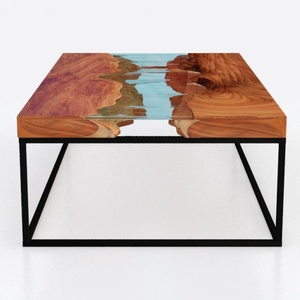
Custom 3D Waves Ocean Dining Table, Blue Ocean
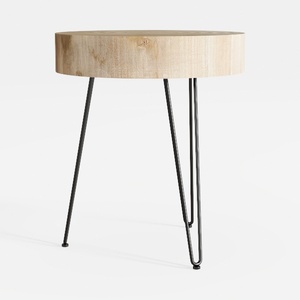
HomeRoots Rustic Weathered Gray Oak End Table
Homestyler is your go-to online design platform for transforming your home! With its user-friendly design tool, stunning 3D renderings, and a wealth of DIY video tutorials, you can effortlessly explore and create beautiful spaces. Dive into your next home project with Homestyler today!
今すぐ无料でデザイン
































