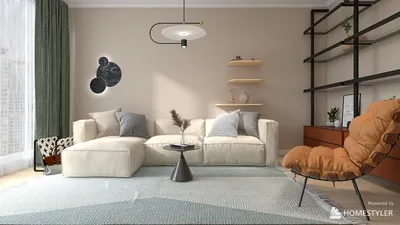


I have always found royal color schemes to bring a serene touch of elegance to a living room without creating a rigid atmosphere. Consider deep blues, luxurious purples, gleaming golds, and lush greens—these shades convey a sense of legacy while harmonizing beautifully with contemporary furniture and casual seating arrangements. Utilizing a design tool like Homestyler can enhance the experience of visualizing these palettes in your space.
Colors have significant psychological and behavioral influences. According to Verywell Mind, blue is often connected with tranquility and reliability, while purple symbolizes creativity and luxury—qualities that are essential for a living room dedicated to dialogue and contemplation. Research from Steelcase underscores that spatial comfort is crucial for perceived wellness, meaning that selecting colors that foster calm concentration (like navy and forest green) alongside warmer tones (such as plum and ochre) can create an environment that feels both restorative and inviting. The Illuminating Engineering Society (IES) suggests achieving a balanced ambient light in living areas, recommending mid-warm LED bulbs of 3000–3500K paired with accent lighting to enhance the vibrant royal colors while reducing glare. For more details, visit ies.org/standards.
When a living room serves as a social gathering space, the layout is just as important as the color scheme. A room layout tool can assist in visualizing how a bold navy accent wall complements seating arrangements and movement paths—particularly useful when experimenting with vivid shades across focal points. Personally, I usually position the darkest color behind the primary seating or media wall, balancing it with lighter elements nearby to maintain a sense of visual depth without making the space feel cramped.
Selecting a Regal Color Scheme Without Overwhelming the Space
Royal colors possess a unique presence. To ensure refinement, aim for a 60/30/10 ratio in your palette: 60% neutrals (like cream, stone, or light gray), 30% main color (navy, emerald, or amethyst), and 10% metallic or accent shades (such as antique gold or brass, or a rich secondary hue like oxblood). This approach keeps the overall design cohesive and prevents visual strain. I often distribute the main color across an accent wall and two textile features—like curtains or an area rug—to create an intentional and layered appearance.
Navy and Sapphire: Stability, Elegance, and Calmness
Rich blues can feel regal yet are easy to incorporate. A sapphire wall behind the sofa adds gravitas, while a charcoal-blue accent on cabinetry frames art and shelving seamlessly. Pair these colors with warm wood elements and soft-white ceilings to avoid the room feeling cold. In spaces with limited daylight, you can elevate light reflection with eggshell or satin finishes for trim and introduce warm-colored lamps around 3000K to ensure flattering skin tones against the blue backdrop.
Emerald and Forest Green: Restorative Elegance
Green symbolizes balance and the great outdoors. An emerald lacquer on built-in cabinets can create a jewel-like aesthetic; meanwhile, forest green wainscoting can add depth along the edges without darkening the overall atmosphere. I often combine these greens with linen cream tones and aged brass fixtures to create warmth in the palette. For rooms that receive strong afternoon sunlight, green maintains its saturation well—low-sheen finishes can minimize reflective highlights while ensuring the color scheme remains readable.
Amethyst, Plum, and Aubergine: Bold and Elegant
Purple invites confidence. For living rooms, I recommend using a muted amethyst for the walls complemented by a deeper plum for textiles. This pairing works wonderfully with smoked oak, copper accents, and cream upholstery. Keep the ceiling light-colored; a heavy ceiling over dark walls can diminish the feeling of height. If the overall color scheme starts to feel dramatic, consider introducing a matte charcoal instead of a stark black to soften the contrast.
Gold, Ochre, and Brass: The Perfect Touch of Glamour
Pure gold finishes can seem overly extravagant if used excessively. I prefer ochre or muted mustard for wall colors while keeping metallics for trim, lighting, and smaller furniture details. Brushed brass picture lights or a fluted side table add a touch of royalty without overwhelming the space with shine. Glossier finishes should be used wisely—reserve high gloss for small elements and go for satin or eggshell on larger surfaces.
Managing Light, Finish, and Glare
Royal shades shine best when illumination is aligned with the palette. Strive for layered lighting: incorporate ambient (dimmable ceiling or cove lights), task (reading lights near seating), and accent (picture lights, wall uplighters). Consistency in color temperature is key—3000–3500K will complement warm skin tones and rich colors. To mitigate glare on dark surfaces, use matte or eggshell finishes on larger areas, and orient light fixtures to graze the walls at an angle instead of shining directly on them. The WELL Building Standard emphasizes visual comfort for occupants' wellbeing; integrating dimmers and glare control alongside varied brightness levels enhances the pleasure of the room, especially in the evenings. For further information, visit wellcertified.com.
Textiles, Materials, and Tactile Variety
Regal color schemes rely heavily on texture. Incorporating velvet in rich hues, soft mohair throws, bouclé cushions, and substantial drapery enriches the saturated walls. Balance these with matte natural materials—such as oiled oak, honed marble, and unlacquered brass—that develop a beautiful patina over time. If the room risks becoming too heavy, consider introducing airy linen sheers and a light wool rug to elevate the visual base.
Ergonomics and Human Factors in a Gracefully Comfortable Living Room
Royal colors imply formality, but seating must also prioritize ease and social dynamics. Maintain conversation distances around 6–8 feet, with coffee tables positioned 18 inches away. Avoid placing a dark wall directly opposite a reflective television, as reflections can enhance visual fatigue. It’s important to curate seating heights within a 16–18 inch range to facilitate easy transitions between sitting and standing while ensuring 36-inch pathways are clear for traffic around larger furniture pieces.
Small Spaces vs. Large Rooms: The Importance of Scale and Proportion
In smaller areas, limit darker saturation to one wall or half-height paneling and opt for lighter shades on ceilings and adjacent walls to help maintain an open feel. In expansive rooms, wrapping the space in muted navy or deep olive can create an inviting cocooning effect—adding coffered ceilings or painted beams can provide rhythm without overwhelming the space. When experimenting with layouts, a room planner like Homestyler can help you visualize color interactions with your sightlines.
Ceiling, Trim, and Millwork Recommendations
Generally speaking, ceilings should be one to two shades lighter than the walls. For trimming, a soft off-white tinted with the wall color (like a blue-gray for navy or cream-green for olive) fosters a sense of cohesion. Millwork that is slightly darker than the walls creates a luxurious envelope—imagine forest green walls with deeper built-ins that frame artwork beautifully.
Layering Details: Artwork, Mirrors, and Metallic Accents
Art pieces stand out against powerful backgrounds. Select artwork that incorporates elements of the wall colors to unify the overall palette. Mirrors are beneficial, but be cautious of large mirror planes directly opposing dark walls, as they can amplify the darkness. If you want some sparkle, choose aged metallics over shiny mirrors; they create a warm and timeless feel alongside royal colors.
2024–2025 Trends: A Fusion of Heritage and Contemporary Comfort
Today’s interiors embrace rich colors with relaxed silhouettes—think curved sofas, deep seating, and minimal accessories. Earthy jewel tones—such as sapphire blended with clay, emerald with sandy notes, and plum paired with taupe—offer a modern touch that is less formal than traditional royal-and-white designs. Sustainable materials, durable textiles, and low-VOC paint options make this aesthetic practical for daily living.
- Navy walls, cream ceiling, oak floors, brass picture lights, ivory sofa, indigo velvet chair.
- Forest green wainscoting, linen walls above, travertine coffee table, camel leather armchair, bronze accents.
- Amethyst walls, pale gray trim, smoked oak media unit, plum velvet curtains, antique gold side table.
- Ochre walls, whitewashed ceiling, jute rug, olive velvet cushions, unlacquered brass lamp.
FAQ
Q1: Which royal color is the most adaptable for a living room?
A1: Navy is the most accommodating—it’s stable, elegant, and pairs well with warm woods, cream textiles, and brass accents. It also performs well under different lighting conditions.
Q2: Will dark royal colors make my living room seem smaller?
A2: They can create that effect if applied uniformly in compact areas. Maintain a 60/30/10 color balance, keep ceilings lighter, and incorporate reflective textiles along with varied lighting to retain a sense of spaciousness.
Q3: What color temperature works best with deep royal shades?
A3: Warm-neutral LEDs between 3000–3500K enhance richness while ensuring skin tones are flattering. Combine ambient, task, and accent lighting, and control glare with low-sheen finishes on the walls.
Q4: How can I incorporate gold tastefully?
A4: Reserve shiny metallics for lighting, hardware, and small tables, while applying ochre or muted mustard on larger surfaces to bring warmth without overwhelming reflectivity.
Q5: Are purple tones difficult to manage?
A5: Not if the saturation is moderated. Using amethyst walls paired with plum textiles and warm neutrals feels sophisticated. Maintaining light ceilings and introducing matte charcoal can balance contrast effectively.
Q6: What layout strategies support a royal color scheme?
A6: Anchor the darkest hue behind the main seating or media area, keep circulation paths to 36 inches, and ensure conversation spaces are maintained at 6–8 feet. Experiment with arrangements using a layout simulation tool to evaluate sightlines.
Q7: Which materials work well with royal color palettes?
A7: Consider textures such as velvet, mohair, bouclé, as well as natural materials like oiled oak, honed stone, and unlacquered brass. Balance heavy textiles with airy linen sheers and a light wool rug to evade a cramped atmosphere.
Q8: How can I keep my living room from appearing too formal?
A8: Opt for relaxed, curved seating, incorporate natural textures, and introduce playful patterns. Merging jewel tones with earthy neutrals—like navy with clay and emerald with sand—can soften the overall appearance.
Q9: What finish is best for dark walls?
A9: Eggshell or matte finishes on larger surfaces help reduce glare and mask imperfections effectively. Save gloss for small accents or doors that you want to highlight favorably.
Q10: Can royal colors work within a minimalist framework?
A10: Definitely. Limit your palette to one saturated shade, maintain clean lines, and use restrained metallics. The richness of color can serve as a focal point rather than elaboration.
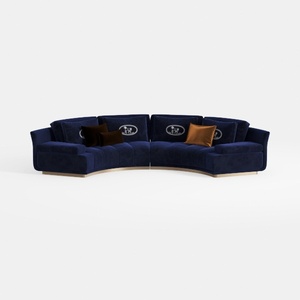
Modern Navy Velvet Curved Sectional Sofa With Decorative Pillows 3D Model
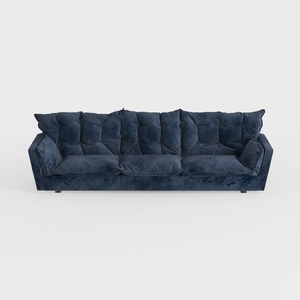

Navy Velvet Tufted Extra Large Modern Sofa 3D Model

Sunset Trading Contemporary Puff Collection 3PC
Looking to transform your home? Homestyler is your go-to online design platform. With its user-friendly design tool, stunning 3D renderings, and inspiring DIY video tutorials, you can effortlessly create and visualize your dream space. Unleash your creativity today!
تصميم الآن مجانا
































