

Building a 3D representation of a cat can be a thrilling endeavor, appealing to both budding 3D artists and those engaged in interior design visualization. This process encompasses several essential stages: gathering reference images, selecting appropriate software, modeling, texturing, and rendering. Begin by collecting various reference photos of cats from multiple angles to gain insights into their anatomy and fur textures. Next, choose a 3D modeling program that suits your expertise, with options ranging from beginner-friendly tools like Tinkercad to more advanced software such as Blender, 3ds Max, or Maya, or even Homestyler for those focusing on interior visualization.
Initiate the modeling process using fundamental shapes: start forming the cat's body with spheres and cylinders, progressively refining these into a more anatomically accurate representation. Pay close attention to the dimensions of the legs, tail, ears, and facial characteristics. Sculpting tools can help you incorporate gentle curves and muscle definitions. When you are pleased with the base model, proceed to texturizing—adding details for the fur, eyes, and nose either through painting techniques or real-life photo references to enhance realism. UV unwrapping and material application personalize your cat model. Lastly, if you desire to visualize your creation in a specific context—such as for an interior design project—you can utilize rendering features to integrate your 3D cat into a virtual room setting.
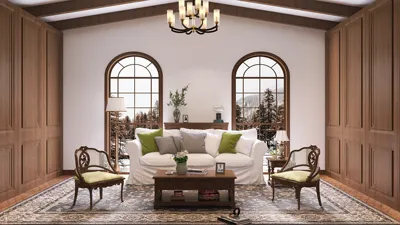
In my design projects, I often incorporate 3D animal models to add vibrancy and a personalized touch to interior spaces. Utilizing a dedicated platform like Homestyler simplifies the experience by allowing the import of custom models, enabling you to view them in realistic environments and ensuring your creative work complements the desired atmosphere.
Tips 1:
Select your modeling software according to your comfort level. Novices might lean toward intuitive tools, whereas experienced users can benefit from the enhanced capabilities and efficiency found in professional software.
FAQ
Q: Which software is ideal for crafting a 3D cat model?
A: Popular options feature Blender (which is free and powerful), Maya, 3ds Max, and user-friendly platforms such as Tinkercad. Choose the one that aligns with your comfort and project needs.
Q: Are drawing skills necessary for creating a 3D cat?
A: While having drawing skills can be beneficial, a fundamental understanding of shapes and anatomy, paired with quality references, is usually adequate for successfully modeling in 3D.
Q: What can I do to enhance the realism of my 3D cat model?
A: Prioritize getting accurate proportions, detailed texturing, and realistic rendering—particularly regarding fur and eyes.
Q: Can I incorporate my 3D cat model into interior design renderings?
A: Absolutely. You can import your model into a rendering platform tailored for interior visualization, enabling placement within virtual rooms.
Q: Where can I find tutorials or resources for modeling 3D animals?
A: Online sources like YouTube, Udemy, and CGTrader provide extensive tutorials as well as premade models for reference and learning.
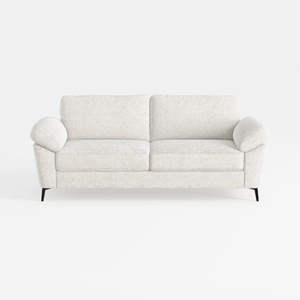
Minimalist Fabric Loveseat Sofa with Black Metal Legs 3D Model



Modern Olive Green Velvet Loveseat Sofa with Metal Legs 3D Model
Homestyler is your go-to online home design platform! With its user-friendly design tool, stunning 3D renderings, and a wealth of inspiring DIY tutorials, you can swiftly turn your home design dreams into reality. Perfect for both novices and pros alike!
Desain sekarang Gratis
































