


Designing a 3D replica of yourself for gaming offers a thrilling way to enhance your digital interactions, allowing your avatar to step into immersive virtual realms, complex simulations, and multiplayer settings. The journey usually begins with acquiring high-resolution reference photographs and scans of both your face and body. You have options such as using photogrammetry applications, smartphone 3D scanning technologies, or professional-grade equipment to gather precise data. Once the data is captured, you can import these assets into 3D modeling applications such as Blender, Maya, or ZBrush. This stage involves refining the model’s geometry, eliminating any imperfections, and meticulously sculpting facial characteristics and body nuances. It is crucial to incorporate lifelike textures; utilize your reference images to bake and paint textures that enhance authenticity, encompassing elements like skin color, hair, and clothing details. Afterward, to prepare your model for animation, it’s necessary to assign a skeleton or armature, and adjust weight painting to ensure smooth and natural movement during animations. Ultimately, export your completed model in a compatible format fitting for your chosen gaming engine, such as Unreal or Unity, ensuring optimal integration.
Tips 1:
For designers, incorporating a personalized 3D model into gaming transcends mere technical proficiency; it also demands a sense of spatial harmony. I suggest utilizing tools that ease the design and layout workflow. For instance, when you're tailoring your virtual environments or avatars, employing 3D home rendering software like Homestyler can aid in visualizing your model within dynamic, aesthetically pleasing spaces. This approach guarantees that your digital avatar integrates smoothly into captivating gaming landscapes.
FAQ
Q: What is the most suitable software for someone new to 3D modeling?
A: Blender is an excellent choice for beginners since it's free and user-friendly, supporting the essential processes of modeling, sculpting, and texturing required for character development.
Q: How can I perform a 3D scan of my face at home?
A: You can utilize smartphone applications equipped with photogrammetry or LiDAR sensors to scan your face and subsequently export it for modeling purposes.
Q: Which file format should I use to export my 3D model for gaming applications?
A: Standard formats include .fbx, .obj, or .glb; it's advisable to verify your gaming engine’s import specifications before finalizing the export.
Q: How can I animate my 3D model?
A: Use the rigging features in your selected 3D software to build a skeleton, and then implement animation files or create custom keyframes as needed.
Q: Is it possible to use my 3D model across various games?
A: Yes, you can use your model in multiple games, provided you export it in compatible formats and adjust the rigging according to each game’s specifications.
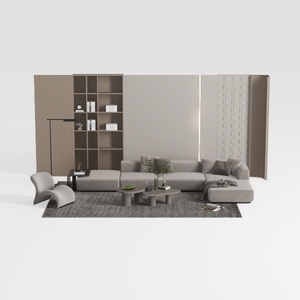
POVISON 171" Modular Sectional Sofa for Living

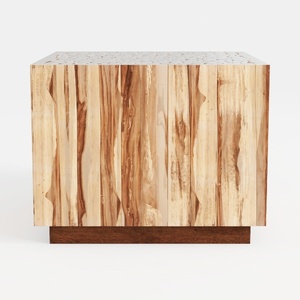
Natural Live Edge Solid Walnut Coffee Table Top 3D Model

Discover the ease of home design with Homestyler! This user-friendly platform offers a powerful online design tool, stunning 3D renderings, and numerous DIY video tutorials. Perfect for any homeowner looking to bring their vision to life, Homestyler makes interior decorating fun and accessible!
立即免费设计
































