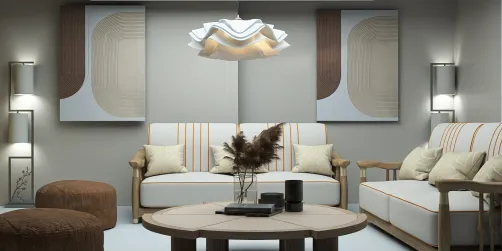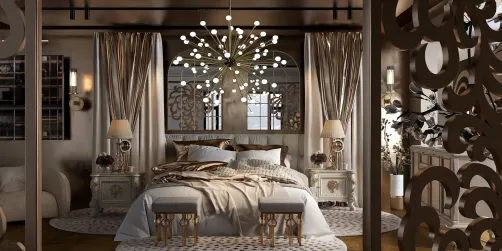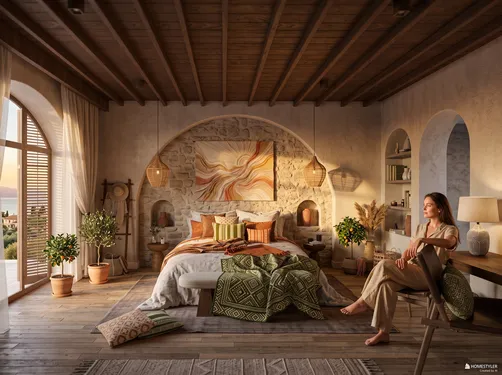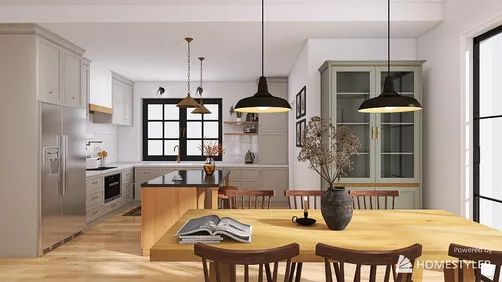


Creating a luxurious dressing room starts with thoughtful design: an environment that fosters tranquility, enhances garment care, streamlines daily activities, and showcases your style. In my designs, I harmonize well-planned lighting, functional zoning, and discreet storage solutions with elegant finishes that improve over time. As outlined by the WELL Building Standard (WELL v2), effective layered lighting that minimizes glare and optimizes color rendering is crucial for comfort and perceived quality in these personal spaces. Additionally, research from Steelcase indicates that well-designed spatial ergonomics can significantly reduce daily friction, leading to time savings and decreased stress in routine tasks.
Two key guidelines inform my foundational choices. First, the Illuminating Engineering Society (IES) suggests maintaining task lighting between 300–500 lux for detailed work; I aim for around 500–750 lux with 90+ CRI light sources for accurate color matching. Furthermore, the WELL v2 standard highlights the importance of minimizing glare (UGR control) and using color temperatures that promote alertness during the day and comfort in the evening; thus, I combine warm-dim LEDs (3000K–3500K) with a cooler light (4000K) near mirrors, ensuring accurate skin tone representation without sacrificing contrast.
Design the Space Like a Boutique, Not a Storage Room
I conceptualize the dressing room as a personal boutique: prioritizing clear pathways, intuitive reach zones, and feature walls that accentuate the wardrobe. In optimizing the space layout, I frequently experiment with multiple configurations to find the right balance between door swings, island spacing, and mirror positioning; a lightweight interior layout planner like Homestyler assists in visualizing traffic flow and sight lines before finalizing any construction.
Functional Layouts and Design Ratios
Begin with a straightforward zoning structure: Preparation (grooming + mirrors), Hanging (short/long garments), Folded (drawers/shelves), Accessories (jewelry/watches/belts), and Seating. I recommend a minimum aisle width of 1000–1100 mm (39–43 in) around an island; narrower aisles can feel restrictive and hinder the ability to pull out drawers smoothly. For wardrobe distribution, applying a 60/30/10 guideline works well: 60% hanging space, 30% for shelves/drawers, and 10% for specialized items like shoe towers or display cases. Adjust these proportions based on personal habits—if you have fewer suits, consider increasing folded storage. Aim to reserve a minimum height of 160–180 cm (63–71 in) for long garments and coats.
Lighting Layers That Illuminate You and Your Wardrobe
Lighting truly enhances luxury in a dressing area. I design three layers: ambient, task, and accent. The ambient layer typically involves cove or downlighting offering approximately 200–300 lux at a color temperature of 3000–3500K. Task lighting consists of vertical fixtures near mirrors (4000K) and integrated LEDs in hanging areas providing 300–500 lux. Accent lighting includes miniature spotlights ranging from 1 to 3 watts for display areas or shoe racks. It's vital to ensure color rendering remains above 90+ CRI, especially R9 quantities for accurate reds. Avoid lighting from above the mirrors as it may cast unwanted shadows; instead, utilize vertical fixtures positioned at eye level for even facial illumination. To control glare, choose low-UGR trim options and matte fixtures, adhering to WELL v2 criteria for visual comfort and quality.
Understanding Color Psychology and Material Choices
Color significantly influences mood and ambience. Soft neutral shades with warm tones serve as a calming backdrop that enhances both skin tones and fabric colors. Utilizing established color psychology principles (as summarized in Verywell Mind’s color associations), I often select muted taupe, warm greige, or pale mushroom tones for wall treatments contrasted with understated wood veneer materials. For metals, I prefer subdued finishes like brushed brass or burnished nickel, avoiding overly shiny surfaces near mirrors to reduce visual distraction. The gloss level of materials is crucial—high gloss surfaces tend to attract dust and smudges; hence, I lean towards satin finishes (20–30 gloss units) for cabinetry and ultra-matte finishes for countertops.
Prioritizing Ergonomics: Reach, Heights, and Comfort
True luxury translates to effortless use. Standard ergonomic heights I consider include hanging rods at heights of 100–110 cm (39–43 in) for shorter garments and 160–180 cm (63–71 in) for longer ones; shelves should have a depth of 30–35 cm (12–14 in) to maintain organized stacks; drawers need a depth of 60–75 cm (24–30 in) for folded clothing with soft-close mechanisms. Jewelry drawers should be positioned between 85–110 cm (33–43 in) for easy access. Valet rods placed near mirrors are handy for preparing outfits for the next day, and a small seat or ottoman at 45 cm (18 in) aids in changing shoes. These minor adjustments, reflected in workplace ergonomic research by Steelcase and Herman Miller, minimize daily effort and help reduce decision fatigue.
Achieving Acoustic Comfort with Discreet Hardware
A serene dressing room conveys a sense of luxury. I often line back panels or opposed doors with acoustic fabric or sound-absorbing materials when feasible, ensure that all components are soft-close, and avoid hollow-core doors that may resonate noise. Area rugs placed over sound-dampening underlays can absorb footfall impact. Should space permit, installing a pocket or pivot door with seals can help isolate mechanical sounds during morning routines.
Climate Control, Garment Preservation, and Light Management
Safeguarding garments is imperative. Maintain a cool and dry room environment—aiming for a temperature range of approximately 18–21°C (64–70°F) with 45–55% relative humidity is ideal for textiles. Incorporate UV-filtering shades or fabric treatments since direct sunlight can quickly fade colors. Use enclosed cabinets for rare or archival clothing, while setting aside well-ventilated areas for leathers and shoes. To keep scents pleasant, I prefer low-emission cedar inserts in shoe drawers rather than heavily perfumed sachets that may transfer odors to fabrics.
Displaying Without Dust: Glass Cases and Thoughtful Lighting
For precious items, glass display cases with concealed hinges, magnetic seals, and dedicated 2700–3000K LED strips create an aesthetically pleasing gallery-like presence. Ensure that lighting remains cool and positioned away from fragile materials. Motion sensors can activate soft illumination upon entry, gradually fading out after a designated time to protect items while conserving energy.
The Island: Proportions, Utilities, and Material Choices
An island is effective when circulation is adequately planned. Typical dimensions include a width of 90–110 cm (35–43 in) and a length of 140–220 cm (55–87 in), featuring 10–12 cm (4–5 in) drawers for accessories on one side and deeper drawers opposite. Ensure the inclusion of a power outlet in a flush pop-up for steamers or garment shavers, and place a felt-lined tray in the top drawer for watches and jewelry. For countertops, choose scratch-resistant and low-glare materials—options like leathered stone, honed quartzite, or ultra-matte high-pressure laminate are ideal. If sizes require adjustment, using a simple layout tool like Homestyler can confirm clearances and drawer swing effectiveness.
Mirrors and Visual Harmony
Full-length mirrors create an illusion of space and aid in fitting into clothes. I prefer a primary mirror setup with vertical lighting, alongside a secondary angled mirror for checking shoes and hems. Ensure that the main mirror is at least 60–80 cm (24–32 in) wide. To maintain visual unity, keep some consistent design elements—uniform rail heights, shelf gaps, and plinth thickness—which contributes to the room’s overall calmness.
Sustainable Selections that Exude Luxury
Choose FSC-certified wood veneers, low-VOC paints, and durable hardware that won’t require replacement within five years. Opt for LED lighting solutions that offer high efficiency and long service life to minimize maintenance and energy usage. For textiles, select natural wool rugs, which provide excellent acoustics and durability, as well as recyclable or bio-based materials for drawer linings.
Designing for Movement and Behavior
Craft the design around your movements: Entry → Drop zone for watch and phone → Mirror/vanity → Primary wardrobe → Island surface → Final mirror check. A labeled yet subtle system—such as engraved brass tabs within door rails—maintains organization without cluttering the space visually. This thoughtful arrangement reduces decision-making friction and streamlines routines, a concept supported by behavioral research from Gensler and Steelcase.
Prioritizing Budgetary Needs
If working with a phased plan, begin by investing in lighting, hardware, and interior of drawers; these elements significantly influence daily experiences. Next, focus on mirrors and seating. While finishes can be upgraded over time, poor lighting or substandard hardware will never embody true luxury.
Frequently Asked Questions
Q1: What are the ideal lighting levels for a dressing area?
A1: Aim for ambient light levels of 200–300 lux and task lighting of 300–500 lux near wardrobes and mirrors, with a color rendering above 90+. For tasks requiring precise color matching, 500–750 lux at the mirror works effectively, aligning with IES task recommendations.
Q2: Which color temperature is most flattering for skin tones?
A2: Use 3000–3500K for general lighting, with an option for a 4000K channel at the mirror specifically for color-critical assessments—warm enough to be comfortable yet cool enough for accuracy.
Q3: What space requirements exist for a dressing island?
A3: Maintain a clearance of 1000–1100 mm (39–43 in) around the island. If maintaining that space isn’t feasible, consider alternatives like a narrow bench or a mobile ottoman instead of a fixed island.
Q4: What are the best heights for hanging clothing?
A4: For shorter garments, aim for 100–110 cm (39–43 in) and for longer ones, 160–180 cm (63–71 in). A pull-down rail is beneficial when ceiling height exceeds 275 cm (108 in).
Q5: How can I minimize glare in a compact dressing area?
A5: Employ low-UGR lighting, matte fixtures and position vertical lighting at mirrors. Refrain from using glossy ceilings; instead, opt for satin finishes and diffused lenses.
Q6: Which materials appear luxurious yet are durable?
A6: Choose satin-finished wood veneers, leathered stone or honed quartzite for countertops, wool rugs for acoustic benefits, and high-quality soft-close hardware. Opt for low-VOC finishes to promote indoor air quality.
Q7: How can I safeguard clothes from fading?
A7: Utilize coatings on glazing or shades to block UV rays, keep LED lights away from direct fabric contact, and store delicate garments behind closed or glass-front cabinets.
Q8: What is the most effective method for organizing accessories?
A8: Use shallow felt-lined drawers (10–12 cm/4–5 in) equipped with modular dividers. Position these at a height between 85–110 cm (33–43 in) for optimal visibility and accessibility.
Q9: Can I incorporate smart controls while maintaining visual clarity?
A9: Absolutely—install a discreet scene controller within the door for Welcome, Try-On, and Evening settings. Motion sensors can gracefully increase accent lights upon entry.
Q10: How do I address acoustics on hard floors?
A10: Layer a thick rug atop an underlayment, add felt pads beneath furniture, and utilize soft-close hardware to minimize high-frequency noise.
Q11: What would be a good starting color palette?
A11: Warm neutrals—greige, taupe, soft putty—paired with satin brass or burnished nickel fixtures. Countertops should be low-glare, and metals should maintain a brushed finish rather than a polished one.
Q12: Where is the ideal location for the primary mirror?
A12: Position it perpendicular to a window to utilize gentle side light and supplement with vertical LEDs; avoid direct backlighting to prevent static silhouettes.
What began as an Autodesk innovation has evolved into a design platform used by more than 20+ million registered users (platform data, 2026) around the globe. Homestyler combines powerful rendering, an intuitive editor, and a vast furniture library to help you turn inspiration into photorealistic designs — whether you're redesigning a single room or planning an entire home.
Homestyler is the ultimate online home design platform for anyone looking to elevate their space. With its user-friendly design tool, stunning 3D renderings, diverse design projects, and informative video tutorials, you can effortlessly create and visualize your dream home. Start designing today!
تصميم الآن مجانا