


Building a 3D representation of an amoeba is an excellent method to illustrate its distinct cellular makeup, bringing scientific concepts to life for educational or artistic purposes. This guide outlines the steps to create a lifelike 3D amoeba, whether you opt for digital design applications or prefer hands-on crafting techniques.
As someone who regularly engages in design, I always seek tools that streamline the process of organic modeling. Within interior architecture, unconventional shapes and biomorphic forms present challenges similar to those faced when rendering an amoeba in three dimensions. If you're keen on visualizing unique geometries or experimenting with organic forms, delving into a 3D floor planner can ignite inspiration—though it focuses mainly on interior designs, its remarkable adaptability for freeform modeling will likely astonish you! And for those looking to explore creative design even further, consider utilizing Homestyler for your interior projects.
Tips 1:
When creating organic shapes such as amoebas, it’s advantageous to utilize tools that support non-linear modifications and sculpting techniques. In the realm of digital design, employing subdivision and mesh sculpting functionalities can help you achieve natural, flowing lines—skills that are equally beneficial when designing custom interior elements, including ergonomic furniture or unique wall decor.
FAQ
Q: What materials are ideal for crafting a physical 3D model of an amoeba?
A: For effective representation of the various textures and the transparent characteristics of amoeba structures, modeling clay, silicone gel, transparent plastics, and glass beads are excellent choices.
Q: Is it possible to create an amoeba model using 3D printing?
A: Absolutely! You can design your model with 3D software, export it as an STL file, and then utilize a 3D printer for production. For optimal results, select clear or flexible filaments to replicate the amoeba's unique traits.
Q: Which software is most user-friendly for beginners to create a 3D amoeba?
A: Beginners might find Tinkercad and Sculptris to be particularly accessible, as they offer intuitive interfaces perfect for crafting organic shapes—a fantastic starting point for designing a simple amoeba model.
Q: How accurate needs my 3D model be for educational purposes?
A: It's essential to clearly depict the key components like the cell membrane, nucleus, pseudopodia, food vacuole, and contractile vacuole. While exact measurements are less critical, a clear representation of the structure is vital for educational effectiveness.
Q: In what ways can a designer’s expertise enhance 3D biological modeling?
A: Implementing principles of spatial design—such as hierarchy, visual flow, and a keen focus on material properties—yields models that are not only scientifically precise but also visually appealing and straightforward to comprehend.
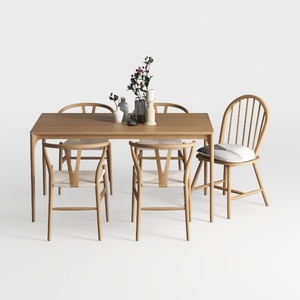


Minimalist Solid Wood Round Dining Table Set with Upholstered Chairs 3D Model
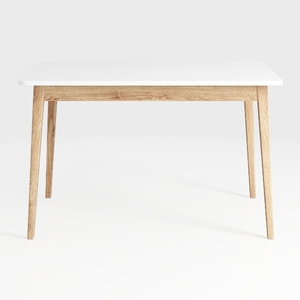
Minimalist Oak White Top Dining Table 3D Model
Homestyler is your go-to online platform for home design! With its user-friendly design tool, stunning 3D renderings, and a wealth of DIY video tutorials, creating your dream space has never been easier. Let your creativity shine and transform your vision into reality!
Concevez maintenant gratuitement
































