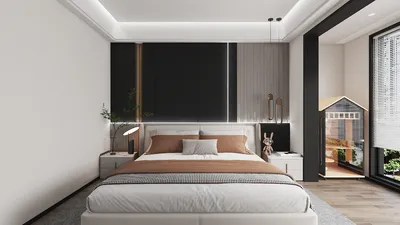


I view home wellness as an integrated space, much like a compact clinic embedded in everyday life. This approach emphasizes effective circulation, intelligent lighting, ergonomic features, and materials that promote clean air and tranquility. Emphasizing cost control doesn’t imply sacrificing quality; rather, it involves prioritizing health solutions that yield noticeable benefits per dollar spent, particularly through tools like Homestyler.
Three essential factors significantly influence well-being at home. Firstly, task and ambient lighting that aligns with human circadian rhythms is vital; the Illuminating Engineering Society (IES) suggests around 300–500 lux for tasks and 100–200 lux for ambient lighting, ensuring glare control and comfort within 2700–4000K color ranges. Secondly, ergonomics are crucial; research indicates that adjustable seating and maintaining neutral angles (between 90–110° for hips and knees, with screens positioned at eye level) help reduce musculoskeletal issues and enhance work performance. Thirdly, spatial clarity matters; insights from Gensler reveal that users experience heightened effectiveness in environments with intuitive zoning and wayfinding—principles we can apply within homes using design tools like Homestyler to create distinct activity areas.
When budgets are limited, I focus on the most impactful aspects: air quality, lighting, posture, and acoustics. The WELL v2 framework highlights ventilation, low-VOC materials, and adjustable lighting as fundamental health requirements, which can be achieved through strategic, affordable upgrades. To enhance behavioral wellness, research on color psychology suggests utilizing muted hues—subtle greens and blues for calming effects, warm neutrals for comfort—carefully applied to minimize stress in sleeping and recovery areas.
Conceptualizing an "Economic Medical Hall" at home means creating a flexible set of wellness elements woven throughout living, work, sleeping, and hygiene spaces. I typically structure projects by focusing on effectiveness and accessibility.
Efficient lighting doesn’t have to be expensive. Begin by maximizing natural sunlight; using reflective light paints (with a light reflectance value of 60–80) and light-colored ceilings can help spread daylight deeper into the space, thereby lowering electric consumption during the day. For LED lighting, aim for 300–500 lux in task areas where color perception is crucial (such as kitchen preparations and workspaces), while ambient lighting should fall between 100–200 lux. For relaxation areas, a temperature of 2700–3000K is ideal, increasing to 3500–4000K in more active environments. Layering lighting with plug-in lamps, under-cabinet strips, and a single ceiling fixture generally outperforms one large, all-in-one source. Installing dimmers in primary spaces increases flexibility, accommodating circadian rhythms. Following IES guidelines helps mitigate glare: shield light sources, employ diffusers, and avoid glossy surfaces that create hotspots.
Ergonomics can be achieved even on a budget. Good posture helps to avoid costly rehabilitation. I recommend a few key adjustments: invest in a lumbar-supported chair with adjustable height and back tilt, use a footrest (even a couple of stacked books work), and position monitors at eye level (using risers or shelves). Ensure that elbows are around 90°, wrists are neutral, and screens remain 50-70 cm away. For standing work, counters at 38–44 inches in height suit most adults, and adding an inexpensive anti-fatigue mat can alleviate strain on lower limbs. In the kitchen, position heavy items between shoulder and knee height, allowing sufficient clearance (42–48 inches) for comfortable movement between two people. These incremental ergonomic improvements can lead to fewer aches and enhanced focus.
Creating distinct zones and ensuring efficient flow within wellness-focused homes is essential. I define areas using furniture, rugs, and lighting rather than walls: a cozy reading nook with a task lamp; a quiet desk positioned against a blank wall to enhance concentration; and maintaining high-traffic paths at 36 inches wide. If considering rearrangements, utilize an interior layout planner to visualize several options; tools like Homestyler enable you to test clearances, sightlines, and light distribution before moving heavy furniture.
To ensure clean air and minimize VOCs, prioritize ventilation and source mitigation over post-hoc purification methods. Select low- or no-VOC paints and water-based sealants. Installing doormats inside and outside entrances alongside a designated shoe drop zone helps decrease particulate contamination. Utilize lidded containers for laundry and waste in bathrooms and kitchens; smooth, easy-to-clean surfaces reduce the harboring of microbes. A compact HEPA air purifier in sleeping areas proves beneficial during allergy seasons; running exhaust fans in the kitchen and bath for 20–30 minutes post-use aids in controlling humidity levels.
Acoustic comfort is crucial for recovery and concentration. I focus on incorporating soft materials in first reflection zones: placing thick rugs near speakers, using lined curtains, and adding bookcases opposite noise sources to disrupt sound waves. Applying weatherstripping to bedroom doors, using felt pads under furnishings, and sealing gaps around outlets can enhance sound isolation. For children's rooms or small apartments, a white noise machine or small fan often provides an effective and inexpensive sound masking solution.
For enhanced relaxation, I advocate for mid-value blues and greens in bedrooms and recovery spaces, supported by established insights from color psychology about their calming benefits. In living and kitchen areas, employing warm neutrals with subtle accent colors maintains energy levels while avoiding visual clutter. Limit vivid colors to under 20% of the overall view; utilize high-chroma accents only on movable items like cushions or artwork, allowing for adjustments based on their impact on sleep or focus.
Maintaining visual order contributes positively to well-being. Ensure closed storage solutions for frequently used items are conveniently located—bins beneath sinks for cleaning products, a designated tray by the entry for keys and masks, and a basket near the sofa for throws. Incorporate a 10-minute reset routine each evening to tidy surfaces, set warm, low lighting, draw blinds, and ventilate briefly. These small rituals reinforce the restorative nature of the space.
When financial constraints arise, it's crucial to identify where to allocate resources effectively. Evidence suggests prioritizing specific wellness features can make a significant difference without overspending.
For those seeking more comprehensive insights into ergonomic posture and workplace health behaviors, Herman Miller’s research repository offers accessible resources focusing on seating and workspace arrangements. For lighting standards and glare management, refer to the IES guidelines, both of which underline practical, budget-conscious choices that can easily be tailored for smaller homes through design applications like Homestyler.
FAQ
Aim for 300–500 lux on work surfaces with diffused task lighting and maintain 100–200 lux for ambient illumination. Ensure screen brightness corresponds to the surrounding light levels, utilizing 3500–4000K LEDs to promote alertness without being harsh.
Position your screen at eye level while ensuring lower back support. Coupled with keeping your elbows at around 90° and feet supported, this setup dramatically alleviates neck and shoulder stress.
Use warm 2700K lamps on dimmers in the evening, avoid high-output overhead lights after sunset, and incorporate blackout curtains to mitigate early morning light.
Muted blues and greens in mid-tones facilitate tranquility, while warmer neutrals soften bold contrasts. Remember to limit high-chroma accents to small, movable elements.
Incorporate soft sound-absorbing materials at reflection points: rugs, curtains, shelves, and upholstered furniture. Weatherstrip doorways and consider a low-volume white noise device for additional comfort.
Opt for low-VOC paint during your next home refresh, place doormats at entrances, and invest in a compact HEPA air purifier for the bedroom during allergy seasons.
Creating a visually appealing space doesn't require a strategy. Combine conventional closed storage for clutter-prone items with select open shelves for frequently accessed items to find a balance in visual density.
Evaluate space requirements (36 inches for flow, 42–48 inches in kitchens for shared use) and explore different furniture layouts using visualization tools like Homestyler to test arrangements.
Strive for a Color Rendering Index (CRI) of 90+ for areas requiring precise color differentiation (like kitchen preparation or workstations). For ambient settings, a CRI of 80-90 is often sufficient.
Activate exhaust systems for 20–30 minutes following showers, squeegee down walls and glass, and allow for a slight gap under doors to enhance air circulation. Employ mildew-resistant, low-VOC caulking to seal edges.
Yes—utilize lighting and textiles to establish varied zones like reading corners, focused workspaces, and stretching areas. Portable dividers or curtain panels can provide privacy without significant renovations.
Introduce warmth by using soft white (3000K) under-cabinet LED lights, placing a small herb garden in a sunlit spot, and incorporating wood or cork accents to add tactile comfort.

Minimalist Solid Oak Coffee Table Simple Modern Design 3D Model

Minimalist Solid Oak Dining Table With Cylindrical Legs 3D Model
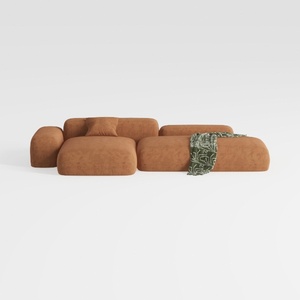
Minimalist Brown Fabric Modular Sectional Sofa 3D Model
Looking to transform your home? Homestyler is your ideal partner! This online platform offers a user-friendly design tool, stunning 3D renderings, and an abundance of inspiring design projects and video tutorials. Easily create and visualize your dream spaces—no design experience needed!
Zaprojektuj teraz za darmo
































