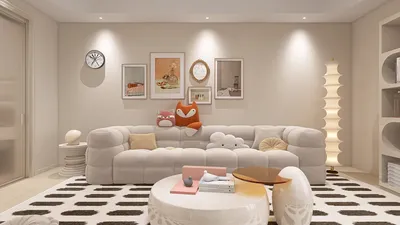


Transforming a Hansa Ward room into a dynamic and health-conscious living space involves the right approach to spatial planning, lighting selection, materials, and modern technology. My experience over the past decade in designing small urban interiors has taught me that a well-designed living area benefits greatly from versatility, sensory comfort, and distinct zones that cater to relaxation, productivity, and socializing.
Research supports the effectiveness of purposeful layout. Findings from Steelcase highlight that individuals distribute their time among focused work, collaboration, social connections, and relaxation—spaces designed for these activities enhance both satisfaction and productivity. Additionally, WELL v2 identifies key environmental factors like access to natural light, glare management, sound comfort, and ergonomic seating as essential contributors to overall wellness. By incorporating these principles initially, your Hansa Ward room can feel more spacious, serene, and practical without requiring additional square footage. For more detailed insights on wellness, refer to the WELL v2 guidelines concerning illumination and comfort.
In compact settings, the quality of lighting plays a pivotal role. I aim for an ambient brightness of 200–300 lux for casual use, with task lighting calibrated to 500 lux for reading and 300–500 lux for desk-related activities, following IES recommendations. A multifaceted lighting strategy, incorporating indirect wall washing, adjustable floor lamps, and high-CRI task lighting, minimizes harsh contrasts and creates a sense of spaciousness. Utilizing color temperatures around 2700–3000K during the evening fosters relaxation, while daytime usage benefits from 3500–4000K. Managing glare—especially from reflective screens and glossy surfaces—helps reduce eye strain and fatigue.
Creating Core Zones
My design begins with three focused micro-zones: a serene lounge, a compact workspace, and a communal edge for gathering. Incorporating a low-profile sofa (with a seat height of 16–18 inches) and a nestable coffee table that can be stored when not in use is ideal. To experiment with different furniture placements, employing a room design tool like Homestyler can rapidly visualize traffic patterns and spatial clearances.
Achieving Visual Harmony and Proportions
Small spaces appear more inviting when the visual weight is well-balanced. Position the heaviest piece (such as the sofa or storage unit) against the longest wall, countering its mass with vertically oriented elements—like slender bookshelves or tall drapery—on the opposite side to enhance the perception of height. Strive for a visual ratio of 60/30/10: allocate 60% to a calming base (for example, walls and large rugs), 30% to secondary tones (like sofas and storage), and 10% to accent pieces (such as artwork and cushions). This approach maintains vibrancy without overwhelming the space.
Functional Work Nook
For an effective living arrangement, the workstation must be both ergonomic and inconspicuous. An ideally positioned wall-mounted desk at a height of 28–29 inches, paired with an adjustable chair that allows for a knee angle of approximately 90 degrees, supports good posture. Ensure the top of the monitor is at or just below eye level, maintaining a viewing distance of 20–28 inches. When natural light is available, orient the desk perpendicular to the window to reduce screen glare. Including a micro-shelf for a webcam and concealed cable management can also keep the work area tidy.
Lighting and Glare Management
Access to natural light is beneficial, yet control over it is crucial. Layering sheer to blackout window treatments allows for adjusting light levels throughout the day. Applying matte or eggshell paint on feature walls helps to diffuse bright light; over-reflective surfaces can increase glare. Opt for lighting in task areas with a CRI of 90 or above to ensure color accuracy—important for activities such as reading and crafting.
The Psychological Impact of Color
Colors influence behavioral cues significantly. Muted greens and soft blue-grays have calming effects and aid in recovery, while warm neutrals create a welcoming atmosphere. Incorporate small bursts of vibrant color—such as terracotta, mustard, or deep teal—only where energy is desired (perhaps in the workspace), while keeping the lounge walls in neutral tones to promote relaxation. This thoughtful balance allows for a fluid transition from day to night without inconsistency.
Enhancing Acoustic Comfort
Sound reverberates quickly in spaces with parallel walls. Mitigate echoing by using a large low-pile rug, fabric curtains, and a variety of upholstered furniture. Open shelves filled with books can act as broadband absorbers, while a felt pinboard or cork panel near the work area can improve sound clarity during calls. Place speakers away from corners to minimize excessive bass.
Embrace Clutter-Free Serenity
In small rooms, clutter can lead to disarray. I favor wall-depth storage solutions measuring 12–14 inches to maintain floor space, ensuring cabinet doors match the wall color for a cohesive look. A lift-top coffee table can conceal remote controls and chargers, while a single drawer in the TV unit can house cables and adapters. Labeled fabric bins help reduce visual clutter and streamline tidying processes.
Smart Living Integration
Smart living centers around automation that complements human activity patterns. Implementing adjustable lighting settings linked to specific times—brighter in the morning, neutral in the afternoon, and warm in the evening—can alleviate decision fatigue. Occupancy sensors for task lamps can signal focus mode when seated. Maintain a consistent control scheme, utilizing a primary smart hub with straightforward naming, alongside physical overrides so that guests can navigate easily.
Selecting Sustainable Materials
Select low-VOC paints and engineered wood adhering to verified emissions standards to ensure stable air quality. Natural fibers such as cotton, wool, and linen provide texture and help regulate humidity levels. For hard surfaces, matte or honed finishes convey calmness under varying light conditions. Focus on durable, repairable items rather than disposable decor; sustainability aligns closely with design longevity.
Scaling Furniture and Ensuring Flow
Always measure before rearranging. Ensure main passageways maintain a clearance of 28–32 inches; in tighter paths, 24 inches can suffice, provided that adjacent features are soft. Positioning the sofa 6 inches away from the wall often enhances airflow and proportions. Opt for furniture with slender legs to reveal more floor space, visually expanding the room.
Proven Layout Strategies
- Secure the sofa against the longest wall while complementing it with a low media console across to maintain unobtrusive sightlines.
- Incorporate a swivel lounge chair to easily transition between TV viewing, conversations, and working.
- Position a tall plant in a corner to soften the geometry and reflect gentle lighting.
- Keep the workspace free from cables by using under-desk trays and a consolidated surge protector.
- Hang art at a centerline height of 57 inches for a consistent eye level throughout the space.
Seamless Day-to-Night Transition
The evening ambiance should feel deliberate. Transition to 2700K warm lights, lower window shades to prevent street glare, and soften reflective surfaces with textured throws. A small tray with a book and earbuds can inspire quieter activities. Incorporate scent diffusers with subtle wood or citrus notes to establish a calming nightly routine.
Digital Layout Testing
Prior to purchasing, I routinely simulate room layouts with a design visualization tool like Homestyler to confirm spatial clearances and optimal lighting setup. For efficient iterations involving furniture adjustments and flow assessments, take advantage of this layout simulation tool.
Frequently Asked Questions
Q1: What brightness level should my Hansa Ward living area maintain?
A1: Aim for 200–300 lux for ambient lighting and 500 lux for reading. Employ dimmable lighting options to adapt brightness throughout the day while minimizing glare with indirect sources.
Q2: Which color temperature is ideal for day and night settings?
A2: Utilize 3500–4000K during daytime for clarity and switch to 2700–3000K in the evening to facilitate relaxation and support melatonin production.
Q3: How can I lessen echo in my room without heavy acoustic panels?
A3: Implement a large rug, full-height curtains, and upholstered furniture to create sound absorption. Bookshelves can help diffuse frequencies, while a felt pinboard near the workstation can enhance audio clarity during calls.
Q4: What is the minimum clearance I should aim for when planning walkways?
A4: Ensure 28–32 inches for primary circulation routes. In constrained spaces, 24 inches can be sufficient if surrounding elements are soft and rounded.
Q5: How can I seamlessly integrate a workspace within my living room?
A5: Consider a wall-mounted desk with concealed cable management and a chair that tucks away fully. Ensure consistent finishes align with the room’s color scheme for a subtle blend of the nook.
Q6: What smart home features genuinely enhance functionality?
A6: Integrate time-controlled lighting scenes, occupancy sensors for task lamps, and a single control hub for cohesive management. Always provide physical overrides to accommodate guests and safeguard functionality.
Q7: What materials are calming under diverse lighting conditions?
A7: Opt for matte or eggshell wall paints, honed wood or stone surfaces, and textiles made from natural fibers. High-gloss finishes tend to increase glare and contribute to visual clutter.
Q8: How can I select colors that foster both calmness and focus?
A8: Maintain soft neutral tones or muted greens and blues for calming effects, while introducing thoughtfully placed accents like terracotta, mustard, or deep teal around the workspace for gentle vibrancy.
Q9: What is the ideal height for mounting artwork in compact spaces?
A9: A centerline of 57 inches is a reliable guideline; it aligns with standard eye levels and maintains cohesive visual arrangements.
Q10: What’s the optimal sofa positioning for a compact space?
A10: Anchor the sofa against the longest wall to create stability, slightly floating it off the wall to enhance proportions, and pairing it with a low media console to ensure clear sightlines.
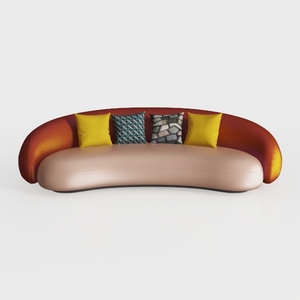
Modern Two Tone Fabric Curved Sofa With Decorative Throw Pillows 3D Model
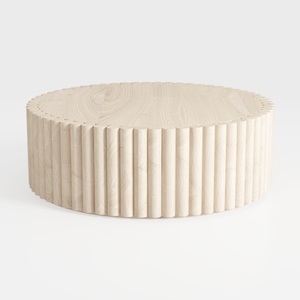
Minimalist Solid Wood Fluted Round Coffee Table 3D Model

Minimalist Brown Velvet L Shaped Sectional Sofa 3D Model
Discover your home’s potential with Homestyler! This intuitive online design platform offers a fantastic design tool, stunning 3D renderings, and a rich array of projects and DIY video tutorials. Whether a novice or an expert, bring your interior design ideas to life effortlessly!
Design Now for FREE
































