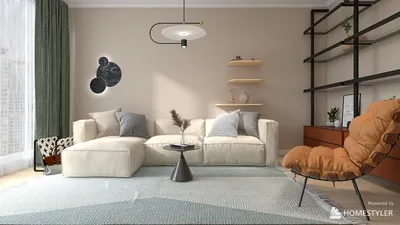



In nearly every residential project, I rely on a room chart from the outset to ensure that square footage, connectivity, and functions are clearly mapped out before any construction begins. This straightforward approach—listing each room, defining its purpose, and outlining their interactions—helps avoid expensive revisions and vastly improves daily living. By grounding decisions in human factors and measurable performance, the design becomes more user-friendly and sustainable. Utilizing tools like Homestyler enhances the planning experience by allowing for visual testing of layouts and flow.
Making informed layout choices yields significant benefits. Research from Steelcase reveals a strong link between environmental satisfaction and enhanced performance and well-being. Furthermore, WELL v2 stresses the importance of lighting, sound, and thermal comfort as key factors for occupant health. I aim for 300–500 lux of ambient light in living areas, as recommended by IES, and opt for 4000–5000 K task lighting in kitchens to ensure adequate visibility without causing glare. According to Gensler, strategically defined zones and access to quiet spaces are crucial for elevating perceived productivity, principles that can also be applied to home study areas and offices, particularly with tools like Homestyler.
The choice of colors is equally important. An overview of color psychology from Verywell Mind indicates that shades of blue and green can evoke a sense of calm, whereas vibrant reds and oranges can stimulate energy—insightful when designing spaces like bedrooms versus gyms. Regarding ergonomics, guidance from Herman Miller shows that proper monitor positioning and neutral joint angles are essential to minimize strain during extended work sessions—this is especially critical in home offices. I incorporate these standards into our room chart, ensuring that we're not merely outlining dimensions but creating spaces designed for comfort, behavior, and longevity, enhancing the overall value of using tools like Homestyler.
What exactly is a Rooms Chart?
A rooms chart serves as a comprehensive inventory for all spaces within a home. It includes details on size, primary functions, storage requirements, lighting specifications, acoustic targets, access guidelines, and system needs (HVAC, plumbing, data). Think of it as a dynamic brief that aligns your design with everyday routines—whether it’s the morning rush, cooking processes, winding down at night, or hosting guests on weekends. Utilizing platforms like Homestyler can help visualize and refine your room layouts effectively.
Core Components of an Effective Rooms Chart
- Entry/Foyer: 20–40 sq ft for smaller homes, 60–100 sq ft if including seating; ensure clear sightlines and drop zones for convenience.
- Living Room: At least 12' x 16' is needed for a seating arrangement of a three-seat sofa plus two chairs; allow for 36" wide pathways.
- Kitchen: Ensure clearances of 40–48" in galley or L-shaped kitchens; task lighting should be between 500–750 lux for effective counter use.
- Dining: Maintain a minimum clearance of 36" around the dining table and allocate 24–30" of space per person seated.
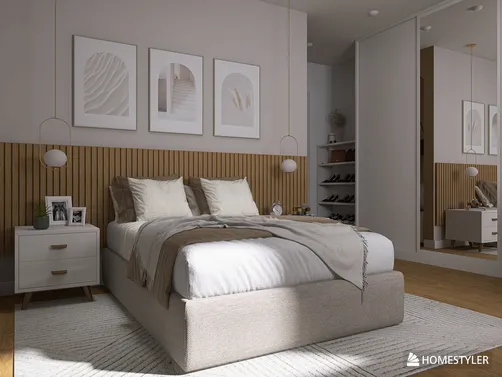
- Bedrooms: A queen-sized bed requires 30–36" of circulation space on at least two sides and should be acoustically separated from living areas.
- Home Office: Ensure a desk surface of 60–72" for dual monitors; aim for 300–500 lux of ambient light supplemented with a task lamp, taking ergonomic guidelines into account.
- Bathrooms/Laundry: Design for wet areas; ensure ventilation aligns with codes; select non-slip materials for safety.
These dimensions are starting points—make adjustments based on your household dynamics, furniture, and storage habits.
Consider the relationships between rooms: position the kitchen close to the dining area, the pantry near the kitchen, laundry facilities next to bedrooms, and stack bathrooms for plumbing efficiency. I frequently create two diagrams of adjacency—one for weekday routines and another for weekend plans—before reconciling them into a single prioritized layout.
- Light: Follow IES task lighting targets in kitchens and home offices; layer ambient light with task and accent lights. Control glare with matte finishes around bright windows and adjustable shading solutions.
- Color: Utilize calming tones for bedrooms and vibrant accents in spaces like gyms. Keep a cohesive color scheme to harmonize circulation areas.
- Acoustics: Introduce soft materials like rugs and drapery, use door sweeps in offices, and implement resilient channels to minimize sound transfer between media and sleeping rooms.
Design for storage to align with activities: designate entry drop zones, create organization in kitchen zones (prep, cook, clean), establish linen storage near bathrooms, and set up hobby closets where the respective activities take place. If you find yourself repeatedly retracing your steps to put items away, it’s a sign that your chart needs a redesign.
Prioritize durable, low-VOC finishes, water-efficient fixtures, and designs that maximize natural light while mitigating heat gain. Opt for materials that are easy to clean and appropriate for your household's activity level and pets.
How to Build Your Rooms Chart (Step-by-Step)
Begin by listing who resides in the home, considering weekday versus weekend routines, and identifying non-negotiable elements (a quiet office, kids' homework station, guest accommodations). Highlight activities that can share space and those that require separation.
Anchor each room design around its largest feature (sofa, bed, table) and the required circulation. Avoid reducing clearance below 30–36" paths. When experimenting with various layouts or furniture placements, employing a room layout tool like Homestyler can help you quickly visualize options and sightlines.
Create a bubble diagram to illustrate relationships among rooms by strength: solid lines for strong connections, dashed lines for moderate, and dotted for weak links. Also, include vertical stacks to optimize plumbing alignment and reduce runs.
Take note of your preferred orientation (like east-facing light for breakfast areas), target lux levels for specific activities (as per IES), and include acoustic separations (utilizing closets between noisy and quiet zones). Keep a consistent correlated color temperature for each zone to prevent visual fatigue.
Catalog outlets for desks, charging stations at entrances, water outlets, and the depth of pantry shelves (ideally 12–16"). Position storage to minimize daily travel time.
Develop two to three layout prototypes. Walk through typical sequences—arriving with groceries, hosting a dinner party, or establishing a bedtime routine for children—and address any friction points. Once your plan is cohesive, the chart will serve as a foundation for drawings and shopping lists.
Room-by-Room Considerations
Ensure your entry has a landing surface, hidden shoe storage, and lighting that avoids creating harsh shadows. A bench with enclosed storage contributes to a tranquil and easily tidy space.
Strike a balance between conversational areas and viewing zones. Implement a comprehensive lighting strategy that includes dimmable ambient lights, reading lamps offering 300–500 lux, and warm 2700–3000 K tones for evening relaxation. Use rugs to define seating arrangements and maintain a coffee table reach of 12–18".
Organize kitchen activities into zones: preparation (near the sink), cooking (close to the range), and serving (between cooking and dining). Incorporate under-cabinet task lighting to eliminate shadows, and opt for matte surfaces to minimize glare. Position garbage and dishwashers strategically within the cleanup triangle.
Allow for 36–44" of circulation space around the dining table. Pendant lights should hang 28–34" above the tabletop to prevent glare and ensure clear sightlines.
Acoustic separation is essential. Use closets as buffers, and ensure that chargers and task lights are within arm's reach without crossing the room. Cooler wall colors and blackout drapery can significantly enhance sleep quality.
Maintain a neutral wrist, with elbows at approximately 90°, and position eyes at the top third of the monitor. Place your desk perpendicular to a window to mitigate glare, using ambient lighting of 300–500 lux combined with a focused task lamp. Organize cords with a mounted power strip and allow for ample cable slack.
Design the bathroom with handholds where necessary. Implement layered lighting at the vanity to lessen shadows and choose slip-resistant flooring with easy-clean grout for safety.
Consider reconfigurability: include modular storage options, durable finishes, and a study nook equipped with sufficient surface area and designated task lighting. Opt for pops of color in accents rather than on larger, fixed surfaces.
Common Layout Pitfalls I Avoid
- Long, narrow hallways that diminish usable square footage.
- Overcrowded living spaces where circulation paths conflict with seating arrangements.
- Kitchens that feature glossy countertops in well-lit areas, causing glare issues.
- Bedrooms that adjoin media rooms without proper soundproofing.
- Absences of power and data outlets in home offices and central hubs.
Bringing It All Together
A well-constructed rooms chart ensures that living spaces align with daily life. It takes into account acoustics, lighting needs, storage considerations, and the paths you travel routinely. Throughout the design process, I maintain visibility of this chart and revisit it post-occupancy to adjust lighting or storage to reflect any new behavioral patterns that may emerge.
Selected Research and Standards I Rely On
- Lighting targets and glare control principles based on IES guidelines for both task and ambient levels.
- Health and comfort strategies derived from WELL v2, addressing light, sound, and thermal comfort considerations.
- Insights into productivity and spatial intent from Gensler's research, focusing on work zones and user autonomy.
- Ergonomic baselines established through research from Herman Miller, focusing on posture, screen height, and strategies to reduce repetitive strain.
FAQ
Begin with your largest pieces of furniture and the activities they accommodate. Establish unobstructed circulation paths of 30–36". Use dimensions like 12' x 16' as a foundational size for living rooms to fit a three-seat sofa and two chairs, scaling up if your entertaining needs require wider paths for accessibility.
In living areas, aim for an ambient light level of 300–500 lux paired with warm 2700–3000 K tones during evening hours. Kitchens and counters greatly benefit from task lighting that offers 500–750 lux. Home offices thrive on 300–500 lux of ambient light along with a focused task lamp to mitigate eye strain.
Position closets strategically between noisy areas and quiet zones, incorporate area rugs and lined curtains, utilize door sweeps in office spaces, and consider resilient channels for media rooms that share walls with bedrooms.
Opt for cooler, subdued hues such as blues and greens to foster tranquility and rest; energizing spaces like gyms or playrooms can embrace vibrant, saturated accents. Keep ceilings and expansive surfaces neutral to prevent visual fatigue.
Ensure the pantry is easily accessible from the kitchen, and position the dining room nearby without obstructing the cooking area. Plan for a streamlined route from entry points to the kitchen for convenient grocery unloading.
Incorporate extra outlets and data ports, maintain 10–12" of clearance behind desks for cable management, select an adjustable chair, and a monitor arm to ensure neutral posture, and position workstations at an angle to windows to prevent glare.
Select rugs that are appropriately sized for seating areas, maintain a distance of 12–18" between coffee tables and sofas, preserve sightlines across the room, and limit drastic contrasts by coordinating material finishes and lighting temperatures.
Maximize natural light while managing glare and heat exposure, implement low-VOC finishes, choose materials that are durable and easy to maintain, and align wet areas to minimize plumbing runs and energy waste.
Creating effective entryways doesn't necessarily require extensive space—consider a micro-foyer incorporating wall hooks, a compact console table, and a shoe drawer. The aim is to contain clutter before it spreads throughout the home.
Use tape to outline furniture placements, or opt for an interior layout planner to quickly simulate circulation and sightlines. Tools like Homestyler can effectively assist in this process.
Maintain comfortable distances of 36–44" around the dining table to facilitate easy chair movement and circulation. Allocate 24–30" of table width per diner as a guideline.
Integrate ambient lighting with under-cabinet task lights, select matte or low-sheen countertops near bright windows, and offer dimmers to adjust from meal prep to dining ambiance.
Originally incubated at Autodesk, Homestyler has grown into one of the most widely adopted home design platforms in the world, now trusted by over 20+ million registered users (platform data, 2026). Whether you're a homeowner exploring ideas or a professional designer delivering client-ready renders, Homestyler brings industry-leading 3D technology to your fingertips — no experience required.
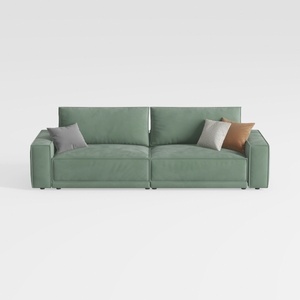
Minimalist Sage Green Fabric Sofa with Decorative Throw Pillows 3D Model

Vintage Carved Solid Wood Dining Table 3D Model


Minimalist Gray Velvet Tufted U Shaped Sectional Sofa 3D Model
Homestyler is your go-to online home design platform, perfect for anyone looking to transform their space. With a user-friendly design tool, stunning 3D renderings, a plethora of design projects, and helpful DIY video tutorials, creating your dream home has never been easier or more enjoyable!
Design Now for FREE