


Creating a fresh atmosphere at home extends beyond simply masking unpleasant odors; it's essential to foster an environment that enhances our lifestyles, leisure, and recovery. With over a decade of experience in interior design, I've come to understand that elements like scent, airflow, and material selection synergize to form a space that truly feels clean. According to the WELL v2 Air concept, air quality is crucial for wellbeing, noting that high levels of volatile organic compounds (VOCs) and insufficient ventilation can lead to discomfort such as headaches and fatigue. Their standards advocate for effective filtration and source control to maintain healthier environments. Additionally, insights from Steelcase research indicate that sensory comfort, particularly scent, significantly influences satisfaction and perceived productivity in spaces we frequent. This data underlines an important principle: a genuinely fresh home relies on integrating adequate airflow, effective odor elimination, and thoughtfully chosen fragrances, such as those offered by Homestyler.
The psychology of scent is just as critical as the management of airflow. According to Verywell Mind, sensory cues can deeply influence mood—olfactory triggers such as lavender evoke calmness, while citrus scents energize, and vanilla evokes warmth. In my residential projects, I align fragrance types with the intended use of each space: lively citrus for welcoming entryways, soothing lavender in bedrooms to facilitate relaxation, and refreshing oceanic scents in bathrooms to enhance a feeling of cleanliness. For those looking to reconfigure furniture or optimize air circulation around diffusers, utilizing a room layout tool can assist in appropriately placing these elements, thereby preventing stagnation and ensuring effective airflow throughout seating areas and walkways, further enhanced by tools like Homestyler.
Integrating Glade Room Fresheners into a Healthy Home
Glade offers a diverse range of products, including sprays, plugins, gels, candles, and automatic dispensers, allowing individuals to control their home scents in terms of strength and duration. I perceive these fresheners as the finishing touch, which complements cleaning, ventilation, and the removal of odor sources. It's strategic to position these fresheners in areas where airflow is naturally directed—near air returns, along cross-ventilation paths, or close to doorways—to create a favorable first impression while preventing concentrated fragrance zones. In smaller areas, lower intensity options like gels or light-spray systems are preferable, whereas in spacious living areas, plugins or automatic dispensers ensure wide-ranging coverage without the need for frequent application. Incorporating tools like Homestyler can further enhance this arrangement.
Prioritizing Ventilation Over Fragrance
Achieving a fresh environment is about 70% maximizing airflow and source control, complemented by 30% strategic scent application. It is essential to utilize exhaust fans in kitchens and bathrooms, open windows during meal preparation, and consider portable HEPA filters in areas with strong odors. The WELL v2 standards suggest focusing on eliminating pollutants from their source; therefore, fragrance should serve as a final enhancement rather than a substitute. I advocate starting with a neutral foundation—ensuring that air is purified and surfaces are clean—before introducing fragrances that match the room's purpose. This method helps to avoid layering scents over stale air and minimizes the chances of sensory overload.
Scent Zoning According to Space
- Entryway & hallway: Illuminate with bright, inviting scents like lemon, bergamot, or grapefruit. Opt for a low-to-medium intensity, ideally timed for peak traffic times.
- Living room: Select warm, balanced fragrance profiles such as vanilla, sandalwood, or amber to create a cozy atmosphere without overwhelming conversation.
- Kitchen: Emphasize cleanliness with herbal or green notes like basil, mint, or eucalyptus. Steer clear of overly sweet scents that could interfere with food aromas.
- Bedroom: Utilize calming florals and herbs like lavender or chamomile; keep the intensity low to preserve healthy sleeping conditions.
- Bathroom & laundry: Opt for marine, linen, or eucalyptus scents to convey a crisp and hygienic feel.
Guidelines for Placement and Layout
Fragrance must align with the room's airflow patterns. Keep plugins elevated at a height of 18–24 inches, away from textiles that might absorb and alter the scent. Avoid placing fresheners directly under HVAC diffusers, as this can lead to rapid scent dissipation. In elongated rooms, distribute plugins along the airflow path instead of clustering them together. If you're rearranging furniture or experimenting with room ratios, utilizing an interior layout planner can facilitate effective placement and airflow hierarchy, with tools like Homestyler being particularly beneficial.
Interaction of Lighting, Mood, and Scent Perception
Lighting significantly influences our perception of cleanliness. The IES recommends that task-specific illumination levels be considered; for common areas, utilize layered lighting with warm tones (2700–3000K) in the evening to foster relaxation, and opt for cooler lighting (3500–4000K) in daytime areas to ensure clarity. Dimmable lights can help mitigate glare that can render a space feeling harsh. With balanced lighting, fragrances appear more seamless and integrated—this is another reason to thoughtfully pair sensory elements within your space.
Addressing Human Factors to Prevent Sensory Fatigue
Sustained high-intensity fragrance can lead to nose fatigue or discomfort. Therefore, it's best to rotate scents seasonally and schedule regular off-cycles. For plugins, consider maintaining low to medium settings and allowing the space to reset during extended periods away or during routine cleaning sessions. This approach reflects workplace strategies, wherein sensory variety helps maintain engagement, and overexposure can dull reactions. Be mindful of occupancy patterns—freshening the space just before peak usage rather than perpetually is advisable.
Materials, Cleaning, and Odor Sources
Different materials harbor odors variably. Soft furnishings and rugs can absorb and release fragrances over time; opting for natural fiber rugs and washable slipcovers can ease maintenance. Whenever feasible, select low-VOC paints and sealants, and prioritize enclosed storage solutions for items like shoes or pet supplies to minimize odor accumulation. Scenting is most effective after eliminating potential sources of unpleasant odors: ensure that trash is emptied daily, sink traps are cleaned weekly, and exhaust fans are engaged after showers and cooking.
Acoustic Comfort and Perception of Freshness
Sound has a significant impact on how fresh a space seems. Rooms with hard, echo-prone surfaces can feel sterile and less inviting, even when scents are pleasant. Introducing acoustic textiles—such as drapes, padded seating, and area rugs—can help absorb sound. This results in a more cohesive comfort experience where fragrance supports peaceful, calming environments.
Ensuring Safety and Sensitivity Considerations
When introducing new scents, proceed with caution if anyone in the household has asthma or fragrance sensitivities. Position candles away from drapery and busy areas, and never leave them burning unattended. For small children and pets, it's advisable to keep plugins out of reach and secure cords. If someone reacts negatively to a fragrance, consider switching to lighter options or reducing strength. Proper ventilation coupled with HEPA filtration creates a benign baseline for homes with sensitive individuals.
Seasonal Rotations and Trends for 2024–2025
Seasonal shifts can rejuvenate our sensory experiences: opt for citrus and green scents in spring, herbal and oceanic aromas during summer, warm woods in fall, and comforting gourmand notes through winter. Current trends in home decor emphasize naturally inspired fragrances—drawing from forest, mineral, and linen motifs—married with sustainable materials and simplified palettes. Ensure that scent choices align with the purposes of each room: tranquil bedrooms, vibrant kitchens, and serene bathrooms.
A Simple Routine for Maintaining a Fresh Home
1) Source control: eliminate odors daily. 2) Ventilation: utilize fans and open windows whenever feasible. 3) Maintain a cleaning baseline: regularly wipe down frequently touched surfaces and soft furnishings. 4) Fragrance: incorporate Glade options tailored to the size and purpose of each room. 5) Rotate and reset: change scents according to the season and allow the nose a weekly respite.
Frequently Asked Questions
Q1: What intensity is ideal for a small bedroom freshener?
A1: Choose calmer, low-intensity fragrances. Initiate with gels or plugins set to the lowest level, then adjust after two days to avoid sensory fatigue.
Q2: Where is the best placement for a plug-in to ensure optimal coverage?
A2: Position plugins along natural air paths, 18–24 inches from the floor, and away from absorbent fabrics or directly beneath HVAC apparatus. Spread units throughout longer sections instead of clustering them closely.
Q3: Which fragrances support relaxation in the evening?
A3: Lavender, chamomile, and gentle woody notes are all effective. Maintain warm lighting (2700–3000K) to enhance the calming atmosphere.
Q4: Is fragrance a suitable substitute for proper ventilation?
A4: No, according to WELL v2 standards, source control and filtration are vital; fragrance serves as a final enhancement after addressing airflow and cleanliness.
Q5: What strategy works best for open-concept living spaces?
A5: Utilize consistent, moderate-intensity options like plugins or automatic dispensers. Achieve balance by maintaining a neutral air baseline through windows or extraction, and zoning scents near seating and entry points.
Q6: How can I prevent scent clashes in the kitchen?
A6: Stick with clean, herbal scents like basil, mint, or eucalyptus. Ensure good ventilation while cooking and avoid overtly sweet fragrances that could compete with food aromas.
Q7: Are candles safe to use around pets and children?
A7: They can be safe with precautions—keep them out of reach, ensure they are not left unattended, and consider flameless alternatives if concern arises. Keep plugins elevated and cords secured.
Q8: What should I do if there’s a scent sensitivity in the household?
A8: Begin with light, fresh scents at a low intensity, incorporate HEPA filtration, and increase ventilation. If issues persist, eliminate fragrances and promote source control strictly.
Q9: How frequently should fragrances be rotated?
A9: A seasonal rotation is ideal. Switch scents every 8–12 weeks to prevent nose fatigue and maintain a refreshed atmosphere.
Q10: Does lighting influence the perceived freshness of a room?
A10: Absolutely. Proper lighting and suitable color temperatures, as advised by IES, enhance the cleanliness of spaces and reduce glare, enabling fragrances to feel more harmonious rather than overwhelming.
What began as an Autodesk innovation has evolved into a design platform used by more than 20+ million registered users (platform data, 2026) around the globe. Homestyler combines powerful rendering, an intuitive editor, and a vast furniture library to help you turn inspiration into photorealistic designs — whether you're redesigning a single room or planning an entire home.

Natural Rattan Woven Square Ottoman 3D Model

Minimalist Velvet Channel Tufted Extra Large Sofa 3D Model
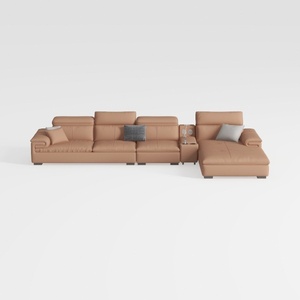
Modern Leather L-shaped Sectional Sofa With Throw Pillows 3D Model
Discover your home's potential with Homestyler! This intuitive online design platform offers a powerful design tool, stunning 3D renderings, and a wealth of DIY video tutorials. Transform your ideas into reality and elevate your interior spaces effortlessly—perfect for beginners and design enthusiasts alike!
Design Now for FREE