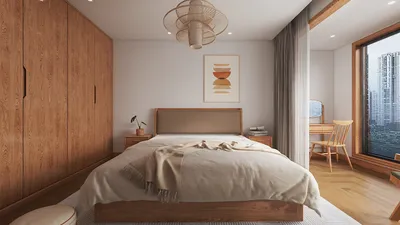


I once had a client who wanted her office infused with the scent of jasmine and a cozy nook for afternoon tea — I almost turned it into a mini tea salon rather than a workspace. This little diversion taught me that even minor choices (like a fragrance, shelving unit, or light fixture) can significantly impact how a woman interacts with and enjoys her office. For compact spaces, I typically opt for a streamlined office layout that balances aesthetics with practicality.
1. Soft, layered hues with bold accents
Starting with a gentle color palette — muted blush, soft sage, or warm gray — creates a refined backdrop for a feminine office. Incorporating one or two striking accents, such as deep teal or brass hardware, adds vibrancy. This approach has psychological benefits: soft shades promote calmness, while the brighter elements draw focus to key areas. The key challenge is to avoid overly busy patterns, so keep textiles simple and select one standout piece.
2. Curved furnishings to enhance flow
Utilizing curved desks and rounded shelving in a tight environment helps to create a smoother flow and makes the space appear more inviting. While they may cost slightly more than typical angular furniture, I've observed that a curved desk enhances movement in smaller offices and serves as an appealing background for video calls.
save pin
3. Multifunctional storage that also serves as decor
Employing open shelving, attractive boxes, and a dressing-style vanity can effectively conceal clutter while doubling as decorative displays. In a small attic office I redesigned, I included a built-in bench that cleverly stored files underneath — both stylish and highly functional; however, it’s crucial to ensure easy access to everyday documents to prevent them from becoming buried.
save pin
4. Thoughtful lighting and natural elements
Adequate lighting is essential: a combination of task, ambient, and accent lighting around art or plants gives the space a curated feel. I often choose a desk lamp, a warm pendant light, and incorporate a living plant or two; the challenge is to select low-maintenance plants if upkeep is not feasible.
save pin
5. Adaptive zones for focus and creativity
I frequently design a primary workstation along with a secondary nook for brainstorming or quick make-up touch-ups — multifunctional areas cater well to women's routines. In tight spaces, a fold-down table or slim chaise can serve as your creativity corner; careful planning is necessary to ensure that each zone has a defined purpose.
save pin
Tips 1:
Budget-friendly tip: begin with updating paint and hardware — these two changes can rejuvenate a room quickly. For layout ideas, I sketch several options before refining the most promising design using a simple model or mockup. To visualize the complete concept in 3D prior to making a commitment, consider utilizing a compact office layout tool like Homestyler to trial sightlines and dimensions.
save pin
FAQ
Q1: What colors are best suited for a feminine office?
A gentle neutral foundation paired with one or two vibrant accents works wonders; it remains calming yet personal. Stick to a maximum of three colors for cohesion and enhance depth with varied textures.
Q2: How can I create the illusion of more space in a small office?
Employ light-colored paint, vertical storage options, and reflective surfaces such as mirrors or glossy tabletops to enhance the perception of space. Keeping clutter out of sight and utilizing multifunctional furniture can also help the room appear more spacious.
Q3: Are ergonomic chairs essential for a home office?
Absolutely—ensuring comfort minimizes fatigue and boosts concentration. Investing in a chair that offers lumbar support is beneficial, even for shorter working periods; consider testing different options to find the best fit for your body.
Q4: How do I strike a balance between femininity and professionalism?
Combine feminine textures (like velvet or soft linens) with sleek lines and high-quality materials for a polished, intentional look. Choose one prominent decorative feature while keeping the rest of the space streamlined.
Q5: What lighting should take top priority?
Focus on task lighting at eye level and a warm ambient light source suitable for video calls and enhancing the atmosphere. Accent lighting highlights specific areas, while maximizing natural light is critical whenever possible for overall well-being.
Q6: What methods can I use to experiment with different layouts before making furniture purchases?
Carefully measure your space and use tape to outline footprints on the floor; this budget-friendly mockup approach can prevent costly errors. For more complex planning, creating a space-saving floor plan can assist in evaluating circulation and scale.
Q7: Do plants genuinely enhance productivity?
Indeed—studies indicate that biophilic design elements can alleviate stress and heighten attention in workspaces. Even a few low-maintenance plants, such as pothos or snake plants, can produce a significant impact.
Q8: What ergonomic principles should I adhere to?
Refer to guidelines from reputable sources like the CDC regarding workplace ergonomics: position your monitor at eye level, keep your feet flat, and remember to take regular breaks (see https://www.cdc.gov/niosh/topics/ergonomics/default.html). These straightforward modifications can reduce strain and enhance comfort throughout the day.
save pin
Homestyler is the ultimate online home design platform for anyone looking to transform their space. With its easy-to-use design tool, stunning 3D renderings, inspiring design projects, and helpful video tutorials, you can effortlessly bring your home vision to life—no experience needed!
Diseño ahora GRATIS
































