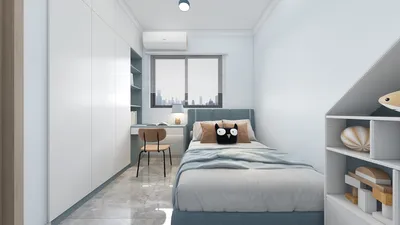


For years, I have focused on designing compact homes, and through my experience, I have come to understand how the right dog can seamlessly fit into an apartment lifestyle. When the characteristics of the breed, daily routines, and effective space planning are aligned, even smaller dogs can flourish in compact living spaces. While a dog's size is a factor, traits such as temperament, energy levels, and sound sensitivity are even more crucial. By selecting a suitable breed and maintaining thoughtful routines alongside a tranquil living environment, both pet owners and their dogs can enjoy urban life with ease.
The comfort of a dog in an apartment is greatly influenced by noise and movement patterns. Research from Steelcase indicates that acoustic disturbances can have a notable impact on humans, and the same principles apply to our furry companions—by effectively dampening sound, pet owners can mitigate overly reactive barking, especially in sensitive breeds. Additionally, the WELL v2 standards highlight the importance of environmental quality, showcasing a direct correlation between sound control and overall well-being, helping to create a serene atmosphere for both pets and their human counterparts. These insights underscore the value of a well-planned, quiet apartment in facilitating a peaceful coexistence for all residents.
The impact of color and lighting cannot be overlooked when considering behavior. According to guidelines from Verywell Mind, softer shades, such as muted blues and greens, are linked to calmness. Although dogs perceive colors differently than humans, our own emotional responses establish the atmosphere in our homes. A more serene environment created by calm individuals helps foster a similar demeanor in dogs. By following recommendations from the IES, combining ambient and task lighting with low-glare fixtures can prevent sharp contrasts that might unsettle smaller dogs moving between brightly lit areas and darker passages. Incorporating a tool like Homestyler can facilitate this planning, enhancing visual harmony within your home.
Optimal Small Breeds for Apartment Living
• Cavalier King Charles Spaniel: Known for their affectionate and gentle nature, Cavaliers are moderately active and adapt well to smaller living spaces. They typically have a soft bark. Simple daily walks and some light play are usually enough. Moderate grooming is necessary, with a particular focus on heart health.
• French Bulldog: These dogs are low-energy, people-oriented, and tend to bark minimally. Short, structured play sessions are most suitable; be mindful of heat sensitivity and avoid overexertion during warmer weather.
• Havanese: Cheerful and social, Havanese dogs are highly trainable and thrive in elevator living situations. Their low shedding combined with higher coat maintenance needs makes them ideal for sensitive households.
• Boston Terrier: Friendly and well-mannered indoors, Boston Terriers enjoy sporadic bursts of activity and can recover quickly. It's important to monitor their breathing during warmer months due to their short noses.
• Shih Tzu: These dogs are calm companions that adapt to routines effortlessly, making them perfect for owners who prefer indoor activities and frequent short walks. Regular grooming is vital for their upkeep.
• Pug: Known for their charming and affectionate personalities, Pugs are compact with modest exercise needs. It's essential to monitor their weight and temperature, while their humor and adaptability make them a great fit for city life.
• Italian Greyhound: Despite being sensitive, Italian Greyhounds are surprisingly calm indoors. They enjoy short outdoor sprints and are fond of snuggling. Providing them with warm, draft-free spaces is beneficial.
• Miniature Schnauzer: Intelligent and trainable, Miniature Schnauzers exhibit low shedding. Establishing consistent routines minimizes barking and allows for productive training sessions.
Prioritizing Temperament Over Size: The Key Consideration
My experience shows that a dog's quiet confidence and established routines often have greater importance than mere space availability. Dogs with moderate energy levels and excellent impulse control tend to manage sounds like hallway noises or elevator doors better. Ideal traits to consider are low barking tendencies, ease of training, and stable temperaments. Dogs that prefer human companionship and can quickly recover from stimulation, such as delivery knocks, are often the best choice for apartment living.
Effective Space Planning for Dogs in Compact Homes
When planning small living spaces, it’s essential to create distinct zones: a sleeping area, a play or training space, and a quiet retreat away from high-traffic areas. If you need to rearrange furniture to enhance a dog-friendly corridor and calm corner, utilizing a layout tool like Homestyler can aid in visualizing paths and furniture placement without making areas feel cramped.
• Create a serene nook: Position the dog bed in a location away from doors, shared walls, and frequently used routes to help minimize startled reactions.
• Opt for soft, washable textiles: Layer rugs to absorb sound and enhance grip on smooth floors, ensuring a confident footing for your dog.
• Offer vertical sights: Small platforms or low benches near windows allow dogs to observe outside without becoming overly reactive. Soft sheer curtains can buffer visual overstimulation.
Considerations for Light, Color, and Acoustics
• Lighting: Aim for diffuse, warm ambient lighting (around 2700–3000K) to promote relaxation in the evenings. Reduce glare on glossy floors to prevent anxious reactions in sensitive dogs.
• Color: Soothing palettes—like gentle greens, warm grays, and muted blues—contribute to a peaceful living environment. Bold colors can be introduced in moderation, contrasting with soft textures to maintain equilibrium.
• Acoustics: Utilize fabric panels, bookcases, and curtains to soften sound reflections. Adding door sweeps and rug pads can cut down hallway noise, reducing potential triggers for barking.
Daily Routines to Mitigate Indoor Restlessness
• Short, consistent exercise: Schedule two to three brief walks throughout the day to help small breeds manage their energy without becoming overwhelmed.
• Micro-training sessions: Spend 5 minutes on simple commands (like sit and stay) to boost confidence and curb boredom-related barking.
• Enrichment activities: Use snuffle mats, puzzle feeders, and scent games to engage their intellect with minimal spatial requirements.
• Quiet time: Establish calming rituals—such as dimming lights, playing soft music, and maintaining a consistent bedtime—to signal relaxation for your pet.
Etiquette for Apartment Living with Dogs
• Desensitize to door knocks: Pair sound recordings with treats to encourage neutral reactions during sudden noises.
• Manage elevator experiences: Ensure your dog remains at the far end of your body from opening doors and reward calm, relaxed behavior.
• Departure routines: Develop short, consistent goodbyes to minimize separation anxiety and maintain low vocal activity.
Material Choices and Maintenance Considerations
Select durable, easy-clean materials. Performance fabrics with closely woven threads can withstand snagging from small nails. Opt for removable cushion covers and machine-washable throws to simplify when it comes to cleaning. For flooring, consider applying matte finishes to reduce glare and slipping hazards. Keep pet grooming tools organized and wipe paws at the entrance to minimize dirt accumulation.
Ensuring Health and Comfort for Smaller Breeds
Small dog breeds often have sensitive joints and specific temperature requirements. Providing supportive beds with bolsters ensures neck comfort, while keeping resting areas free from drafts is essential. Maintaining climate control is vital, particularly for brachycephalic breeds like French Bulldogs and Pugs. Regular veterinary checkups and weight management are key to avoiding activity-related health issues in compact living environments.
Adoption and Compatibility Evaluation
When considering a dog for your apartment, introduce them to a calm environment and simulate common triggers—such as knocking or the sound of an elevator. Observing their reaction to these stimuli can provide insights; a dog that returns to a calm state quickly is often a good match. Inquire with rescues about any foster notes related to barking behavior and tolerance of staying alone.
Quick Breed-to-Lifestyle Match Tips
• Home office friendly: Cavalier King Charles Spaniel and Havanese
• Post-gym lifestyle compatibility: Boston Terrier and Miniature Schnauzer
• Low-energy evening companions: French Bulldog, Shih Tzu, and Pug
• Quiet companions who enjoy short outdoor sprints: Italian Greyhound
Frequently Asked Questions
Q1: Are toy breeds always the best option compared to small terriers for apartments?
A: Not necessarily. Some toy breeds display calmness, but many terriers possess higher alertness and vocal tendencies. Assessing an individual dog’s personality and training background is more reliable than solely considering breed category.
Q2: How much exercise do small apartment dogs typically require?
A: Generally, most small breeds thrive with about 45–60 minutes of exercise daily, broken into brief walks and indoor playtime. This can be adjusted based on the dog’s age, health, and energy levels.
Q3: What type of lighting promotes relaxation for dogs in the evening?
A: Warm, low-glare lighting around 2700–3000K creates a calming atmosphere. Layer ambient lighting with dimmable fixtures to prevent harsh contrasts that may disturb sensitive dogs.
Q4: Which breeds tend to be the least reactive to hallway noises?
A: French Bulldogs, Cavaliers, and Shih Tzus often exhibit lower reactivity to corridor sounds, provided they are on consistent routines and engage in gentle desensitization training.
Q5: What strategies can minimize barking in apartments with thin walls?
A: Employ sound-absorbing materials, like rugs and curtains, in combination with positive reinforcement training techniques to manage noises from door knocks or footfalls. Rewarding calm behavior and using sheer curtains can also help reduce visual distractions.
Q6: Is crate training suitable for small apartments?
A: Yes, as long as the crate is used appropriately as a safe retreat rather than as a means of punishment and is sized correctly. It should be positioned away from high-traffic zones and drafts.
Q7: What materials best suit pet-friendly furniture?
A: Fabrics with tight weaves, like microfiber and leather with matte finishes, are ideal as they resist snagging and are easy to clean. Look for removable couch covers and machine-washable throws for straightforward maintenance.
Q8: How should I decide between adopting a puppy or an adult dog?
A: Adult dogs express their baseline temperament and barking behaviors, providing greater clarity for apartment living. Puppies, while adaptable, may require more extensive training and time to adjust.
Q9: Are brachycephalic breeds fine in warm apartments?
A: Yes, provided there’s careful management of their environment, including climate control, short walks during cooler periods, and avoiding strenuous play. Always monitor their breathing and ensure they have a cool resting area.
Q10: What can help address separation anxiety in small spaces?
A: Implement short absences gradually, utilize puzzle feeders during alone times, and avoid overly enthusiastic greetings upon your return. Taking time with desensitization to pre-departure signals is effective too.
Q11: Does the color scheme of my living room have an impact on my dog?
A: Indirectly, yes. Calming color palettes assist in human stress regulation, which ultimately helps create a more peaceful environment for dogs. Softer tones and textures foster a visually soothing atmosphere.
Q12: How can I effectively set up a small training zone while avoiding clutter?
A: Designate a 4–6 ft area near a wall with a non-slip rug and a small storage basket for treats and toys. Keeping this area consistent will help your dog recognize that it is their training space.
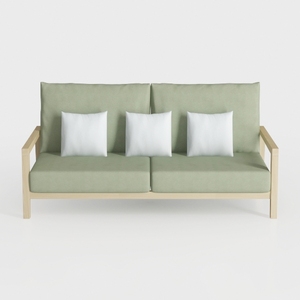

Minimalist Solid Wood Light Green Fabric Loveseat Sofa 3D Model
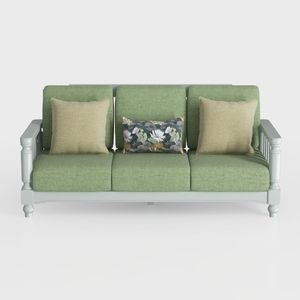
Modern Fabric Wooden Frame Three Seater Sofa 3D Model
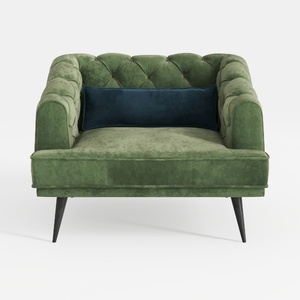
Modern Green Velvet Tufted Armchair with Accent Pillow 3D Model
Elevate your home design experience with Homestyler! This user-friendly online platform offers an intuitive design tool, stunning 3D renderings, inspiring design projects, and helpful DIY video tutorials—all at your fingertips. Transform your vision into reality effortlessly!
立即免费设计
































