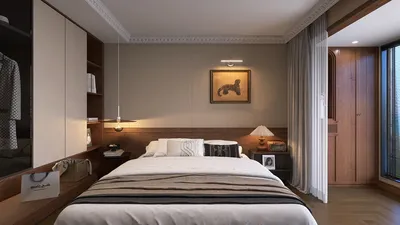


Designing a 3D fighter jet model can be both a demanding and fulfilling endeavor, suitable for enthusiasts, students, or professionals in the animation and simulation realm. The task integrates creative vision, technical ability, and careful planning—similar to arranging a stunning living room setting or optimizing natural light within a small area. Below is a comprehensive guide outlining the workflow, software selections, and vital tips for creating a sophisticated digital fighter jet using tools like Homestyler to enhance your design process.
Advice 1:
1. Collect Reference Materials
Begin your project by gathering comprehensive reference images and schematics of the fighter jet model you aim to recreate. Seek out side, top, front, and perspective views. Just as in interior design, having clear references from various angles is crucial for precise planning.
2. Select the Appropriate Software
Some popular tools for 3D modeling are Blender (which is free and open-source), Autodesk Maya, 3ds Max, or SketchUp. Each software comes with distinct features; for instance, Blender is celebrated for its versatility, while Maya is renowned for its capabilities in animation rigging.
3. Define Basic Shapes
Initiate your modeling process by outlining basic geometric forms (like cylinders and boxes) that represent key sections (the fuselage, wings, cockpit). This step mirrors establishing a room layout before curating decor in interior design—ensuring accurate proportions and spatial relationships right from the start.
4. Enhance and Detail Your Model
Gradually incorporate intricate features such as canopy frames, air intakes, winglets, and landing gear. Employ techniques like edge loops, extrusion, and subdivision surfaces to add depth while maintaining clean geometry.
5. UV Unwrap and Apply Textures
Ensure your model is properly unwrapped to prevent texture distortion. Use high-resolution images to apply textures to the jet, focusing on panel lines, insignias, and weather effects. Consider lighting and surface finishes—techniques which you can easily visualize using Homestyler to mimic how light interacts with surfaces, just as you would when planning a room.
6. Render Your Model
Place your model in an engaging environment and configure camera angles and realistic lighting for the rendering process. Designers often utilize a 3D home visualization tool like Homestyler to see how lighting affects surfaces; this principle is equally applicable in aircraft visualization to achieve realism.
7. Export and Publish
Export your completed model in formats that suit your requirements—such as OBJ, FBX, or STL for 3D printing. Share your results, or incorporate them into animation engines, simulations, or even VR environments.
Common Questions
Q: What is the optimal 3D modeling software for creating a fighter jet?
A: Blender is highly recommended for both beginners and experienced users due to its extensive toolset and supportive community, while Maya and 3ds Max boast advanced functionalities for detailed modeling and animation.
Q: How long does it generally take to create a 3D fighter jet model?
A: The duration can vary based on the model's complexity and the artist's expertise—basic models might take just a few hours to create, while highly detailed models with intricate textures could take days or even weeks.
Q: Are there any free resources for fighter jet blueprints?
A: Yes, various online archives and aviation enthusiast forums offer blueprints, including The-Blueprints.com and dedicated aircraft modeling communities.
Q: Can I 3D print my completed fighter jet model?
A: Certainly. Simply export your model as an STL file and prepare it using slicing software. Make sure your model is manifold (watertight) for optimal printing results.
Q: What skills are crucial in 3D modeling for aircraft?
A: Key skills include attention to proportion, clean topology, proficiency with modeling tools, and a keen eye for textures and materials—similar to the expertise needed to design a cohesive and inviting room using tools like Homestyler.
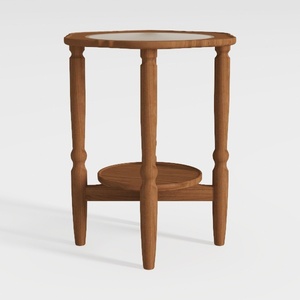

HOOBRO Small Round Side Table with Charging
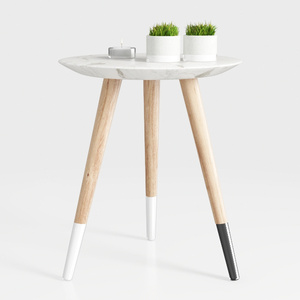
Round End Table - 2-Tone Mid-Century Modern Home
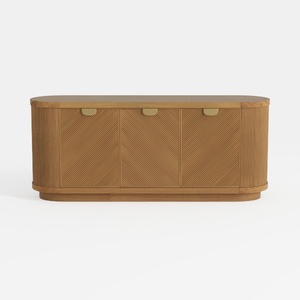
Modern Minimalist Solid Wood Fluted Sideboard with Brass Accents 3D Model
Transform your home design dreams into reality with Homestyler! This user-friendly, online platform offers a powerful design tool, stunning 3D renderings, and an array of inspiring design projects and video tutorials. It's the perfect resource for both beginners and experienced designers looking to create their ideal space!
지금 무료로 디자인하세요
































