


The smooth endoplasmic reticulum (SER) plays a vital role in eukaryotic cells, facilitating lipid production, detoxification, and calcium storage. Visualizing its intricate tubule network can be complex, but creating a detailed 3D representation can simplify this understanding. By utilizing tools like Homestyler, you can create a 3D model of the SER that serves educational, research, or design purposes. Here’s a step-by-step breakdown to guide you in constructing your 3D model of the smooth endoplasmic reticulum:
As a designer, I frequently contemplate not only the recreation of biological structures but also how their organic shapes can inspire architectural elements or 3D visualizations for interior spaces. Organic forms reminiscent of the SER can impart a futuristic elegance to design—ideal for fluid room dividers, artistic lighting fixtures, or stunning ceiling designs. The smooth, branching network can create a distinctive spatial flow that harmonizes natural inspirations with contemporary living.
Tips 1:
When designing your 3D model, consider scalability. This ensures that the design can be adjusted for both microscopic biology presentations and larger interior applications, especially if you aim to incorporate biomimicry into your educational or living environments.
FAQ
Q: What distinguishes smooth from rough endoplasmic reticulum in modeling?
A: The smooth ER is devoid of ribosomes, providing a sleek appearance, whereas the rough ER is characterized by a bumpy texture. When modeling the SER, concentrate on creating seamless tubules.
Q: Which software is most suitable for beginners when crafting a 3D model of the SER?
A: Tinkercad and Blender are excellent choices for newcomers, providing user-friendly tools for organic modeling.
Q: Can a 3D representation of the SER be beneficial in classroom environments?
A: Definitely. 3D models greatly enhance visual learning, allowing students to comprehend cellular structures with greater ease.
Q: What measures can I take to ensure my SER 3D model is scientifically accurate?
A: Utilize actual cell micrographs as references, emphasize smooth, interconnected tubules, and refrain from including ribosome-like features or textures in your design.
Q: Are there online platforms where I can find pre-made 3D SER models?
A: Yes, many biology education repositories and 3D model libraries offer both free and premium cellular component models available for download and modification.
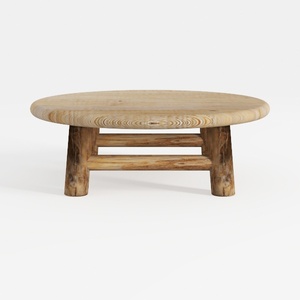

Rustic Solid Wood Round Coffee Table 3D Model

Minimalist Japandi Rattan Solid Wood Room Divider 3D Model

Modern Solid Wood Brass Accent Single Drawer Coffee Table 3D Model
Homestyler is your go-to online home design platform, perfect for anyone looking to transform their space. With its easy-to-use design tool, stunning 3D renderings, and a wealth of DIY video tutorials, you’ll find all the inspiration and resources you need to create your dream home effortlessly.
Concevez maintenant gratuitement
































