

Constructing a 3D representation of the human liver can be an easy endeavor, enabling medical students, educators, and researchers to better visualize complex anatomical structures. Regardless of whether you opt for dedicated modeling software or online solutions, the fundamental process remains largely unchanged. Initially, gather high-quality anatomical images or diagrams of the liver. Next, select a modeling platform; you can use free tools such as Blender, Tinkercad, or other specialized anatomical visualizers that are quite effective. Import your reference materials and utilize basic modeling features to outline the liver's lobes, blood vessels, and distinct surface characteristics. Employ sculpting techniques, extrusion, and mesh manipulation tools to enhance the model's shape. When finished, apply realistic textures while ensuring that the scale is accurate. For those eager to expand their skills, tools like Homestyler, which specialize in interior design, also support creating organic shapes, illustrating how interior modeling strategies can be beneficial for anatomical 3D representations.
Tips 1:
For those familiar with design tools in interior settings, consider applying 3D rendering techniques to create medical models. Playing with lighting, texture mapping, and layering can significantly enhance the realism and educational value of biological representations.
FAQ
Q: Which software is most suitable for developing a 3D liver model?
A: Popular general-purpose options include Blender, Autodesk Maya, and Tinkercad. Medical professionals may prefer platforms like ZBrush or BodyParts3D for more specialized anatomical modeling tasks.
Q: Do I require professional expertise to create a 3D organ model?
A: Not at all! Many tools feature user-friendly tutorials designed for beginners. Start with basic shapes and progressively incorporate more intricate details.
Q: Is it permissible to use free images as references for my model?
A: Absolutely! Numerous educational resources and public-domain medical diagrams are accessible online for reference purposes.
Q: How precise can DIY 3D liver models be?
A: DIY models can achieve high levels of accuracy, especially when based on verified anatomical references and careful attention to proportions.
Q: Can I export my liver model for use in various applications?
A: Yes, the majority of modeling software allows for exporting files in formats such as STL, OBJ, or FBX, which are compatible for 3D printing or incorporation into educational materials.
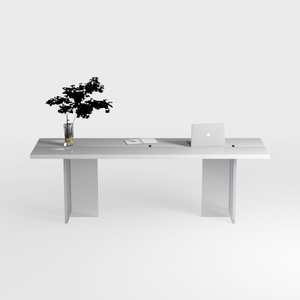
Messenya 47-Inch Office Desk with Pull-Out Outlet,

Minimalist Black Metal Solid Wood Height Adjustable Standing Desk 3D Model
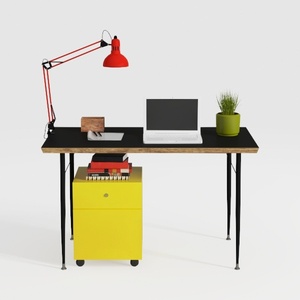

ProTuning Scrivania MICKE, 105x50 cm, antracite/rosso
Discover your creative side with Homestyler! This online home design platform offers an intuitive design tool, stunning 3D renderings, and a wealth of DIY video tutorials. Perfect for all skill levels, it empowers you to transform your ideas into beautiful living spaces effortlessly!
Desain sekarang Gratis
































