


Developing a 3D representation of the endocrine system presents an exciting opportunity to deepen comprehension of this essential network of glands and hormones. Whether you're a student, educator, or simply passionate about anatomical science, constructing a physical or digital model can significantly aid in visualizing the anatomical positions and their interrelationships. Here’s a step-by-step guide to take on this project effectively:
As a designer, I tackle anatomical modeling similarly to how I approach 3D home design projects: prioritizing accuracy and visual appeal. The process of creating a 3D model—whether digital or physical—necessitates careful attention to perspective, proportions, and user-friendly navigation. With digital modeling platforms like Homestyler, you can quickly iterate on designs, adjust scales, and even incorporate animations, making the software particularly beneficial for educational purposes. Utilizing these methodologies effectively transforms a diagram from a textbook into an engaging 3D visualization.
Tips 1:
When utilizing digital tools, commence with simple geometric shapes and progressively add details. For physical models, using modular components enables rearrangement and simplifies identifying each gland. Ensure anatomical precision by consulting reputable references or seeking guidance from educators and professionals in the anatomy field.
FAQ
Q: What software should I use to build a 3D model of the endocrine system?
A: Some popular software choices are Blender, TinkerCAD, SketchUp, and medical modeling tools. Each option offers functionalities for sculpting, labeling, and rendering various organ shapes.
Q: Is it possible to use 3D printing to create a physical model of the endocrine system?
A: Certainly! Once you've digitally designed your model, you can export it in a compatible format (like .STL) for 3D printing, using colored filaments to enhance clarity.
Q: How can I ensure that my 3D model is anatomically accurate?
A: Refer to medical textbooks, anatomical guides, and verify your work with the help of educators or professionals in the anatomy sector to ensure reliability and accuracy.
Q: What educational advantages does creating a 3D endocrine system model offer?
A: Engaging in hands-on modeling enhances spatial awareness, improves memory retention, and caters to visual and kinesthetic learning preferences, simplifying the acquisition of complex concepts.
Q: Can interactive 3D models be utilized in online learning environments?
A: Of course! Digital models can be exported and shared online through learning management systems, augmented reality/virtual reality platforms, or interactive websites, facilitating remote learning and cooperation.
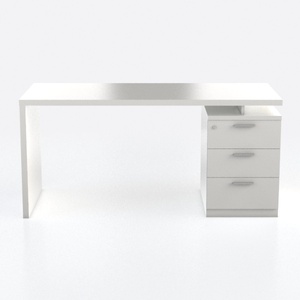
Minimalist White Solid Wood Office Desk With Storage Drawers 3D Model
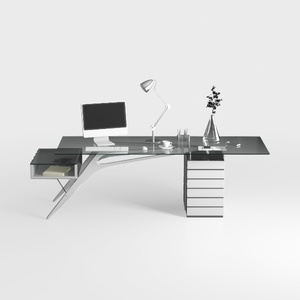
Modern Glass Top Metal Frame Office Desk 3D Model
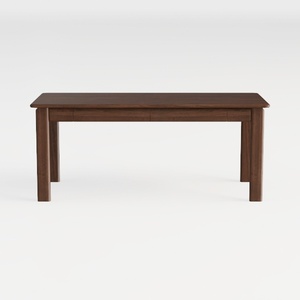

SAFAVIEH Home Collection Reid Walnut Computer Tabl
Transform your home design dreams into reality with Homestyler! This user-friendly online platform offers an intuitive design tool, stunning 3D renderings, inspiring design projects, and helpful video tutorials. Perfect for both beginners and seasoned decorators, it's your go-to solution for creative home design.
Projete agora para LIVRE
































