


Constructing a 3D model of glucose serves as an excellent visual tool for comprehending the molecular architecture of glucose, particularly beneficial for students and instructors involved in biology, chemistry, or related disciplines. Engaging in this practical activity allows you to observe the bonding and organization of atoms in a three-dimensional environment. In this guide, I will outline various approaches for creating a 3D glucose model, from simple DIY techniques to sophisticated digital rendering, while emphasizing how design thinking can significantly boost the educational experience and visual attractiveness of your model, incorporating tools like Homestyler for more advanced presentations.
Method 1: Crafting a Physical Model with Everyday Items
Method 2: Utilizing Digital 3D Modeling Applications
Method 3: Downloadable 3D Models for Printing
As a designer, I often suggest evaluating the model’s shape and color selections to improve comprehension. For classroom environments or presentations, aspects like scale and color differentiation are essential; opt for vibrant, contrasting colors and a model size that is easily discernible to your audience. When exploring digital options, consider interactive features that enable viewers to rotate and dissect the model. For those drawn to crafting more intricate spatial designs or establishing rooms for scientific displays, employing a 3D Floor Planner such as Homestyler can be a remarkable asset in visualizing layouts for educational environments or laboratories where learning and modeling occur.
Tips 1:
To enhance durability and lifespan, particularly in educational contexts, protect your handmade 3D glucose models with a clear sealant, or opt for more robust materials like air-dry clay or plastic spheres. When engaging with digital models, utilize VR or AR technologies for in-depth exploration of the molecular structure.
FAQ
Q: What characterizes the structure of a glucose molecule?
A: Glucose is a monosaccharide represented by the molecular formula C6H12O6. It generally appears in a cyclic structure featuring six carbon atoms, together with oxygen and hydrogen arranged in a defined order.
Q: How does a 3D model improve understanding compared to a 2D representation of glucose?
A: 3D models enhance spatial awareness, showcasing the arrangement of atoms and bonds far more effectively than flat diagrams, thus improving insight into molecular geometry and chemical interactions.
Q: What alternative household items can I use apart from Styrofoam balls to construct the model?
A: Alternatives include clay, beads, marshmallows, or even small paper balls to represent atoms, while straws, sticks, or pipe cleaners can function as bonds between the atoms.
Q: Are there any free digital platforms available for creating a 3D glucose model?
A: Absolutely, platforms like Tinkercad, Avogadro, and MolView are accessible and user-friendly resources for designing and visualizing 3D molecular forms.
Q: In what ways can I utilize a 3D glucose model in educational settings?
A: The model can serve as a hands-on or visual tool that aids in explaining molecular structures, chemical bonds, and their biological importance, making lessons more interactive and impactful.

Modern Glass Metal Round Dining Table 3D Model
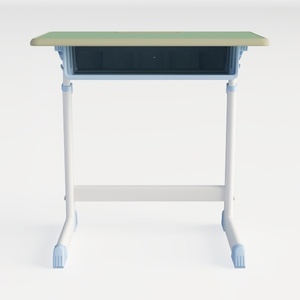
Modern Adjustable Metal Plastic Student School Desk 3D Model
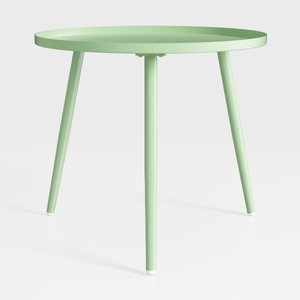
Minimalist Mint Green Metal Round Side Table 3D Model
Homestyler is your go-to online home design platform, perfect for bringing your ideas to life! Enjoy its user-friendly design tool, stunning 3D renderings, and a wealth of creative design projects. Plus, with engaging DIY tutorials, transforming your space has never been easier or more inspiring!
Design Now for FREE
































