


Constructing a three-dimensional food pyramid is an excellent method to represent healthy eating practices, serving both educational and decorative functions. Begin by assembling your required materials: cardboard or foam board for the structure, colorful paper or paint, adhesive, scissors, and various food images. Start by cutting four triangular faces and a square base to form the pyramid. Secure these pieces together to create a sturdy 3D structure. Segment each face into horizontal layers that signify the food categories—grains at the bottom, next fruits and vegetables, followed by proteins and dairy, with fats and sweets positioned at the peak. Embellish each segment with printed food pictures or artistic illustrations, ensuring that each category is clearly labeled. This approach not only illustrates nutritional balance but also makes the model appealing to audiences of all ages.
Suggestions 1:
As a designer, I recommend that you incorporate your 3D food pyramid into a learning environment, such as a kitchen or dining space. If you are exploring more interactive or digital design projects, utilizing a 3D floor planner could enhance your visualization of how such models align with your room's layout, ensuring a harmonious blend of aesthetics and functionality.
Frequently Asked Questions
Q: Which materials are ideal for constructing a robust 3D food pyramid?
A: Thick cardboard or foam board offers a solid foundation, while colored paper or clay can be utilized for intricate decorations.
Q: How can I enhance the educational aspect of my food pyramid model for children?
A: Incorporate vivid colors, clear labels, and interactive components, such as detachable food images, to engage young learners.
Q: Is it possible to use digital tools for designing a food pyramid?
A: Indeed. Numerous design platforms, including 3D modeling software, enable you to create virtual representations before executing a physical build, which can be supplemented by tools like Homestyler for enhanced visualization.
Q: How should I arrange the sections within my food pyramid?
A: Organize the sections according to established dietary recommendations, which typically start with grains at the base, followed by vegetables, fruits, proteins, dairy, and lastly fats/sweets at the top.
Q: What educational benefits does constructing a 3D food pyramid model offer?
A: It visually emphasizes healthy eating habits and aids in grasping concepts like portion control and dietary diversity.
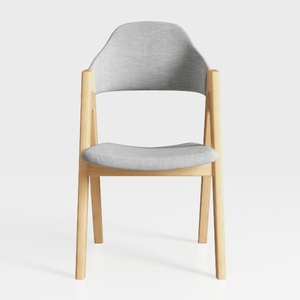

Minimalist Solid Oak Fabric Upholstered Dining Armchair 3D Model

Lexicon Savry 73" W Fabric Wood Arm Sofa, Orange
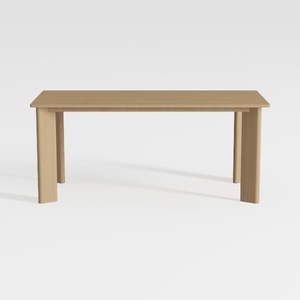
Minimalist Solid Oak Dining Table 3D Model
Homestyler is your go-to online home design platform! With its user-friendly design tool, stunning 3D renderings, and a wealth of DIY video tutorials, you can effortlessly create and visualize your dream home. Whether you're a beginner or a seasoned designer, Homestyler inspires creativity in every project!
Design Now for FREE
































