

Constructing a 3D representation of a bacterial cell provides an excellent opportunity to explore and comprehend the various elements and functions of these microscopic entities. Whether you are an educator, a student, or simply a science aficionado, creating a digital or physical model can help translate abstract ideas into concrete forms. Start by investigating typical structures found in bacterial cells, including the cell wall, cell membrane, cytoplasm, ribosomes, genetic material (DNA), and additional features like flagella and pili. For a digital model, consider utilizing specialized design tools or software such as Homestyler, or for a tangible version, everyday materials like clay, foam, and colored paper are very effective.
As a designer, I have realized that visualizing the spatial arrangement within a bacterial cell is quite similar to creating a practical floor plan for a room. Each element serves a unique purpose, and accuracy is crucial—similar to how you convert a blueprint into a livable space. If your task demands digital precision or interactive capabilities, employing a 3D Floor Planner like Homestyler can significantly enhance your project. These resources allow you to adjust, resize, and label each cell component, aiding in the depiction of both the physical structure and the dynamic interactions that occur within.
Tips 1:
Make sure to clearly label each component to facilitate learning. Using color to differentiate various cell structures—like assigning a unique hue to the cell wall or highlighting the flagella—improves clarity and adds visual appeal. For more advanced creations, consider using movable components or layers that reveal cross-sections of the cell. If pursuing a digital format, explore rendering tools and lighting effects to animate your model, showcasing intricate details.
FAQ
Q: What key elements should I include in a bacteria cell model?
A: The essential elements are the cell wall, cell membrane, cytoplasm, ribosomes, genetic material (DNA), and potentially flagella, pili, or a capsule, depending on the specific type of bacterium.
Q: Is it possible to create a bacteria cell model using common household items?
A: Definitely! Usual materials like clay, foam balls, pipe cleaners, and colored paper work wonderfully for building different cell structures.
Q: Which digital platforms can assist with creating a bacteria cell 3D model?
A: You can utilize 3D modeling applications such as Blender, Tinkercad, or other software geared towards scientific visualization. Additionally, user-friendly planners like Homestyler allow for accurate spatial representation.
Q: How can I make my bacteria cell model more engaging for viewers?
A: Incorporate interactive features—such as layers showing internal structures, movable flagella, or textured elements—to boost engagement and learning.
Q: Why is scale a critical consideration when constructing a bacterial cell model?
A: Keeping proportions accurate among the various cell components enhances the realism of your model and effectively illustrates real-life relationships, akin to design projects.

dining chair-Feb.Chen-in

Minimalist Walnut Round Dining Table 3D Model
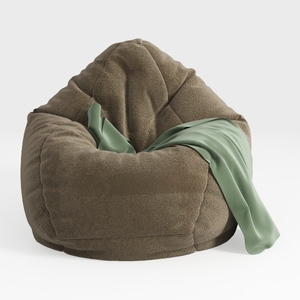
Minimalist Fabric Bean Bag Chair Cozy Lounge 3D Model
Homestyler is your go-to online home design platform! With its easy-to-use design tool, stunning 3D renderings, and a wealth of inspiring design projects and video tutorials, you'll effortlessly bring your interior visions to life. Transform your space today with Homestyler!
Дизайн сейчас бесплатно
































