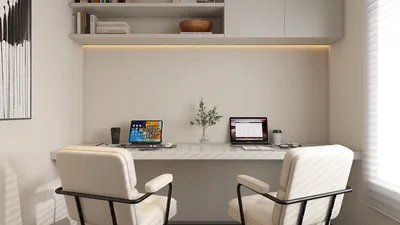


Creating a cozy space is not simply by chance; it’s a thoughtful arrangement of light, texture, sound, and aroma. When enhancing the atmosphere of my home, I often rely on room freshener oils, which play a subtle but crucial role in connecting comfort, memory, and daily life. The impact of scent on emotions and memories is profound, with research highlighted by Verywell Mind indicating that lavender promotes relaxation, while citrus scents can elevate energy levels and alertness. Moreover, the WELL Building Standard emphasizes the importance of indoor air quality and materials for occupant health, reminding us to ensure that fragrance enhances healthy ventilation as opposed to masking inadequate air quality (WELL v2).
Research indicates that environmental quality significantly influences mood and performance. A study by Steelcase reveals a direct link between workplace wellness and sensory elements like light and sound, which reflects what I observe in residential settings: cultivating a harmonious multisensory environment can lead to enhanced calmness and focus. WELL v2 also highlights the importance of managing odors and utilizing low-VOC options, guiding the selection of fragrance oils that won’t introduce unnecessary irritants. I prefer sourcing oils that are phthalate-free and specifically designed for indoor applications, always ensuring to integrate them with fresh air cycles and proper filtration.
How Scents Influence Perception and Comfort
Scent plays a significant role in guiding behavior. For instance, citrus blends can invigorate your mornings, while gentle floral and herbal fragrances can help ease the transition from work to relaxation in the evening. Furthermore, color psychology often enhances this experience—soft, neutral tones along with warm lighting (ranging from 2700–3000K) can amplify a cozy atmosphere, whereas cooler light (3500–4000K) can sharpen citrus and mint profiles. Managing glare is crucial as well; employing dimmable and diffused light fixtures prevents sensory conflict with delicate fragrances.
Choosing the Ideal Room Freshener Oil
I evaluate options based on three criteria: composition, note structure, and intended purpose. Composition involves selecting cosmetic-grade or home fragrance oils that are phthalate-free and suitable for use in diffusers or reed systems. Note structure involves a well-balanced fragrance pyramid (top, heart, base) for longevity and smooth transitions—citrus top notes provide uplift, while floral and herbal heart notes deliver character, and earthy woods or ambers add lasting depth. Purpose dictates using energizing blends like grapefruit, bergamot, and mint in workspaces, and calming fragrances like lavender, chamomile, or neroli in bedrooms. If you’re integrating scent with spatial planning—considering circulation paths, adjacent areas, and seating arrangements—testing diffuser placements in areas where airflow is gentle rather than near drafts from doors or HVAC systems is key. For visualizing spaces and flow, utilizing a layout simulation tool from Homestyler can assist in strategically positioning fragrance elements alongside lighting and seating.
aroma layout tool
Methods of Diffusion: Advantages, Disadvantages, and Best Applications
• Ultrasonic diffusers: Combine water with a few drops of oil for subtle, consistent diffusion. Advantages include being quiet and adjustable, plus they slightly humidify the air. Disadvantages involve the need for regular cleaning and less effectiveness in larger spaces.
• Nebulizing diffusers: Use pure oil without water, resulting in strong output and quick fragrance saturation. Advantages are rapid effects and true scent representation, while disadvantages include higher oil consumption and the need for moderation in smaller areas.
• Reed diffusers: Stylish, low-maintenance, and passively diffusing. The advantage is consistent background scenting; however, they offer less control and require weekly reed flipping for optimal diffusion.
• Ceramic or stone diffusers: Minimalist designs that are safe to place near soft furnishings. They provide gentle, localized scenting, although they are better suited for smaller areas like nooks and bedside tables.
• Linen and room sprays (either oil-based or water-based): These offer an immediate change in mood. Advantages include precise targeting, but their lifespan is shorter, and caution is needed to avoid delicate fabrics.
Strategic Placement: Establishing Scent Zones
I design scent zones similarly to how I design lighting layers. For the entryway, fresh citrus or fig can create a bright, welcoming atmosphere. In the living room, opt for warm woods, amber, or soft floral scents to enhance conversation and relaxation. In the kitchen, utilize green herbal notes (such as basil or rosemary) that complement cooking aromas instead of conflicting with them. For bedrooms, lavender, neroli, or sandalwood can promote a calming environment, while a home office can benefit from mint or grapefruit positioned near the edges rather than right at the desk to prevent overwhelming the space with scent. Placement should avoid direct location near supply vents or in narrow corridors where fragrances might accumulate. For more complex floor plans, it’s beneficial to visualize airflow and traffic patterns prior to diffuser placement; utilizing the interior layout planner from Homestyler can greatly assist in analyzing diffuser locations relative to furniture and return air vents.
spatial layout planner
Dosing, Timing, and Safety Considerations
I adhere to a simple guideline: start with lower concentrations and gradually increase. For ultrasonic diffusers, I recommend beginning with 3–5 drops for a 100–200 mL reservoir; for nebulizers, shorter cycles of 10–15 minutes should suffice for smaller rooms. Daily ventilation is crucial; WELL v2 prioritizes the introduction of fresh air and source control, meaning scents should never be used to mask persistent odors. Oils should be kept out of reach of pets and children, as certain essential oils (like tea tree and eucalyptus) can be irritants—always consult with your veterinarian for specific guidance. For reed diffusers, start with 5–6 reeds and rotate weekly, adding more only as needed based on room size.
Harmonizing Light, Acoustics, and Material Choices
Creating a cozy environment is a multisensory dedication. Combine warm fragrance families with dim, warm lighting during the evening, while minimizing hard-surfaced materials to keep the acoustics soft. Research from Steelcase and Herman Miller emphasizes that reducing distractions—such as glare, loud sounds, and harsh finishes—can foster comfort and focus, and my experiences in residential design align with these findings. The choice of materials is essential; natural fibers and textured finishes can absorb sound while reinforcing the emotional tone conveyed by aromas. For instance, a rich amber scent resonates beautifully against walnut compared to high-gloss white, while peppermint feels sharper and fresher next to cool stone or brushed metal.
Sustainability and Indoor Air Quality Considerations
When selecting oils, always choose products from reputable manufacturers that are transparent about IFRA compliance and allergens. Opt for low-VOC bases and avoid overly heavy solvents. Combine your fragrance application with regular filter maintenance and periodic airing of windows. The emphasis of WELL v2 on ventilation and pollutant reduction serves as an excellent guideline: prioritize healthy building practices before layering scents for experiential enhancement rather than remediation.
Integrating Scents into Daily Routines
Coordinate fragrances with your daily rhythms: a brief burst of citrus during your morning stretching routine, herbal notes wafting through the kitchen while preparing dinner, and a hint of lavender as you settle down with a book at night. Scent serves as an anchor for routines; frequent soft cues calm the nervous system and create an emotionally stable environment. I maintain a compact tray of oils organized by activity zones, each labeled for specific times of day, which helps prevent overwhelming with scent and fosters a comforting rhythm in the home.
Care and Maintenance Tips
To maintain ultrasonic diffusers, I recommend cleaning them weekly with a gentle vinegar-water solution to prevent buildup. Consult the manufacturer’s instructions for nebulizers. Store oils in dark glass bottles, kept cool and away from direct sunlight, and rotate them seasonally to keep the aromas fresh. Reeds should be replaced every few months; if any scent becomes too strong, reduce the amount used, reposition the diffuser, or switch to a more subtle base note.
Scent Profiles: Effective Combinations for Cozy Ambience
• Lavender + vanilla: comforting and familiar, perfect for bedrooms.
• Amber + sandalwood: warm and enveloping, ideal for living rooms.
• Bergamot + grapefruit: bright and refreshing, great for entryways and daytime activities.
• Neroli + petitgrain: elegant and calming, bridging the day beautifully into the evening.
• Cedar + vetiver: grounded and woody, matching well with textured materials and soft light.
Frequently Asked Questions
Q1: Which is better for home use: fragrance oils or essential oils?
A: Both options are effective. Essential oils provide natural aromas but can be potent and require careful dosing, while fragrance oils can be mixed for stability and reduced allergens. Whichever you choose, look for phthalate-free and IFRA-compliant products.
Q2: How many drops of oil should I add to an ultrasonic diffuser?
A: Begin with 3–5 drops per 100–200 mL of water and adjust as needed. Smaller rooms will need less; open layouts may require 6–8 drops if properly ventilated.
Q3: Which scents are best for relaxation?
A: Lavender, chamomile, sandalwood, and gentle ambers are classics. Research from Verywell Mind confirms lavender’s calming associations, a finding that resonates across my projects.
Q4: Can scents mask cooking odors?
A: Scents can mitigate odors but should not replace proper ventilation. Use range hoods and fresh air first, then layer green herbs like basil and rosemary to complement the cooking aromas without clashing.
Q5: Where should I position diffusers in an open living space?
A: Locate them near seating areas and away from direct supply vents. It’s important to visualize airflow and movement; a layout simulation can aid in finding the best diffuser placements without overwhelming scent in peripheral zones.
Q6: How do lighting and fragrance interact?
A: Warm, dim lighting enhances cozy scents like vanilla and amber, while cooler lighting sharpens the profiles of fresh aromas like mint and citrus. Keeping glare to a minimum helps prevent sensory fatigue.
Q7: Are fragrance oils safe for animals?
A: Certain oils can irritate pets, so ensure diffusers are placed out of reach, ventilate properly, and verify species-specific safety with a veterinarian before use.
Q8: What’s the best method to prevent headaches due to scents?
A: Use light doses, choose low-VOC oil options, ensure good ventilation, and avoid continuous high-intensity diffusion. If you're sensitive, stick to single-note or hypoallergenic blends.
Q9: How long should a nebulizing diffuser operate?
A: Aim for brief sessions—about 10–15 minutes in small spaces and consider intermittent runs for larger areas.
Q10: Is it feasible to blend oils?
A: Yes, blending is encouraged. Build your combinations using a top-heart-base format: citrus for brightness, floral/herbal for richness, and wood/amber for lasting impressions. Conduct small tests before committing to larger mixtures.
Q11: What maintenance keeps reed diffusers functional?
A: Flip the reeds weekly, replace the entire bunch every 2–3 months, and avoid placing them in direct sunlight to limit evaporation.
Q12: Do seasonal changes affect scent choices?
A: Absolutely. Lighter, citrusy scents and florals are ideal for the warmer months, while richer woods and ambers pair wonderfully with winter decor and diminished natural light.
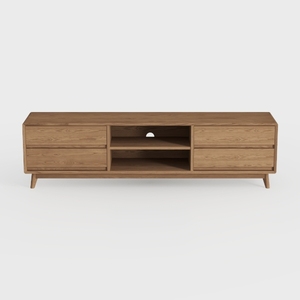
OKD TV Stand for 75+ Inch TV, Mid Century Modern

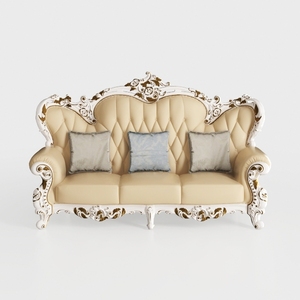
Baroque Luxury Leather Tufted Three Seat Sofa 3D Model
Homestyler is your go-to online home design platform, perfect for both beginners and experts. With its user-friendly design tool, stunning 3D renderings, and extensive video tutorials, you can effortlessly transform your home ideas into reality. Start designing today with endless inspiration at your fingertips!
Progetta ora GRATIS
































