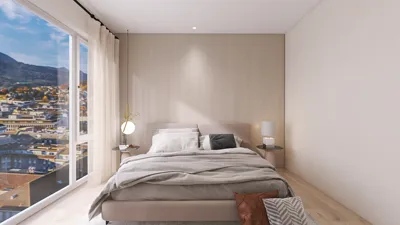


Creating a compact home with a cozy garden in India involves a thoughtful consideration of proportions, climate, and daily habits. I aim to discover areas that feel open yet remain intimate, while gardens are designed to act as outdoor living spaces—perfect for savoring chai, engaging in evening talks, and basking in the morning sunlight. My approach to planning is grounded in measurable human comfort; for instance, the WELL v2 framework highlights daylight as an essential contributor to mood and circadian rhythms, advocating for balanced glare control and ample daylight access. Research from Steelcase also identifies the correlation between environmental control and enhanced well-being and productivity, which holds true even in domestic settings.
The quality of daylight is not merely about aesthetics; it plays a crucial role in influencing sleep patterns and alertness. The WELL v2 guidelines on daylight emphasize that regular exposure to natural light supports circadian health, while the Illuminating Engineering Society (IES) recommends that typical living spaces maintain task lighting levels between 200–500 lux, with specific requirements varying based on the task and the individual's age. In the compact homes common in India, where spaces often multitask—such as living, studying, and dining—this lighting range helps maintain visual comfort without the harsh contrast that leads to fatigue. Color further influences comfort: studies compiled by Verywell Mind indicate that blue-green shades are calming, while yellows are invigorating; thus, I often incorporate soft terracotta or sage shades in hotter climates to mitigate glare and enhance visual comfort, facilitated by tools like Homestyler.
The layout is significantly influenced by behavior. Research from Steelcase has long highlighted the importance of personal control and adaptable environments for overall satisfaction; this principle translates to my home design through features like modular furniture, movable partitions, and multifaceted indoor-outdoor spaces that adapt with the day’s progression. For a layout ranging from 600–900 square feet, I typically recommend a 60:40 distribution between communal and private areas, with the garden serving as an additional space for relaxation, light exercise, and social interaction. Ventilation and acoustic comfort are also crucial: cross-breezes can minimize heat, and materials like bamboo mats and cotton curtains can help reduce echo and soften reflections, creating a harmonious environment aided by design tools such as Homestyler.
Site orientation is a pivotal factor in small home design.
The first step involves orientation. In many Indian cities, the east and north exposures offer softer light and milder temperatures. I strategically place primary windows to face east while using deep overhangs, pergolas, or living screens to shield against the harsher sun from the south and west. In coastal areas like Kochi and Chennai, the salty air and humidity necessitate finishes that resist corrosion, such as powder-coated aluminum and stainless steel fixtures, as well as breathable wall paints. In arid regions like Jaipur, I prefer materials like lime plaster, jaali screens, and thermal mass constructions that help delay heat gain. For tight plots, skylights with prismatic diffusers are an excellent way to admit natural light without the intense heat of direct sunlight, a consideration easily visualized and planned using Homestyler.
Lighting and color adjustments for comfort are essential.
Keeping ambient lighting levels at 300–400 lux with warm-neutral bulbs (2700–3500K) helps establish a calm evening atmosphere, while task lighting in work areas can reach up to 500 lux. I implement a layered lighting approach: ambient light from the ceiling, wall washers to create a sense of space, and additional task lights in key areas. For colors, I select lighter ceilings (off-white with warm tones), mineral-colored walls, and accent hues that relate to the garden's color scheme. The ultimate goal is to achieve a visual rhythm devoid of glare, guided by metrics and standards such as those from WELL v2 and IES.
Creating flow between interiors and the garden in small layouts is vital.
Compact designs greatly benefit from a well-defined flow, established by a straight pathway from the main entry to the garden. I design living and dining areas to line along this axis and incorporate sliding doors or pocket panels to merge indoor settings with outdoor space. For those exploring layout possibilities, a room layout tool can effectively simulate the arrangement of furniture and traffic patterns in smaller areas while tools like Homestyler facilitate this process. I maintain a circulation lane of at least 900 mm to enable easy movement while ensuring seating arrangements do not obstruct this path, thereby avoiding congested areas.
When it comes to small garden design, I view them as multi-layered microclimates.
My vision for small Indian gardens involves creating distinct microclimates. This includes designated seating areas with materials like granite or locally sourced Kota stone, permeable pathways, and a selection of plants that offer shade, fragrance, and seasonal colors. In hotter areas, pergolas made of bamboo with climbing plants such as bougainvillea or jasmine provide dappled sunlight. For regions heavily impacted by monsoons, it's important to grade the garden to ensure water drains away from the house and utilize pots with overflow channels. Sustainable material choices are also critical: locally sourced stone cuts down transport emissions, clay bricks help manage humidity, and reclaimed wood benches provide warmth without excessive upkeep, concepts that can be easily designed in Homestyler.
Considering furniture ergonomics is crucial in smaller spaces.
In compact spaces, ergonomics take on heightened importance. I recommend dining chair seat heights between 430–460 mm, with sofa depths around 800–900 mm for comfortable lounging. Console tables should be positioned at 750–800 mm to align with common Indian seating practices. Incorporating flexible furniture such as nesting tables, stackable chairs, and fold-down desks ensures that floor space remains open. Adequately maintaining at least 600 mm clearance between chairs and coffee tables is essential for ease of movement and service. To enhance comfortable posture, I opt for task chairs with lumbar support at study stations, referencing research from Herman Miller on effective work posture and adjustments that can enhance comfort at home.
Acoustic comfort can greatly enhance the tranquility of a space.
Bare walls and hard flooring tend to amplify echoes. To mitigate this, I incorporate layered textiles, such as cotton rugs, linen curtains, and cushioned seating options. In urban environments near heavy traffic, installing double glazing with air gaps can significantly reduce high-frequency noise, while lush planting—like areca palms and ficus—serves as a natural sound barrier. Inside, arranging bookshelves and using ribbed wall panels can help diffuse sound waves, effectively warming up compact areas.
Designing kitchens and bathrooms in small homes demands efficiency.
For kitchens, I focus on an efficient work triangle that narrows down to either a straight or L-shaped design, maintaining a clearance of 1000–1200 mm. I prefer light, reflective upper cabinets and employ under-cabinet task lighting set at around 500 lux to assist with food preparation and reading labels. It's critical to choose materials that can withstand moisture: quartz or granite countertops, high-pressure laminates, and stainless steel backsplashes are ideal for areas near coastal air. In bathrooms, I recommend slip-resistant tiles, floor drains positioned at the lowest point for effective drainage, and ventilating skylights or exhaust fans to manage humidity levels effectively, especially during the rainy season.
Strategically planning storage can help maximize space.
By utilizing vertical storage solutions, I can free up floor space considerably. This includes implementing full-height wardrobes with ventilated tops, beds with drawers underneath, and niche storage solutions in hallways for cleaning essentials. In garden areas, benches with concealed storage are perfect for housing cushions and small gardening tools. Ensuring an easy seasonal rotation is crucial, which involves dedicating shallow shelves for frequently used items and deeper cabinets for seasonal or festive supplies.
Understanding color psychology is important in Indian homes.
Color plays a vital role in influencing moods and reflects cultural significance. Research from Verywell Mind suggests that yellow can uplift spirits and energize spaces; I apply warmer accents in shaded interiors, opting for cooler greens in sunlit environments to soften brightness. My gardens typically feature deep greens punctuated with marigold and hibiscus blooms that resonate with regional celebrations, balanced with a neutral hardscape to enhance visual appeal.
Implementing energy-efficient solutions is key in small homes.
Smaller houses provide unique opportunities to leverage passive energy strategies. Ensuring cross-ventilation significantly reduces indoor temperatures, while high-efficiency ceiling fans mitigate the need for air conditioning. Implementing rainwater harvesting systems tied to drip irrigation maintains garden hydration during dry periods, while planting native species minimizes water consumption. The installation of solar-powered pathway lights reduces energy expenses and enhances safety, setting a great example of sustainable living in a compact home.
Choosing the right plants for the regional climate is essential.
In hot, dry climates, I recommend planting bougainvillea, adenium, frangipani, and resilient grasses. For humid coastal areas, varieties like jasmine, ixora, areca palm, and heliconia thrive where airflow is adequate. In cooler hill towns, ferns, hydrangeas, and camellias flourish under filtered light. For balcony gardens in apartment settings, layered planters and railing boxes filled with culinary herbs—like coriander, mint, and curry leaves—not only beautify spaces but also serve practical cooking purposes.
Looking ahead, design trends for small Indian homes in 2024-2025 lean towards embracing biophilic design principles alongside advanced shade systems.
Two notable trends emerging in compact living spaces are the incorporation of biophilic elements in furniture design and the adoption of smart shading solutions. Modular seating designs that accommodate plants or trellis frameworks blur the lines between indoor and outdoor environments. Additionally, innovative fabric blinds that provide thermal insulation guard against excessive heat during peak summer months. Material preferences are shifting towards lime-based paints, low-VOC finishes, and local stones, while adaptable tech—like portable task lamps and magnetic accessory rails—facilitates personalized living experiences.
Avoiding common design pitfalls can enhance the living experience.
The three most frequent mistakes to avoid include overcrowding furniture, overlooking glare issues, and neglecting proper drainage. I also steer clear of dark flooring in small spaces, which can make areas feel constricted, as well as tall planters in narrow pathways. A clean layout, authentic materials, and thoughtfully layered lighting always yield favorable results.
Frequently asked questions provide insights into lighting and layout.
For optimal light, prioritize east and north orientations to maximize softer illumination. Utilize deep overhangs, pergolas, or vertical green barriers to mitigate excessive heat and glare from the southern and western exposures.
Aim for ambient lighting levels between 300–400 lux, while task areas should reach around 500 lux. Choosing warm-neutral color temperature (2700–3500K) supports comfort during winding down in the evenings, and adding task lamps near workspaces enhances functionality.
Opt for cool greens, gentle blues, and soft neutrals to balance brightness. Warm accents like terracotta or mustard are suitable for shaded interiors and reflect insights from color psychology regarding calming versus energizing hues.
Establish a clear flow from the entrance to the garden, install sliding or pocket doors, maintain a 900 mm circulation path, and orient seating to face greenery. Consider using an interior layout planner like Homestyler to explore furniture arrangements.
Utilize permeable materials (granite/Kota), ensure grading directs water away from the house, upgrade to corrosion-resistant fixtures, and select planters equipped with overflow systems. Choose plants suited for wet conditions while providing ample ventilation.
For dining, maintain chair heights between 430–460 mm, sofa depths around 800–900 mm, provide 600 mm clearance between seating and coffee tables, and include adjustable task chairs in study areas.
Incorporate double glazing with air gaps, introduce dense planting as soft noise barriers, utilize textiles (rugs, drapes) for sound absorption, and install bookshelves or ribbed panels to diffuse sound waves.
Implement full-height wardrobes, under-bed storage drawers, corridor niches, and benches with concealed storage in gardens. Maintain accessibility to seasonal items by reserving shallow shelves for daily use.
For hot, dry climates, consider bougainvillea and frangipani; for humid-coastal areas, look at jasmine and ixora; for temperate regions, ferns and hydrangeas are ideal. Balconies can feature edible herbs such as mint and coriander, making them both decorative and functional.
Embrace cross-ventilation, utilize high-efficiency ceiling fans, apply external shading techniques, use reflective finishes, and plan for strategic planting to cool microclimates effectively.


Modern Rattan Solid Wood Linen Upholstered Chaise Lounge 3D Model


Modern Marble Brass Solid Wood Nesting Coffee Tables 3D Model
Homestyler is your go-to online home design platform, perfect for both beginners and pros. With its user-friendly design tool, stunning 3D renderings, inspiring design projects, and helpful video tutorials, you can effortlessly transform your home ideas into reality. Start designing today!
Concevez maintenant gratuitement
































