Room with a View Interior Design
A 'Room with a View' is not merely a spatial designation but a holistic design philosophy centered on seamless integration between interior space and external natural or urban scenery. This scene transcends traditional room typologies (e.g., bedroom, living room, balcony) — instead, it defines a *view-centric interior space*, where large apertures (windows, glass doors, skylights), strategic sightlines, and material palettes are intentionally orchestrated to frame, enhance, and harmonize with the outside environment. Whether overlooking coastal horizons, mountain ranges, city skylines, or tranquil gardens, the core objective is to dissolve visual boundaries and make nature or context an active, dynamic element of daily interior experience — supporting wellness, inspiration, and emotional resonance. Successful execution demands thoughtful indoor-outdoor flow, light management, privacy control, and contextual sensitivity — all underpinned by intelligent indoor space planning.
Design Challenges & Common Pitfalls
Designing a view-centric room presents unique complexities: (1) Balancing abundant natural light with glare, heat gain, or UV damage requires layered window treatments (e.g., motorized shades + sheer curtains) and reflective surface minimization; (2) Preserving unobstructed views while ensuring occupant privacy often conflicts — especially in urban settings — necessitating creative solutions like angled partitions, frosted glazing zones, or landscape-integrated screening; (3) Overemphasizing the view can lead to interior neglect — resulting in monotonous or functionally weak spaces lacking cohesive furniture layout, acoustics, or tactile comfort. Additionally, poor indoor space planning may misalign key functional zones (e.g., seating facing away from the window) or ignore scale relationships between interior elements and the external vista, diminishing the immersive effect. Homestyler design tips emphasize using AI-powered sun-path simulation and real-time line-of-sight analysis to preempt these issues before finalizing layouts.
✅ Prioritize Uninterrupted Sightlines
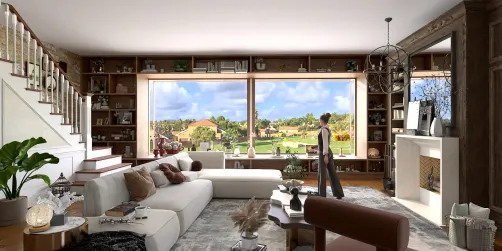
The primary design rule is to protect and optimize the visual corridor from key interior vantage points (e.g., bed, sofa, reading nook) to the exterior. Avoid placing tall furniture, floor-to-ceiling cabinets, or structural obstructions within the primary field of view. Use low-profile furnishings, floating shelves, and recessed storage to maintain horizontal continuity. Frame the view intentionally — treat windows as living artworks by selecting clean, minimalist trim and avoiding cluttered sills.

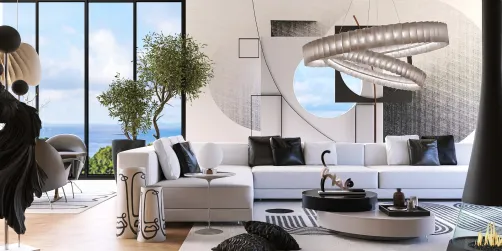
Kimberly Lockaby’s 'Coastal View' exemplifies uninterrupted sightline prioritization: the bed is precisely centered beneath a wide window, aligning the occupant’s reclined gaze directly with the ocean horizon. Using Homestyler AI design tool, she likely leveraged the 'View Analysis' feature to verify unobstructed sightlines from multiple angles and adjusted furniture depth and height in real time — ensuring no bedside table or wall-mounted art interrupts the coastal panorama. This reflects expert indoor space planning where function serves vision.
Start Free Design🌿 Harmonize Interior Palette with Exterior Context
Interior colors, textures, and materials should echo — not compete with — the dominant tones and rhythms of the external view. For ocean vistas, use soft blues, sandy neutrals, and organic textures (linen, rattan, weathered wood); for forest settings, embrace mossy greens, warm browns, and stone accents. Avoid high-contrast or saturated interior schemes that visually ‘fight’ the view. Instead, create tonal continuity through layered neutrals and subtle accent hues derived directly from the scenery.

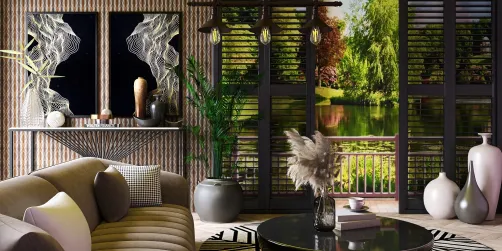
Amanda Hysa’s 'View of Serenity' masterfully harmonizes palette and context: the mountain vista is mirrored in the living room’s warm taupe sofa, natural jute rug, reclaimed wood coffee table, and dried eucalyptus stems — all drawn from the same earthy, serene chromatic family. Using Homestyler design tips, she likely employed the AI color picker to sample dominant hues from her uploaded view image and auto-generate a coordinated material library — streamlining interior space planning while guaranteeing contextual cohesion.
Begin Your Serenity☀️ Optimize Natural Light Without Compromising Comfort
Maximize daylight penetration while mitigating glare, fading, and thermal load. Use layered lighting strategies: sheer curtains for diffusion, automated roller shades for solar control, and reflective (but non-glare) surfaces like matte-finish walls and light oak floors. Integrate task and ambient artificial lighting to ensure usability at all hours — especially during overcast days or evenings — without disrupting the view’s prominence during daytime.

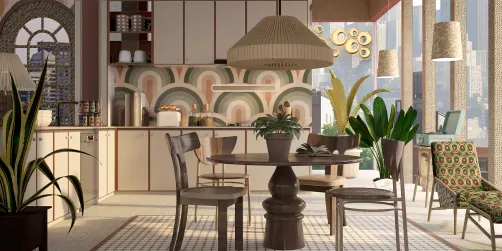
Beatrix Matei’s modern farmhouse kitchen demonstrates intelligent light optimization: the large window is positioned directly above the sink — a functional focal point — and enhanced with a sunlit herb garden on the sill, reinforcing the connection to nature. She uses matte white cabinetry and soft LED under-cabinet lighting to diffuse brightness without reflection. Leveraging Homestyler AI, she could simulate seasonal sun angles and adjust window shading presets per time of day — a critical aspect of advanced indoor space planning for view-oriented rooms.
Create With NatureFAQ
Q: How can I ensure my Homestyler AI-generated 'room with a view' design maintains realistic sightlines?
A: Use Homestyler’s 'Line of Sight' analysis tool before finalizing — upload your actual window dimensions and orientation, then place virtual cameras at key seating positions to generate real-time visibility heatmaps. Adjust furniture height, placement, and wall-mounted objects iteratively until green (unobstructed) zones fully cover your primary viewing angles.
Q: What are the top three Homestyler design tips for beginners tackling a view-centric interior?
A: First, start with the window — set its exact size, height, and direction as your fixed anchor point. Second, use the AI ‘Context Palette Generator’ to extract dominant colors from your view photo and auto-apply them to walls, flooring, and upholstery. Third, prioritize low-visual-weight furniture (e.g., glass-top tables, slim-leg sofas) to preserve transparency and spatial flow — all part of smart indoor space planning.
Q: Can Homestyler AI help me balance privacy and view access in an urban apartment?
A: Yes — activate the ‘Privacy Simulation’ mode in Homestyler. It overlays realistic neighboring building heights and sightlines, then recommends optimal glazing treatments (e.g., switchable smart glass zones, vertical bi-fold screens) and interior layout shifts (e.g., relocating the bed 30cm left) to retain 90%+ view openness while blocking direct neighbor sightlines — a key Homestyler design technique for urban indoor space planning.
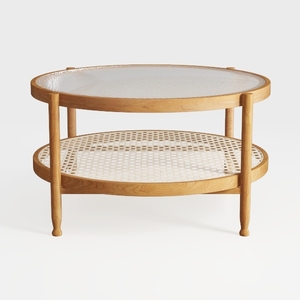
Minimalist Oak Rattan Glass Top Round Coffee Table 3D Model
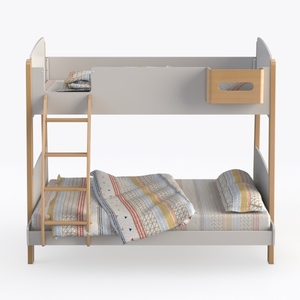
Modern Solid Wood And White Bunk Bed With Boho Bedding 3D Model

Minimalist Solid Oak Square Coffee Table 3D Model
Homestyler offers an easy-to-use online design tool, stunning 3D renderings, and a rich collection of interior design projects. With helpful DIY video tutorials, it’s a great way to inspire and create beautiful home designs effortlessly.
지금 무료로 디자인하세요