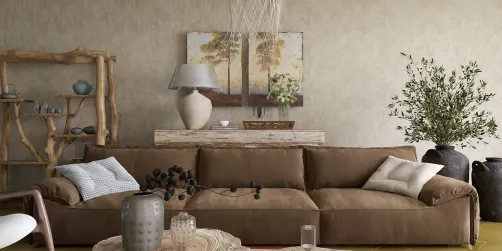
Aboriginal-Style Living Room Design
The Aboriginal-style living room is a culturally rich, nature-infused interior space that harmonizes primitive authenticity with contemporary comfort. Drawing inspiration from Indigenous art, craftsmanship, and worldview across continents—from Australian Aboriginal dot painting and earth pigment palettes to North American tribal motifs, Moroccan zellige patterns, and Andean textile geometry—this scene emphasizes organic textures, handcrafted elements, warm natural tones (ochre, terracotta, charcoal, sage), and symbolic storytelling through decor. It’s not about literal imitation but respectful reinterpretation: using sustainable materials like raw wood, woven rattan, clay, stone, and undyed linen; integrating meaningful artifacts (e.g., carved masks, ceremonial textiles, or hand-stitched cushions) as focal points; and prioritizing spatial calm over clutter. Crucially, this design approach supports inclusive, multicultural interior space planning—transforming the living room into a grounded, soulful hub where heritage and modern life coexist with intention.
Design Challenges and Common Pitfalls
Designing an authentic Aboriginal-style living room often faces three key challenges: (1) Cultural appropriation vs. appreciation—superficial use of sacred symbols (e.g., Dreamtime motifs or Navajo patterns) without context risks disrespect; (2) Material and color imbalance—overloading earthy tones without contrast or texture variation leads to visual monotony or heaviness; (3) Spatial dissonance—introducing rustic, oversized, or low-profile indigenous furniture (e.g., floor seating, carved timber benches) without adapting layout flow can compromise functionality, especially in compact urban apartments. These issues underscore why thoughtful indoor space planning and Homestyler design techniques—like AR virtual furniture placement and real-time 3D rendering—are essential for testing scale, proportion, and cultural resonance before execution.
✅ Prioritize Natural Materials & Tactile Authenticity
Aboriginal-inspired design centers on honest, unrefined materials that speak to land and craft: solid reclaimed wood, handwoven jute or wool rugs, raw clay vessels, hammered copper accents, and untreated stone. Avoid synthetic imitations—opt instead for genuine grain, visible weave, and subtle irregularities that convey human touch. Texture layering (e.g., nubby linen over smooth leather, rough-hewn timber beside soft sheepskin) adds depth and warmth while honoring Indigenous traditions of material respect and sustainability.

Ana María’s design exemplifies tactile authenticity: she layers a richly patterned tribal rug over wide-plank hardwood, pairs chunky brown leather sofas with hand-loomed cotton throws, and anchors the space with a live-edge coffee table. Using Homestyler AI design tools, she simulated natural light interaction across these textures in real time—ensuring warmth and dimension remained balanced—not muddy—under varying daylight conditions. Her approach reflects intentional indoor space planning: every material choice serves both aesthetic resonance and sensory harmony.
Start Free Design🎨 Curate Symbolic Decor with Cultural Integrity
Decor should tell a story—not decorate superficially. Select pieces with documented cultural origin or collaborative provenance (e.g., fair-trade Maasai beadwork, certified First Nations carvings, or artisan cooperatives in Oaxaca). Use symbolism intentionally: circular motifs for unity, animal totems for kinship, or geometric borders for ancestral mapping. Always credit makers and avoid sacred ceremonial objects (e.g., medicine wheels, sand paintings) in domestic settings unless advised by community knowledge holders. This principle ensures your Aboriginal-style living room honors legacy—not just aesthetics.

Maribel Fiñana Cruz thoughtfully integrates symbolic decor by arranging hand-carved wooden stools and a central communal table—evoking Indigenous gathering traditions—without appropriating ritual forms. Her wall displays feature framed textile fragments (not sacred regalia) sourced from Latin American cooperatives, labeled with maker credits. Leveraging Homestyler’s intelligent layout feature, she tested multiple configurations to ensure sightlines honored focal pieces while maintaining open circulation—a demonstration of culturally conscious interior space planning.
Create Your Space Now🌿 Balance Earthy Palettes with Strategic Light & Air
Earthy tones (burnt sienna, forest green, deep umber) form the foundation—but require luminous counterpoints to avoid stagnation. Introduce layered lighting: warm-toned floor lamps with woven shades, recessed LED strips beneath floating timber shelves, and sheer linen curtains to diffuse natural light. Add airiness via negative space, vertical greenery (e.g., hanging macramé planters with trailing pothos), and reflective surfaces like polished river stones or matte black metal. This balance sustains visual breathability and emotional openness—core values reflected in many Indigenous spatial philosophies.

Amanda Chalwade achieves luminous balance in her bohemian-Aboriginal fusion: she offsets deep rust walls with ivory linen drapery, places a large leafy monstera in a hand-thrown clay pot near a sunlit corner, and uses Homestyler’s AR virtual furniture placement to verify that her low-slung sofa doesn’t block window light paths. Her design proves how Homestyler design techniques empower precise interior space planning—enabling designers to optimize natural illumination and airflow long before installation.
Begin Your DesignFAQ
Q: How can I avoid cultural appropriation when designing an Aboriginal-style living room?
A: Begin with education and collaboration—research specific Indigenous nations’ design philosophies (e.g., Australian Aboriginal connection to Country, Māori whakapapa principles) and prioritize purchasing from certified Indigenous-owned businesses. Avoid sacred symbols used out of context; instead, draw inspiration from universal themes like land stewardship, circular time, or storytelling—and express them through original compositions, not replication.
Q: Is Aboriginal-style design suitable for small apartments?
A: Yes—especially when guided by smart interior space planning. Focus on multifunctional, low-profile furniture (e.g., modular floor cushions, nesting timber tables) and vertical storytelling (woven wall hangings, suspended dreamcatchers). Homestyler’s intelligent layout feature helps simulate spatial efficiency and scale accuracy before committing to purchases.
Q: What Homestyler design techniques are most helpful for Aboriginal-style projects?
A: Three stand out: (1) Real-time 3D rendering to preview how natural material textures interact under different lighting; (2) AR virtual furniture placement to test proportions of handcrafted or oversized pieces in your actual space; and (3) Smart furniture arrangement to maintain clear pathways—honoring Indigenous values of communal flow and accessibility.
Q: Can I mix Aboriginal elements with other global styles like Scandinavian or Japandi?
A: Absolutely—when rooted in shared values: simplicity, naturalism, and craftsmanship. Pair Aboriginal clay vases with Japanese washi lamps, or Moroccan kilim pillows with Nordic oak shelving. The key is cohesion through material honesty and restrained palette—not stylistic collision. Homestyler design techniques let you A/B test hybrid schemes instantly.
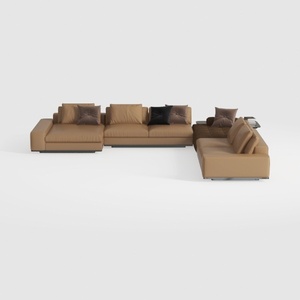

Modern Brown Leather U Shaped Sectional Sofa with Throw Pillows 3D Model
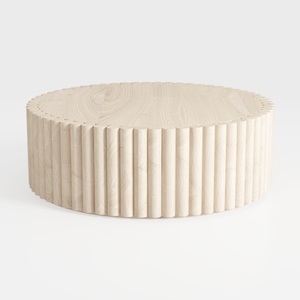
Minimalist Solid Wood Fluted Round Coffee Table 3D Model

Rustic Solid Wood Round Coffee Table With Black Metal Legs 3D Model
Homestyler is an easy-to-use online home design platform offering powerful 3D rendering tools, inspiring design projects, and helpful DIY video tutorials. It’s perfect for anyone wanting to create beautiful interior spaces with professional-quality visuals.
立即免费设计