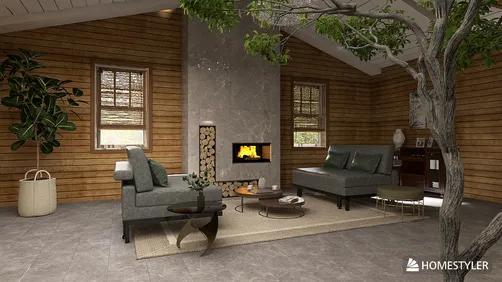
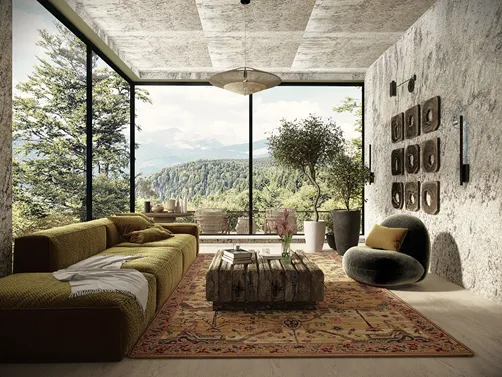
Forest-Style Living Space Design
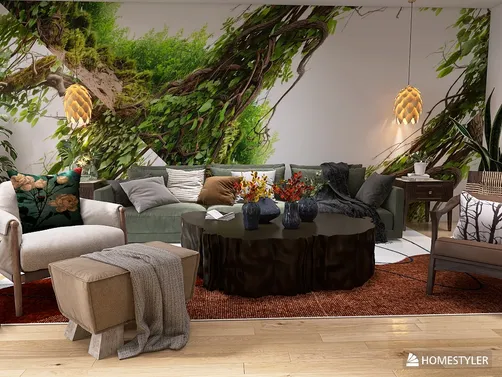
The 'Forest-Style Living Space' is a biophilic interior design scenario that transcends literal woodland imitation — it’s a holistic spatial philosophy centered on sensory harmony, natural material authenticity, and seamless indoor-outdoor continuity. Drawing from the AIDA-design-affiliated Homestyler contest theme 'Forest Style Space for Web', this scene emphasizes emotional resonance with nature through layered textures (rough-hewn wood, stone, woven fibers), abundant living greenery, strategic daylighting, and organic architectural forms (e.g., curved walls, floor-to-ceiling glazing). Unlike generic 'rustic' or 'scandi' interiors, forest-style prioritizes *ecological narrative*: every element tells a story of growth, grounding, and quiet vitality — making it especially relevant for urban dwellers seeking restorative indoor space planning and mindful domestic well-being.
Design Challenges & Common Pitfalls
Common challenges include overloading with plants (risking clutter and poor air circulation), mismatched material palettes (e.g., glossy lacquer furniture undermining organic warmth), insufficient lighting layering (relying only on overhead lights instead of dappled, directional, or ambient sources), and neglecting acoustics (hard surfaces amplifying noise in otherwise serene spaces). Another frequent misstep is treating 'forest style' as purely decorative — using faux-wood wallpaper or plastic ferns — rather than embracing authentic biophilic principles like circadian light support, thermal comfort via natural materials, and multisensory engagement (touch, scent, sound). Effective indoor space planning must therefore balance aesthetic cohesion with functional ecology.
🌱 Prioritize Natural Material Hierarchy
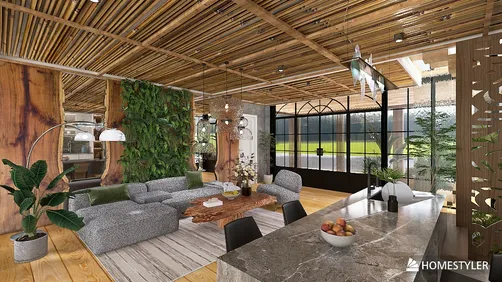
Begin with structural and surface materials that carry inherent texture and origin story: solid reclaimed wood for flooring or ceiling beams, rough-sawn oak for shelving, natural stone for hearths or accent walls, and jute or wool rugs for tactile grounding. Avoid laminates or veneers unless they’re certified sustainable and visually indistinguishable from real material. Let grain, knot, and variation tell the story — not uniformity. This hierarchy anchors the space in authenticity and supports long-term sensory calm.

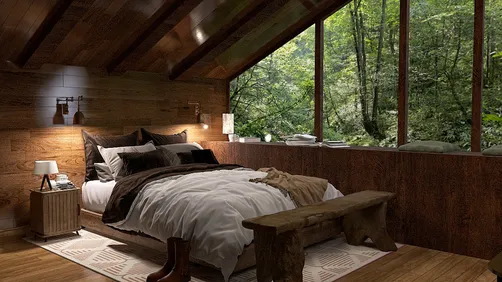
Asia Garbini’s 'Green outside the window' masterfully applies this principle: she uses warm-toned solid-wood wall panels and a raw-edge timber bed frame to establish immediate material honesty. Rather than covering surfaces, she celebrates joinery and grain — a choice amplified by Homestyler’s photorealistic rendering, which accurately simulates wood’s light-reflection behavior. Her use of Homestyler AI design tools allowed rapid iteration of wood species and finish options while preserving structural integrity — demonstrating how digital prototyping enhances authentic material decision-making in indoor space planning.
Start Free Design Now🌿 Curate Plants as Spatial Sculpture — Not Decoration
Treat indoor greenery as three-dimensional architecture: select species for form (upright dracaena, cascading pothos, sculptural monstera), height variation (floor-standing fiddle leaf figs, mid-level snake plants, hanging staghorn ferns), and ecological function (air-purifying peace lilies, humidity-boosting arecas). Group in odd-numbered clusters; avoid isolated single pots. Integrate planters into built-ins or custom millwork — never let them float as afterthought accessories. This transforms flora from ornament into integral spatial rhythm.

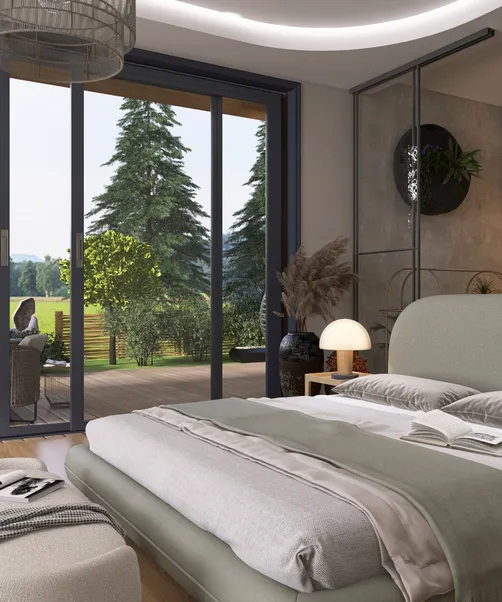
Iulia S’s 'FOREST RETREAT' exemplifies botanical spatial choreography: tall bamboo stalks flank floor-to-ceiling windows, framing the view while adding vertical rhythm; low-maintenance ZZ plants line a recessed shelf unit, softening hard edges; and suspended string-of-pearls create floating green veils near seating zones. Using Homestyler’s drag-and-place AI tool, she tested over 12 plant configurations in under 15 minutes — optimizing sightlines, sunlight exposure, and traffic flow. This reflects advanced Homestyler design techniques where biophilic elements serve both aesthetic and ergonomic roles in interior space planning.
Free Design Your Forest☀️ Engineer Light Like Sunlight Through Canopy
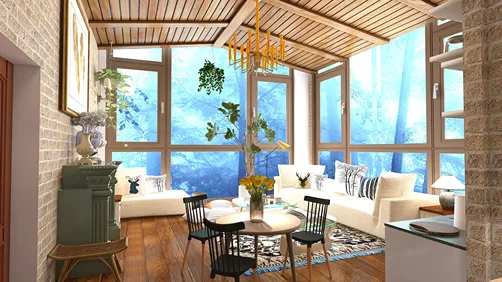
Mimic the dappled, layered quality of forest light: combine high-level ambient (recessed LEDs with 2700K–3000K CCT), mid-level task (wood-arm sconces, ceramic table lamps), and low-level accent (LED strips under shelves or behind stone walls). Use sheer linen curtains, perforated wood screens, or laser-cut metal baffles to diffuse and pattern light — never rely solely on direct glare. Time-of-day simulation in rendering tools is essential to verify circadian alignment and shadow play across surfaces.

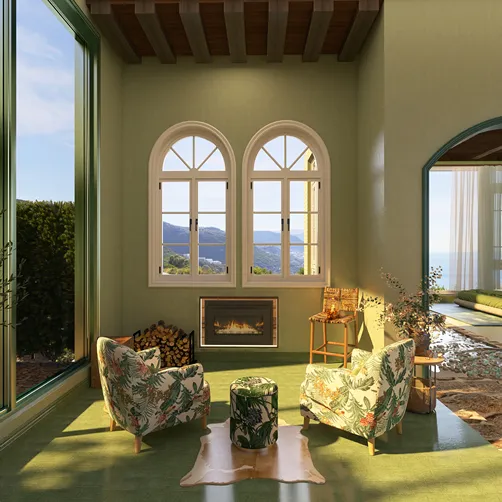
Graca Doutel’s 'Forest Room' leverages Homestyler’s dynamic HDR lighting engine to replicate golden-hour canopy light: warm uplights graze a textured plaster wall, pendant fixtures cast gentle pools over the dining table, and concealed toe-kick lighting lifts floating oak cabinets — all calibrated to match the sun angle captured in her 'g_sunny_vondelpark' environment preset. Her workflow highlights how Homestyler design techniques enable precise light-layering simulation before construction — turning abstract lighting theory into actionable, visualized indoor space planning decisions.
Begin Cozy Room DesignFAQ
Q: Do I need real plants — or can I use high-quality artificial ones for forest-style interiors?
Real plants are strongly recommended for true biophilic impact — they regulate humidity, purify air, and provide dynamic visual change. However, if maintenance is prohibitive, choose UV-stable, botanically accurate silk or preserved moss installations. Avoid shiny plastic varieties — they break material authenticity.
Q: Can forest style work in small apartments or low-light spaces?
Absolutely — focus on vertical gardens, reflective surfaces (stone tiles, polished concrete) to bounce available light, and shade-tolerant species (ZZ plant, snake plant, pothos). Homestyler’s real-time shadow analysis helps identify optimal plant placement even in north-facing rooms.
Q: How does the AIDA competition’s 'Forest Style Space for Web' relate to professional interior practice?
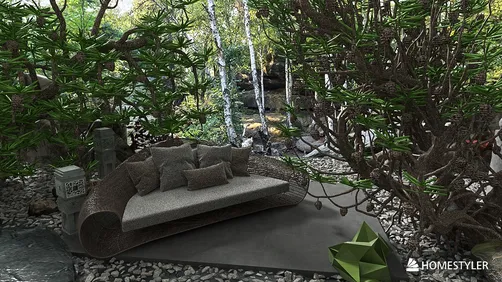
This contest showcases scalable, web-optimized design thinking: modular material libraries, responsive layout logic, and cross-device visualization — all critical for modern interior space planning workflows. Winning entries like Rivyan Vieira’s 'Forest Style' (Top 1) demonstrate how Homestyler design techniques bridge conceptual vision and buildable execution — especially in tight timelines and remote collaboration scenarios.

Minimalist Solid Wood Nightstand With Lower Shelf 3D Model
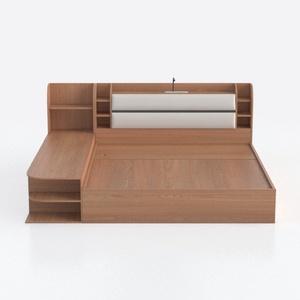
Minimalist Solid Wood Storage Platform Bed With Built In Shelves 3D Model

Boucle Fabric Modern Upholstered Platform Bed Solid Wood Legs 3D Model
Homestyler is a user-friendly online platform that lets you design and visualize your home with ease. Enjoy powerful 3D rendering, explore a vast collection of interior design projects, and learn through helpful DIY video tutorials—all in one place.
지금 무료로 디자인하세요