

Diwali brings forth a sense of light, warmth, and unity—elements that every living room should exude. To achieve this, I concentrate on the quality of lighting, the harmony of colors, and tactile comfort, promoting a swift yet impactful transformation of the space. The WELL v2 guidelines underscore the necessity of glare control and proper illuminance to enhance occupant comfort. I strive for layered lighting, specifically aiming for 300–500 lux for everyday activities combined with warmer tones (2700–3000K) to keep the atmosphere cozy during the evenings. Research from Steelcase shows that thoughtfully designed environments can alleviate stress and enhance perceived well-being, which is crucial for creating festive settings that strike a balance between vibrancy and tranquility.
The psychological aspect of color is significant during festive occasions. According to Verywell Mind, warm colors like red and orange have the power to boost energy and social interaction, while golden accents symbolize prosperity and optimism—sentiments that resonate with the spirit of Diwali. I integrate these warm tones with cooler shades (like deep blue or emerald) to prevent visual overload and maintain a rhythmic flow. If your space feels cramped or circulation gets tricky during celebrations, utilizing an interior layout planner can assist in experimenting with seating arrangements and traffic patterns ahead of your gathering. Consider employing a room layout tool to visualize and enhance spatial flow: Homestyler offers excellent tools for this purpose.
Craft a Light-Forward Diwali Ambience
To start, I incorporate three layers of lighting: ambient, accent, and sparkle. Ambient lighting can be achieved with dimmable floor lamps or lanterns featuring warm bulbs (2700K). Accent lighting focuses on highlighting artwork, rangoli designs, or a puja area—using spotlights or picture lights set to around 200–300 lux. The sparkle component represents the festive touch: string lights made of micro-LEDs can be gracefully draped along shelves, window frames, or a central garland. It’s important to maintain visual comfort by diffusing string lights behind sheer materials or translucent paper; the WELL v2 emphasis on visual comfort serves as a useful reminder to avoid exposing LED lights directly at eye level.
Color Story: Warm Harmony with Intentional Contrast
For Diwali, my color scheme follows a 60/30/10 formula. Sixty percent neutral grounding (soft taupe, cream, pale gray), thirty percent warm festive shades (marigold, vermilion, saffron), and ten percent metallics (brushed brass or antique gold) create a rich yet controlled aesthetic. Textiles—such as throws, cushions, and runners—allow for layering colors without the need for paint. For instance, a pair of jewel-toned cushions against a neutral sofa can instantly uplift the ambiance, while a marigold runner across the coffee table anchors the design. Ensuring patterns are rhythmic, like couples of a large paisley or mandala motif matched with smaller geometric designs, helps to maintain visual equilibrium.
Materials and Tactile Comfort
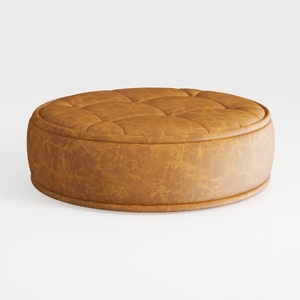
During festivals, the density of seating usually increases. To accommodate this, I introduce soft poufs and low stools to enhance capacity without obstructing sightlines. The contrast in textures is essential—pairing a velvet cushion with a handloom cotton throw can provide a balance of warmth and breathability. Natural fiber rugs (jute or wool) not only endure foot traffic but also contribute an element of grounding. Candles bring intimacy; I opt for unscented or delicately aromatic ones to ensure inclusiveness. To promote sustainability, I suggest reusing sari fabrics as table runners, upholstering benches with leftover textiles, or using LED string lights equipped with timers to save energy during late-night celebrations.
Rangoli and Focal Points
Position the rangoli in a spot where it can be admired without disrupting circulation—ideally near the threshold of the living room or beneath a glass-topped coffee table. Enhance its visibility with brass diyas on stable trays; ensure there’s at least 30 cm clearance from textiles and utilize heat-resistant saucers. If pets or children are present, consider switching to battery-operated diyas for the perimeter while keeping open flames in supervised areas. A carefully curated focal wall—whether it’s a mirror, framed textiles, or a modest shelf adorned with floral garlands—creates a narrative without overloading the visual space.
Seating Layouts that Support Gathering
To foster conversation, I recommend a U-shaped configuration with the sofa surrounded by two chairs, allowing for a 90–110 cm passage behind for comfortable movement. Arranging small side tables within arm’s reach of seating makes it convenient to place lamps and plates. For gatherings of 8–10 guests, breaking seating into two clusters with a clearly defined path in between helps reduce noise overlap and facilitates serving. When time is of the essence, I quickly sketch out a plan using an interior layout planner— Homestyler is perfect for mocking up designs—to check aisle widths and sightlines. Ensuring a minimum distance of 60–75 cm between the coffee table and seating helps prevent discomfort and keeps the room feeling spacious.
Lighting Safety and Acoustic Ease
To enhance safety, LED strings should be positioned away from curtain fabrics and routed along sturdy surfaces. Employing cord clips can help avert trip hazards. Regarding acoustics, soft materials absorb high-frequency sounds—adding rugs, textile wall hangings, and filled cushions rather than decorative ones can improve sound quality. For activities like card games or music, it’s advisable to locate the entertainment zone away from reflective glass surfaces to minimize echoes; employing a bookcase or a fabric-backed screen can act as a quick sound diffuser.
Floral and Scent Styling
Marigold garlands elegantly frame doorways and shelves. I prefer to keep arrangements low and layered—one horizontal garland along the TV console, with a second cascading down the sides to avoid blocking screens or air vents. For fragrance, I balance traditional incense with fresh elements, such as lightly simmered citrus peels or essential oils in a diffuser, positioned away from the rangoli to.prevent residue buildup.
Quick Switches for Instant Impact
When time is pressed: change to warm bulbs, add two accent lamps, lay a runner, arrange flowers, and set a metallic tray holding diyas. Given a day: reorganize seating into a U-shape, install dimmers, layer textiles, and curate a focal wall. If you have a weekend: paint an accent wall in a vibrant saffron or indigo, suspend a mirror to reflect light, and organize your storage solutions to keep surfaces clutter-free for decorative items.
Design Notes Backed by Practice
In my experience with past Diwali setups, I’ve learned that glare-free string lights and neutral backdrops effectively carry the overall scheme. Guests tend to linger longer when seating varies in height and gentle lighting illuminates their faces—floor lamps equipped with fabric shades have an uplifting effect. A consistent metallic theme (either all brass or all antique gold) appears more polished than a mixed approach.
For those wanting to dive deeper into lighting comfort and the principles of well-being derived from workplace research that can be adapted for home use, explore the WELL v2 guidelines on visual comfort alongside Steelcase research regarding environments and wellness. Their insights inform decisions about layered lighting, glare minimization, and human-centered layout designs.
FAQ
1) What is the ideal color temperature for Diwali evenings?
Using warm white light in the range of 2700–3000K creates an inviting atmosphere and softens harsh lighting. Cooler tones can be reserved for specific task areas requiring clarity.
2) How bright should my living room be for comfort?
Aim for lighting levels of 300–500 lux in general spaces, with accent areas achieving around 200–300 lux on decorative items, in line with WELL v2 comfort recommendations.
3) How can I prevent glare from string lights during celebrations?
To diffuse glare, use sheer fabrics, stagger the heights of lights, and refrain from positioning them directly at eye level. It's more effective to reflect light off walls rather than direct it towards seating.
4) What safety measures should be taken when using diyas and candles?
Maintain a clearance of at least 30 cm from textiles, utilize trays for stability, and consider battery-operated candles in child and pet-friendly areas. Ensure that open flames are grouped in supervised environments.
5) How do I arrange seating to facilitate conversation?
Adopt a U or L-shaped layout, ensuring there’s 60–75 cm between the coffee table and seating. Maintain a 90–110 cm pathway behind for smooth movement, and consider two clusters for larger gatherings.
6) Which materials can add immediate warmth to the décor?
Incorporate velvet cushions, cotton throws, and wool or jute rugs—layering these textures balances visual richness with tactile comfort.
7) How can I include rangoli in my decor without impeding movement?
Position the rangoli near thresholds or beneath a glass-topped coffee table while ensuring there's a clear bypass lane for guests to admire it without obstruction.
8) What is a simple method to establish a cohesive color palette?
Utilize the 60/30/10 rule: allocate 60% to neutrals, 30% to warm shades (like marigold and vermilion), and 10% for metallics, and consider a cool accent to diversify the scheme if necessary.
9) Any suggestions for reducing noise during festive gatherings?
Soften surfaces with rugs, fabric wall art, and filled cushions, and position game or music areas away from large glass surfaces to mitigate echo.
10) How can I safely manage cords and temporary lighting solutions?
Employ cord clips for neat routing, avoid crossing walkways, and regularly test outlets to prevent overloading. Utilizing timers can also help manage energy efficiently.

Looking to transform your space? Homestyler is your go-to home design platform! Featuring an easy-to-use online design tool, stunning 3D renderings, a wealth of inspiring design projects, and handy video tutorials, you can effortlessly create your dream home—no experience necessary!
Progetta ora GRATIS
































