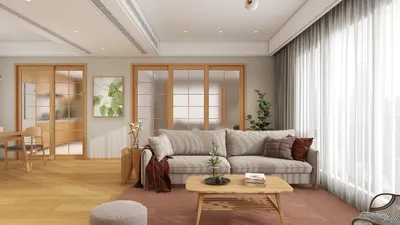


One time, I coordinated a client’s living room hue to match an aged porch post, only to discover it had been painted multiple times by different hands over the span of 80 years. This taught me an important lesson: the selection of colors in craftsmanship needs much more context beyond just chemistry. Interestingly, small spaces can ignite substantial creativity, and I’m excited to share five practical color palette suggestions. If you'd like to preview these color combinations before making a decision, utilizing tools like Homestyler to visualize paint schemes in 3D can be incredibly helpful to avoid unexpected outcomes.
1. Timeless Earthy Tones with Dark Accents
Consider using warm olive or soft sage for the walls, complemented by a deep, nearly-black brown for the trim. I applied this scheme in a narrow bungalow, and the darker trim beautifully highlighted the architectural features instead of making the room feel cramped. It's quite forgiving and helps to hide wear, though be mindful that darker trims can show dust — but it’s a small trade-off for a timeless feel.
save pin
2. Cozy Greige with Gentle Highlights
Greige, a hybrid of gray and beige, is my preferred choice when clients desire the warmth of Craftsman design without excessive heaviness. Liven up the palette with soft mustard or terracotta highlights on doors and cabinetry. The beauty of greige lies in its adaptability: it melds seamlessly with wood tones, but can appear dull under cooler lighting, so it’s wise to test samples at various times throughout the day.
save pin
3. Bright Honey Hues for Limited Spaces
For smaller interiors, I often opt for a sunny honey or a warm cream — this approach enhances light and ensures that wood finishes remain rich. Recently, during a kitchen renovation, I selected honey walls, matching painted upper cabinets in off-white and lower cabinets in a soft forest green. When you need to coordinate kitchen colors precisely, using Homestyler for planning elevations helps determine which surfaces should be painted versus stained.
save pin
4. Contrasting Two-Tone Exteriors for Defined Lines
Craftsman-style exteriors thrive on contrast: a mid-tone body paired with a darker base and trim creates a grounded, handmade appearance. I once convinced a wary client by demonstrating how a two-tone design accentuated the porch columns and rooflines. It's important to remember that exterior finishes weather differently, so select durable paints and plan for touch-ups every few years.
save pin
5. Soft Blues with Natural Wood Elements
Subtle slate or denim blues combined with warm, natural wood establish a tranquil, contemporary Craftsman atmosphere. This combination is particularly appealing for bedrooms and home offices, as it evokes serenity without a cold feel. Prior to making a decision, it’s beneficial to experiment with room layouts and color placements — sometimes, adding an accent wall or painting the ceiling can significantly alter the ambiance.
save pin
FAQ
Q: What colors are characteristic of Craftsman homes?
Typically, I start with earthy greens, warm browns, muted blues, and greiges. These shades draw inspiration from natural materials that have historically been integral to Craftsman design.
Q: Should the trim be lighter or darker than the walls?
Using a darker trim against a lighter wall enhances architectural elements and details; a lighter trim softens the overall look. Both options work effectively, though darker trim tends to offer a more classic Craftsman contrast.
Q: Is it acceptable to use modern neutrals in a Craftsman interior?
Definitely. Modern neutrals such as warm greige can refresh a Craftsman bungalow while honoring its proportions. Incorporating one or two accent colors can help maintain the essence of the style.
Q: How do I select exterior colors for historic bungalows?
Begin by sampling colors on various elevations and assess them at different times of the day. Additionally, historical preservation organizations advise using palettes that reflect the original materials.
Q: Can bold colors be integrated into a Craftsman home?
Yes — but should be used sparingly. A vibrant front door or a distinctive accent ceiling can infuse personality without overpowering the traditional craftsmanship aesthetic.
Q: What is the best paint finish for woodwork in Craftsman-style houses?
Satin or semi-gloss finishes are resilient and highlight trim features effectively. Flat finishes are suitable for walls but may not withstand wear as well in high-traffic areas.
Q: Do paint colors appear differently on wood compared to plaster?
Yes. The grain and texture of the wood alter the perceived color, so it's essential to test samples on the actual surface before committing to paint the entire room.
Q: Where can I find credible advice on historic paint selections?
For guidance on preservation and historically accurate color choices, the National Park Service's preservation resources (https://www.nps.gov) detail recommended strategies for historic paints and finishes.
save pin
Discover your dream space with Homestyler! This user-friendly online design platform offers a powerful design tool, stunning 3D renderings, and a wealth of inspiring design projects. Plus, with DIY video tutorials, transforming your home has never been easier. Start designing today!
立即免费设计
































