


Unforgettable events start with meticulously designed spaces. When curating a banquet hall akin to Roseline, my primary focus is on achieving a sensory equilibrium—encompassing light, sound, color, and materials—allowing the venue to adapt seamlessly from private dinners to grand celebrations. Effective lighting is crucial to this experience; the Illuminating Engineering Society suggests maintaining 200–300 lux in dining areas, while managing glare and dimming options to set the perfect mood throughout the evening (IES standards). Comfortable environments enhance the duration of guest stay and overall satisfaction, as supported by Steelcase research indicating that spaces minimizing visual and acoustic disturbances enhance perceived experience quality—a principle I incorporate into hospitality from insights gleaned in workplaces (steelcase.com/research).
The spatial flow of an event influences how guests interact and enjoy themselves. In my designs, I prioritize clear service paths and uninterrupted sightlines; the WELL v2 standard emphasizes how acoustics and lighting significantly impact comfort and productivity, highlighting the necessity to manage sound reverberation and glare while providing adjustable lighting levels (v2.wellcertified.com). Furthermore, color psychology plays a pivotal role; according to Verywell Mind, warm neutrals and gentle blush shades foster comfort and sociability, while vibrant accents energize key areas (verywellmind.com/color-psychology). These insights guide me in creating the ideal atmosphere for ceremonies, meals, and dancing.
The Arrival Experience: Setting the Tone
The entrance sequence shapes the expectations of guests. I advocate for a multi-layered foyer design: a softly illuminated vestibule (150–200 lux), framed with textured wall panels, and a grounding runner that decelerates movement. A sculptural feature—be it a floral arrangement, a work of art, or a chandelier—serves as an Instagram-worthy focal point without impeding flow. Comfortable seating arrangements along the perimeter enable guests to gather, utilizing resilient materials with a subtle sheen that photograph beautifully under varying lighting.
Versatile Seating Arrangements
Adaptability is the hallmark of a functional banquet hall. For plated service, 60-inch round tables can seat eight guests comfortably while ensuring enough elbow space; 72-inch rounds are suitable for family-style meals or modern receptions, accommodating 10 to 12 but necessitating wider aisles. I ensure a distance of 60–72 inches between table edges for both service and guest comfort. For elongated banquet setups, 42-inch-wide tables remain accessible; varying centerpiece heights helps maintain clear sightlines. To experiment with different configurations, a room layout tool, such as Homestyler, assists in visualizing circulation and staging effectively.
Enchanting Lighting Layers
The lighting for banquets should be adjustable and layered. I combine ambient downlights (200–300 lux at the table level), wall grazers for added texture, and spotlighting on flowers and stage elements. Opt for color temperature around 2700–3000K to achieve warmth, while dance-floor illumination can range from 3200–3500K for added vitality. Consistent CRI (90+) is essential for capturing the true appearance of food and skin tones. Dimming capabilities and DMX controls facilitate seamless transitions through various event phases—from cocktail hours to speeches and onto the dance floor.
Ensuring Acoustic Comfort and Clarity
The auditory component of an experience is just as critical as lighting. I aim for a reverberation time (RT60) of approximately 0.8–1.2 seconds in multifunctional venues, employing fabric-wrapped panels, acoustic baffles, and plush rugs to mitigate sound reflections. Strategically positioning speakers helps reduce hot spots, while ensuring the DJ or band is separated from dining zones. The goal is to maintain clear communication during toasts and manage the energy levels during musical performances to avoid guest fatigue.
Incorporating Color Psychology for Festive Atmospheres
The choice of color impacts the atmosphere. Warm neutrals like taupe, champagne, and almond create a welcoming environment, while richer tones like deep emerald or navy instill a sense of formality. Soft pinks or coral shades lend a romantic touch, and metallics such as brass and pewter offer timeless elegance. Cool hues should be positioned near high-output lighting to avoid color distortion, reserving vibrant colors for focal walls, bar areas, or lounge settings to energize social hotspots.
Selecting Sustainable and Durable Materials
Combining durability and elegance through careful material selection is vital. Using stone or high-quality porcelain for main pathways resists wear and tear; hardwood or engineered planks provide warmth in dining areas, complemented by sound-proofing measures. For linens, I recommend high-thread-count blends that drape gracefully and are easy to clean. Choosing low-VOC finishes decreases unpleasant odors and enhances guest comfort. Whenever feasible, I advocate incorporating reconfigurable décor—such as modular arches and reusable floral arrangements—to minimize waste while maintaining significant visual impact.
Strategizing Staging: Elevating Table Arrangements and Dance Floors
Establishing a hierarchy within the space allows for intuitive navigation. Slightly elevating the head table ensures better sightlines without isolating guests. The dance floor should be centrally located between the bar and DJ station to encourage participation; sizing it to accommodate around 4–5 square feet per dancer is optimal. Photo opportunities should be positioned away from high-traffic areas and be given dedicated lighting to prevent unflattering shadows on faces.
Streamlined Catering Workflow and Guest Navigation
Efficiency in service design is the essence of refined elegance. I incorporate discreet back-of-house corridors and swing doors close to the kitchen to minimize congestion. Buffets function best with parallel lines spaced 8–10 feet apart, alongside separate drink stations to streamline service. Additional restrooms must be accessible without interfering with main service routes. For complex layouts, an interior layout planner can visualize staff and guest circulation: employing resources like Homestyler can assist here as well.
Curating Lighting Scenes: From Ceremony to Celebration
Creating distinct lighting scenes is beneficial. For the ceremony, aim for soft uplighting and pin spots at around 250 lux; for dinner, ambient light should reach between 200–250 lux, with the inclusion of candles or LED votives to add sparkle; toasts require key lights at the podium elevated to 400–500 lux; and for the dancing portion, dynamic highlights paired with balanced perimeter lighting will keep faces clearly visible. It is essential to control glare by appropriately shielding light sources and positioning beam angles away from eye level.
Establishing Signature Ceilings and Lighting Features
The ceiling plays a critical role in depicting grandeur. Coffered designs conceal sound-absorbing materials and incorporate cove lighting seamlessly. A central chandelier acts as the room's focal point—choosing diffused fixtures with layered light rather than harsh points can enhance the ambiance. Adding perimeter sconces enriches depth and reduces reliance on overhead lighting alone.
Incorporating Natural Elements: From Greenery to Scent Management
The introduction of botanical elements energizes the space. Greenery walls serve dual purposes by acting as acoustic dampeners while providing an attractive backdrop for photos. Ensuring floral arrangements stay below 14 inches on tables or using elevated stands with transparent stems allows for unobstructed views. Additionally, it's vital to manage fragrance intensity, complementing rather than overpowering culinary aromas; HVAC systems must ensure efficient air exchange without drafts in seating areas.
Facilitating Wayfinding, Signage, and Accessibility
Subtle wayfinding enhances the overall experience: elegant pictograms, high-contrast signage, and soft lighting at transition points improve navigation. ADA-compliant paths, ramps, and appropriate clearances at tables and bars are essential. Textured flooring supports visually impaired guests, while maintaining consistent light levels helps avoid abrupt eyesight adjustments.
Emerging Design Trends for 2024-2025
Guests appreciate carefully considered details. Key trends I embrace include sculptural fabric chandeliers, champagne-hued metallics, layered drapery with subtle pleats, and versatile media walls that transition from monograms to ambient artwork. Lounge areas featuring a combination of banquette seating, ottomans, and low-profile chairs foster intimate conversation zones.
Project Management Insights
Prior to construction, I identify a schedule of use—weddings, corporate functions, cultural ceremonies—to determine storage solutions for modular décor and audiovisual equipment. The electrical setup needs to support high-demand events; cable routing should be discreet yet accessible. I evaluate lighting scenes and arrangements using a room design visualization tool like Homestyler to detect potential bottlenecks and visual obstacles promptly.
Frequently Asked Questions
Q1: What is the ideal illuminance for dining tables in a banquet hall?
A: Target 200–300 lux at table height, with a color temperature between 2700–3000K for warmth and a high CRI (90+) to ensure skin tones appear inviting, in alignment with IES guidance.
Q2: How wide should aisles be between tables for optimal service?
A: Ensure a clearance of 60–72 inches between table edges so guests and servers can navigate effortlessly, especially during wine service or plated courses.
Q3: What reverberation time is optimal for speeches and music?
A: Aim for a reverberation time of 0.8–1.2 seconds RT60 in multifunctional settings; combining fabric panels, rugs, and ceiling acoustics creates clarity without overwhelming the space.
Q4: Which colors promote social interaction without overwhelming the ambiance?
A: Warm neutrals paired with blush tones create a comfortable feel; deeper tones at focal points provide an air of sophistication. This aligns well with established color psychology concepts.
Q5: How do I appropriately size the dance floor?
A: Allocate approximately 4–5 square feet per dancer. For a group of 100 active dancers, a space of 400–500 square feet maintains energy levels without overcrowding.
Q6: What lighting setups should I establish for various event stages?
A: For the ceremony: soft uplighting at 250 lux; during dinner: ambient lighting of 200–250 lux; for toasts: increase podium lighting to 400–500 lux; and for dancing: introduce dynamic accents along with balanced perimeter light.
Q7: What sustainable solutions are suitable for a banquet hall?
A: Incorporate low-VOC finishes, durable flooring options, as well as modular and reusable décor. Utilizing dim-to-warm LEDs is an excellent way to save energy while maintaining a welcoming environment.
Q8: How can I keep sightlines clear across the venue?
A: Alternate the heights of centerpieces, limit solid riser introductions, and utilize slender stands for tall decorations. Elevate the head table slightly to improve visibility yet avoid isolation.
Q9: What strategies can minimize glare from chandeliers?
A: Select diffused light sources, implement cove lighting, and add sconces; managing focus angles through dimming can maintain sparkle whilst avoiding discomfort.
Q10: How should I effectively manage guest movement at buffets?
A: Design buffets with parallel lines and generous distancing between stations; position separate drink stations and align carving areas at corners to facilitate flow.
Q11: What materials provide a balance of elegance and practicality?
A: For high-traffic areas, stone or high-quality porcelain is preferable; engineered wood or acoustic-backed carpet tiles work well in dining spaces, complemented by premium textiles in seating arrangements.
Q12: How can I create photo opportunities without impeding guest movement?
A: Position backdrops away from busy service areas, ensure dedicated lighting for those points, and allow for a small waiting area that doesn't interfere with the bar or main entry.

Eon Walnut Dining Side Chair

Modern Minimalist Beige Fabric Swivel Armchair 3D Model
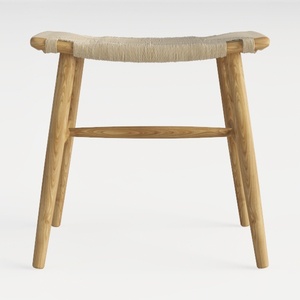
Maven Lane 31" Sophia Backless Bar Stool
Homestyler is your go-to online home design platform, ideal for bringing your creative vision to life! With its user-friendly design tool, stunning 3D renderings, and comprehensive video tutorials, transforming your space has never been easier. Start designing your dream home today!
Concevez maintenant gratuitement
































