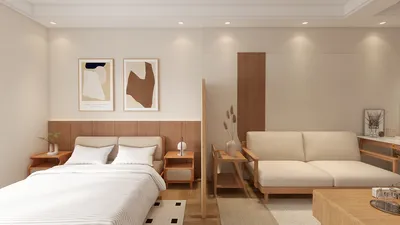


I have crafted and detailed countless table mats for homes, hospitality environments, and workspaces, with optimal outcomes always emphasizing a balance of durability, comfort, and aesthetic appeal. An effectively designed mat can subtly enhance posture by stabilizing dishware, diminishes glare and noise, and sets the tone for the color scheme of an entire room. Research from Steelcase highlights that sensory comfort—encompassing light, acoustics, and tactile elements—has a direct link to perceived productivity and well-being, a principle that translates effectively into dining and social areas. Additionally, insights from Herman Miller stress the importance of tactile quality and edge comfort, particularly on surfaces frequently touched. These findings guide my approach to designing mats that are not only visually sophisticated but also comfortable and functional, especially when using tools like Homestyler.
The psychology of color plays a significant role in influencing behavior around the dining table. According to Verywell Mind, warm tones such as red and orange stimulate appetite and sociability, whereas cooler blues may encourage a more relaxed dining pace—ideal for lengthy, contemplative meals. In addition, the WELL v2 Standard emphasizes the importance of glare management and surface reflectance for visual ease; selecting a mat with a low-sheen finish can help alleviate eye strain in well-lit settings. I strive to utilize mid-tone, matte fabrics that contrast harmoniously against the table’s surface to prevent visual fatigue.
Before any cutting or stitching begins, it’s crucial to evaluate the dimensions and curvature of the table edges, as well as the space available for seating. For rectangular tables, a traditional ratio of 2:3 between the mat size and the width of the place settings is effective, allowing sufficient reach for utensils without crowding the plate. If multiple seating arrangements or an irregular centerpiece is planned, using digital tools like an interior layout planner or Homestyler can help visualize space, alignment, and the overall flow across the table.
Materials and Durability: Choose Wisely, Combining Aesthetics with Functionality
The choice of materials significantly affects the longevity and day-to-day usability of table mats. Natural fabrics such as linen and cotton offer breathability and graceful draping, while coated textiles like oilcloth and waxed canvas provide superior resistance to stains. Cork composite is excellent for noise reduction and offers good grip beneath plates. Vegan leather (PU) ensures a sleek surface that is easy to clean, although it’s important to verify its heat resistance if serving hot dishes. To protect wood tables from scratching, soft-back mats such as those made from felt or microfleece can serve as effective protectors without shifting. For eco-conscious customers, consider using recycled PET felt or FSC-certified cork; both materials endure well and can be cut cleanly with a rotary knife.
Size and Shape: Achieving Perfect Proportions
Standard dinner plates typically measure 10–11 inches across; it’s advisable to leave a margin of at least 1.5–2 inches around each plate for cutlery and glassware. This results in a standard mat width of approximately 14–16 inches and a length of 18–20 inches for conventional Western-style settings. For circular dining arrangements, oval or rounded-rectangle mats can soften the overall shape and prevent accidental collisions at the edges. If the table features pronounced rounded corners, mirroring these with 8–12 mm roundings on the mat enhances visual equilibrium and minimizes fraying.
A DIY Step-by-Step Guide
1) Measure and mock up: Use tape to outline one place setting on the table; mark where the plate, cutlery, and glass will be. Ensure there’s ample elbow room—aim for 22–24 inches per person at rectangular tables.
2) Create a template: Utilize cardstock or craft board to draft the outline for your mat. Include corner roundings and indicate the grain direction for woven fabrics.
3) Cut accurately: For fabric, a rotary cutter along with a self-healing mat provides crisp cuts. For cork or leatherette, a sharp utility knife and a metal ruler work best; score lightly before completing the cut.
4) Secure edges: Use stay tape beneath hems, or apply flexible acrylic edge paint on PU leather to prevent peeling. For cork mats, sealing with a matte water-based polyurethane enhances stain resistance.
5) Stitch or bond: Hem linens with a 3/8 inch double-fold, and topstitch at 3 mm for a polished appearance. For no-sew solutions, consider heat-activated hemming tape or contact adhesive that is suitable for the chosen material.
6) Finishing touches: Allow any coatings to cure following the manufacturer’s guidelines. A low-sheen finish not only improves glare management but also gives a sophisticated look under warm lighting.
Color, Pattern, and Rhythm
Establish a color palette featuring a dominant tone (60%), a supportive shade (30%), and a highlight (10%). For a serene dining atmosphere, mid-tone neutrals paired with muted accents are effective; for celebrations, consider a small-scale geometric pattern that reflects architectural lines. Pay attention to the table’s surface—the contrast between dark tables and lighter mats can enhance plate visibility, positively impacting visual ergonomics. If utilizing bold prints, opt for simple mat edges to prevent visual clutter; rhythm in design often arises from repetition rather than complexity.
Lighting and Glare Management
With lighting set to 2700–3000K, satin or matte finishes can help diminish specular highlights. According to WELL v2 guidelines regarding visual comfort, it's beneficial to avoid high-gloss surfaces that can reflect pendant lights. If hosting gatherings by candlelight, it’s wise to test your mats for flicker; using micro-textures can diffuse reflections, enhancing visibility of glassware and contributing to a more relaxed dining atmosphere.
Acoustic Comfort and Tactility
Hard surfaces tend to amplify sounds such as clinking dishes or scraping cutlery. A thin layer of cork or felt beneath the mats can help muffle mid-to-high frequency noise and provide stability for glassware. The contrast in texture—a smooth plate on a soft mat—creates a composed experience and minimizes jitters when serving; this becomes particularly noticeable in open-plan living spaces.
Maintenance, Care, and Longevity
Consider pre-treating natural fabrics with a stain guard if meals involve wine or sauces often. Wipeable surfaces should be maintained with pH-neutral cleaning solutions, avoiding strong solvents that could damage PU finishes. Regular maintenance for cork includes a quick weekly cleaning and occasional resealing to keep edges resilient. Rotating mats can also help in distributing wear and preventing fading from sun exposure.
Seasonal and Event Adaptations
Adjust colors and textures to align with the seasons—use linen in summer, waxed canvas during wetter months, and richer tones for winter. During festive occasions, layering a runner under the mats can create a striking visual spine while maintaining an organized feel for place settings.
Tips for Arranging Multiple Settings
When hosting for four or more guests, ensure consistent spacing from the table edge (ideally 1.5–2 inches from the mat to the table’s perimeter). Align mats with the centerlines of the chairs for unobstructed views. If the table features a live edge or unique design, experiment with layout simulation tools such as Homestyler to effectively map alignment, sustaining a balanced arrangement across all seating.
For considerations related to visual comfort and glare reduction, refer to WELL v2 resources; meanwhile, research archives from Herman Miller provide valuable insights into ergonomics for surfaces frequently in contact.
Frequently Asked Questions
Q1: What size is ideal for a typical dinner table mat?
A: The recommended dimensions are around 14–16 inches in width and 18–20 inches in length, allowing for a margin of 1.5–2 inches around a standard 10–11 inch plate, while including space for utensils and glassware.
Q2: Which materials offer the best stain resistance for DIY mats?
A: Options like waxed canvas, oilcloth, and PU vegan leather can be easily wiped clean. Cork sealed with a matte water-based finish also resists stains without creating glare.
Q3: How do I minimize glare from pendant lighting on glossy mats?
A: Opt for matte or satin finishes along with mid-tone colors. The visual comfort criteria provided by WELL v2 suggest using lower reflectance materials to reduce eye strain.
Q4: Can table mats contribute to reducing noise on solid surfaces?
A: Absolutely. Using cork, felt, or soft backing helps diminish the clinking and scraping noises, enhancing acoustic comfort in open-plan living areas.
Q5: What techniques are effective in preventing fraying or peeling at the edges?
A: For linens, double-fold hems are effective; utilize flexible edge paints for PU, and ensure sealed edges for cork materials. Employ stay tape or topstitching for greater seam stabilization.
Q6: How should I coordinate the mat colors with my table’s surface?
A: Aim for a contrast that enhances the visibility of the plate, such as light mats on dark tables or warm neutrals on cooler surfaces. Don’t forget about color psychology; warm highlights can encourage a lively atmosphere.
Q7: How much space should be designated per individual when arranging mats?
A: Allocate approximately 22–24 inches per person at rectangular tables to ensure comfortable elbow space and avoid collisions with glassware.
Q8: What is an effective no-sew method for creating DIY mats?
A: Consider using heat-activated hemming tape for fabric, or contact adhesive compatible with cork or leatherette. Employing a rotary cutter or utility knife can yield clean edges.
Q9: Are there sustainable materials that maintain high performance?
A: Recycled PET felt and FSC-certified cork not only provide durability but also contribute to a quieter environment and can be cut neatly with minimal waste.
Q10: How do rounded corners influence the durability of mats?
A: Rounded corners measuring 8–12 mm lessen the concentration of stress and fraying, thus enhancing durability while offering a softer visual appeal.
Discover your inner designer with Homestyler! This user-friendly online platform offers a powerful design tool, stunning 3D renderings, and a wealth of DIY video tutorials. Whether you’re planning a simple update or a complete makeover, Homestyler makes bringing your vision to life easy and enjoyable.
Zaprojektuj teraz za darmo
































