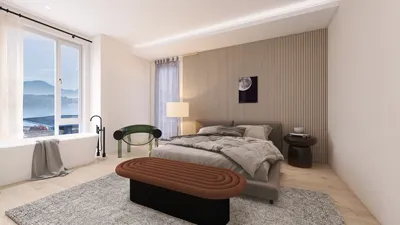


Designing a stage floor plan can often feel overwhelming, particularly for those who are new to the realms of event planning or theatrical productions. However, with the right resources and support, you can craft a stage layout that not only fulfills the requirements of your performers but also captures the attention of your audience. The initial step in creating an effective stage floor plan is to fully comprehend the available space. Whether you find yourself in an intimate theater or a spacious auditorium, it’s essential to grasp the dimensions and configuration of the stage area. Armed with this knowledge, you can start to outline your floor plan. Be mindful of the various elements that will occupy the stage, including props, set pieces, and lighting arrangements. Each of these components consumes space, so thoughtful arrangement is key to ensuring a seamless performance. Furthermore, consider the movement flow on and off the stage. It's crucial to design a layout that facilitates easy entrances and exits for performers without disturbing the overall performance flow. Outlining pathways for both actors and crew can significantly reduce disruptions during shows. Also, think about the audience's sightlines. An effectively planned stage floor layout should guarantee that every audience member enjoys an unobstructed view of the action taking place on stage. After drafting your preliminary design, it’s time to refine your concept. Team up with directors, stage managers, and designers to solicit feedback and make necessary revisions. This collaborative effort will enable you to create a more visually appealing and efficient stage arrangement. Don’t overlook the importance of leveraging technology to aid your design process! Nowadays, various software options are at your disposal that can assist you in crafting sophisticated and professional-looking stage floor plans. Tools such as Homestyler, for example, provide a comprehensive suite of features that allow you to visualize your stage layout in 3D, simplifying the process of seeing how all elements will integrate. Lastly, keep in mind that a stage floor plan is a dynamic document. Stay open to making adjustments as necessary. Rehearsals may uncover unforeseen challenges, and your ability to adapt your plans will contribute to a more successful performance. By following these guidelines, you’ll be well on your journey to creating a stage floor plan that not only boosts your production but also enchants your audience!
Tips 1:
Always keep the audience's viewpoint in focus when crafting your stage floor plan. This will greatly enhance the experience for all participants!
FAQ
welcome to Homestyler
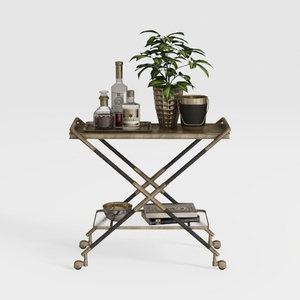
Industrial Metal Wood Rolling Serving Cart 3D Model
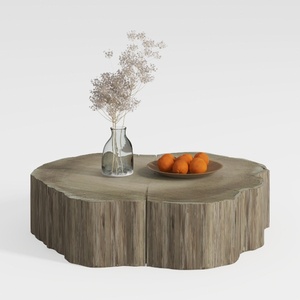

Rustic Solid Wood Stump Coffee Table Natural Organic Design 3D Model

Minimalist Black Solid Wood Irregular Coffee Table 3D Model
Homestyler is an amazing online home design platform that allows you to easily create and visualize your dream spaces. With its user-friendly design tool, stunning 3D renderings, a vast collection of design projects, and helpful video tutorials, turning your home ideas into reality has never been easier!
立即免费设计
































