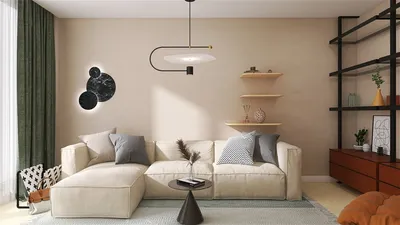


I've crafted countless tables, and the raft table style remains a personal favorite: a rhythmic arrangement of slats—the "raft"—resting on a sturdy and elegant base. Its design is both crisp and sculptural, seamlessly integrating into everyday life. A well-proportioned raft table serves as an anchor in spaces like living rooms, entries, or studio lounges, all without overwhelming the visual balance of the area.
When determining dimensions, I prioritize human ergonomics. Research from Steelcase suggests that the ideal coffee table height ranges from 16 to 19 inches, promoting comfort for casual use in lounge seating. Similarly, WELL v2 supports furniture heights that diminish forward flexion, aligning with this range. In living spaces, I typically aim for a height of about 17 inches, ensuring that the table’s length is approximately two-thirds the sofa’s length for a harmonious composition.
The selection of materials influences both the ambiance and durability. I tend to favor hardwoods like white oak, ash, or walnut for the raft slats due to their striking grain patterns in natural light and their graceful aging. Research by Herman Miller emphasizes the value of tactile warmth in encouraging relaxed interactions—this translates to residential settings where wooden surfaces invite touch, reduce visual chaos, and lower glare compared to glossy laminates. Pairing these hardwood slats with a powder-coated steel or solid wood apron/base enhances stability. I monitor VOCs, opting for waterborne finishes and plant-based oils that meet WELL v2 standards for air quality, while also maintaining the wood's natural feel.
Design Intent: Rhythm, Balance, and Light
The visual appeal of a raft table lies in its rhythmic patterns. Uniformly spaced slats establish a subtle rhythm that complements linear area rugs or paneled walls. I prefer slats around 1.5 to 2 inches wide with gaps of 0.25 to 0.375 inches—this ratio achieves a fresh look without excess intricacy. If your space feels soft, perhaps with curved sofas and plush textures, opting for slightly wider slats can provide visual stability. In brightly lit areas, a matte finish around 20 to 30 gloss units will help minimize glare. I've noticed that ambient lighting of 3000 to 3500K enhances the richness of walnut, while oak shines best in the 3500 to 4000K range, where its warm undertones remain consistent. IES recommendations on glare control advocate for diffuse lighting sources and off-axis placements to avert hotspots.
Proportions and Spatial Rules
Tables should respect circulation and reach. Maintaining a distance of 16 to 18 inches between the sofa’s front and the table edge facilitates comfortable passage for legs. Additionally, leave at least 30 to 36 inches clear on primary walking paths. In smaller spaces, consider reducing the table width slightly and implementing thinner rails or a recessed plinth to create a lighter overall silhouette. If you're exploring multiple designs, consider using a layout tool—like Homestyler—to visualize the spacing before committing to cutting your materials.
Materials: Durable, Repairable, Honest
For slats, I often select quarter-sawn white oak for stability, though ash is great for a brighter appearance. Walnut adds a rich depth but requires UV-protective finishes to reduce color fading. I tend to avoid overly brittle wood types—beech is prone to denting, and exotic woods might have unpredictable behaviors. For the base, a powder-coated steel or solid hardwood apron with hidden fasteners offers a clean look. The finish should preferably be a low-VOC waterborne polyurethane or hardwax oil, which can be sanded and reapplied easily. Rounded edges of 1/16 to 1/8 inch help prevent chipping and improve tactile experience.
Ergonomics and Use Patterns
Coffee tables serve multiple functions: accommodating drinks, laptops, board games, and even resting feet. Establishing load expectations is crucial: a typical raft-style table featuring solid slats of 1.5 to 2 inches and two cross rails can manage daily use quite well if the rails measure 1 to 1.25 inches thick and are spaced no more than 12 to 14 inches apart. Designing for a minimum distributed load of 100 to 150 pounds is advisable. If you expect to store heavy art books, incorporating a third cross rail and broadening the support surface at each corner is an excellent alternative. Ensuring corners are eased can minimize injuries in tight living areas.
Acoustics and Tactility
Wooden tops naturally absorb sound better than glass surfaces. In lively environments with hard flooring and minimal textiles, opting for a matte oil finish while adding felt pads or a thin cork underlayment on the base can significantly reduce both surface resonance and echoing effects. The gaps between the slats disrupt sound reflections, diminishing the "slap" echo often associated with expansive flat surfaces.
Step-by-Step Build Overview
1) Dimensioning: Choose the final dimensions (e.g., 46 x 24 x 17 inches). Create a cut list for slats, rails, apron/base, and feet. 2) Milling: Joint, plane, and rip slats to a uniform width while monitoring moisture levels to minimize seasonal shifts. 3) Base: Assemble the apron or weld the steel frame, ensuring it is square. 4) Rails: Pre-drill pocket holes or consider floating tenons. I prefer using mechanical fasteners alongside glue for added durability. 5) Slat Layout: Use spacers to maintain consistent gaps. Prepare a dry fit and mark positions. 6) Fixing: Apply glue sparingly to minimize squeeze-out, and use screws from below for components meant to be disassembled. 7) Edge Treatment: Round edges slightly and sand from 180 to 220 grit; raise the grain and conduct final sanding thereafter. 8) Finish: Apply two to three coats of waterborne polyurethane or two coats of hardwax oil, ensuring to de-nib between applications. 9) Feet: Install low-profile glides or adjustable levelers to compensate for uneven flooring. 10) Final Check: Confirm height, ensure stability, and check for uniform gaps throughout.
Color Psychology and Finish Selection
Even neutral-colored tables convey emotional significance. According to insights shared by Verywell Mind on color psychology, warmer shades create an inviting and invigorating atmosphere. Walnut with a warm oil finish fosters coziness, while ash in a clear matte sheen appears fresh and airy. For vibrant settings, charcoal-stained oak balances bold colors without overpowering them. I typically refrain from using overly cool grays in dimly lit spaces, as they can wash out the overall ambiance.
Sustainability Notes
Whenever possible, select FSC-certified lumber and focus on using repairable joinery techniques. A raft table is easy to maintain: individual slats can be refinished without the need to strip the entire surface. Low-VOC finishes and durable hardware enhance the product's lifespan, allowing it to remain a fixture for years to come. Offcuts can serve as coasters or small trays—a technique that promotes sustainable practices in woodworking.
Safety and Stability
To ensure stability, it's essential to maintain a low center of gravity. A recessed plinth or splayed legs can significantly improve the table's resistance to tipping, which is especially important in homes with children. If the base is metal, consider incorporating soft edges or caps for safety. If you prefer enhanced moisture protection in the gaps, pre-finish slats prior to assembly, but make sure to mask glue areas to ensure strong adhesive bonds.
Styling and Integration
Complement the raft table with a textured rug to enhance the interplay of shadows beneath the slats. In brightly lit rooms, a linen or bouclé sofa can soften the table's linearity; in minimalist spaces, let the raft's grain take center stage with minimal accessories—perhaps just a tray, a low bowl, or a stack of books. Aim to maintain sightlines below 18 inches to keep the area feeling open and airy.
Maintenance
For oiled finishes, an annual refresh with a light buff and re-oiling is recommended. For waterborne polyurethane finishes, clean periodically with a damp cloth and steer clear of ammonia-based cleaning solutions. Addressing scratches can be managed by spot sanding with a 320 grit and blending the finish; wood naturally ages beautifully, so minor wear can be embraced as part of its character.
Authority References for Planning
The WELL v2 framework provides valuable insights on materials and air quality, supporting choices in low-VOC finishes. Additionally, research from Steelcase on lounge height and reach assists in selecting ergonomic coffee table heights. Both sources underscore the importance of creating a comfortable and health-conscious user environment.
FAQ
Q1: What height should a raft coffee table be?
A: I typically aim for a height of 16 to 19 inches; 17 inches is ideal for most lounge seating, supporting a healthy posture as suggested by WELL v2 and Steelcase research.
Q2: How wide should the slats and gaps be?
A: For the slats, widths of 1.5 to 2 inches with corresponding gaps of 0.25 to 0.375 inches strike a balance between rhythm and structural strength. Wider slats feel more restful, while narrower slats add detail.
Q3: Which wood species perform best?
A: White oak, ash, and walnut are top contenders. Oak is known for its durability; ash stains evenly; walnut offers a lovely warmth, especially with UV-blocking finishes.
Q4: How do I manage glare on the tabletop?
A: Applying matte finishes within the 20 to 30 gloss units and utilizing warm-neutral lighting (3000 to 4000K) will help reduce glare. Off-axis placements of indirect lighting sources are also effective.
Q5: Can I use a glass top over the slats?
A: While glass can be used, it alters acoustics and may increase glare. If you prefer a glass surface, opt for low-iron tempered glass with anti-reflective coatings and soft spacers to mitigate visual issues.
Q6: What joinery is best for the slat-to-rail connection?
A: Floating tenons or screws from below combined with glue are effective. Mechanical fasteners simplify repairs, particularly for tables subjected to frequent use.
Q7: How do I size the table relative to my sofa?
A: Ideally, keep the table length about two-thirds of the sofa length, ensuring a clearance of 16 to 18 inches from the front edge for optimal reach and flow.
Q8: Is a metal base better than wood?
A: Metal bases offer slimmer profiles and robust rigidity, while hardwood aprons convey a warmer aesthetic. Your choice should align with your tools and intended design style.
Q9: What finish is safest for indoor air quality?
A: Low-VOC options such as waterborne polyurethane and plant-based hardwax oils are ideal, aligning with WELL v2 standards for air quality. Ensure full curing before heavy use.
Q10: How much weight can a raft table hold?
A: With solid hardwood slats and either two or three cross rails, I recommend designing for a minimum distributed load of 100 to 150 pounds. Consider a third rail if you plan on handling heavier items like books or artwork.
Q11: How do I keep the table stable on uneven floors?
A: Installing adjustable levelers or felt glides can help, while a recessed plinth base generally enhances stability by lowering the center of gravity.
Q12: What’s the best way to maintain the finish?
A: For oiled surfaces, an annual application is best; for polyurethane, clean with a moist cloth and avoid harsh chemicals. You can spot sand scratches and mix finishes to maintain uniformity.
Discover your inner designer with Homestyler! This user-friendly online platform offers a powerful design tool, stunning 3D renderings, and a wealth of design projects. Plus, with DIY video tutorials, you’ll have everything you need to transform your space effortlessly. Start creating today!
Design Now for FREE
































