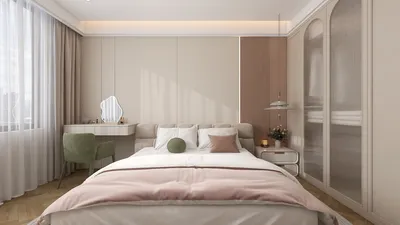


Well-designed, compact end tables serve various purposes—they create pathways, anchor seating arrangements, and encourage activities such as reading or entertaining. In my living room designs, I prefer a table height that allows for easy reach, ideally 16–20 inches from the front of the sofa, which enhances comfort and minimizes any awkward stretches. According to Steelcase research, optimizing the arrangement of furniture contributes to fewer interruptions in daily activities, thereby improving overall comfort and focus at home. Moreover, adhering to WELL v2 guidelines on visual comfort suggests that positioning a task lamp at arm's reach on a stable surface can promote healthier light habits in the evening.
Correct height is crucial. Typical sofas are 17–19 inches off the ground, so I aim for an end table that is within one inch of the sofa arm's height for optimal ergonomic reach. WELL v2 also highlights the importance of minimizing glare and balancing light—by placing a lamp on a low, matte surface, we reduce any distracting reflections that may occur with glossy finishes. Although these adjustments may seem minor, they together contribute to an inviting and tranquil living space.
Project Overview: Creating Your End Table
You’ll be crafting a stylish, functional end table suited for most living rooms, with dimensions of 18–20 inches for both height and top diameter. I will outline two construction methods: one using solid wood and another utilizing plywood veneer, along with a quicker metal frame alternative for those interested in hybrid building techniques. The design ensures sufficient clearance, ideally 30–36 inches in the primary pathways, while its proportions harmonize well with both low-profile and traditional sofas.
Essential Materials and Tools
Wood construction: use 3/4 inch solid hardwoods like oak, ash, maple, or walnut, or a quality plywood with an edge band for the top; for the legs and aprons, 1.5 x 1.5 inch lumber works well. For a metal version, consider 1 inch square steel tubes for a basic welded frame. Other supplies include wood glue, pocket screws or dowels, and a finish of either waterborne polyurethane or hardwax oil. Essential tools comprise a circular saw or table saw, a drill/driver, clamps, a random-orbit sander, and a square.
Proportions That Work
When creating smaller tables, I adhere to a 1:1 ratio for the top and keep the height between 95–110% of the sofa arm height. A visual setback of 15–20% between the top edge and legs or aprons enhances the table's perception of lightness, without compromising stability. For round tables, three legs can provide an airy feel, while four legs are advisable for households with children or pets to ensure stability. Maintaining a low center of gravity, either through heavier aprons or a recessed shelf, boosts overall stability.
Cut List (Example: 18 x 18 x 19 inches)
- Top: 1 piece, 18 x 18 x 3/4 inches
- Aprons: 4 pieces, 14 x 3 x 3/4 inches (adjust according to your joinery method)
- Legs: 4 pieces, 1.5 x 1.5 x 18.25 inches (final height includes top thickness)
- Optional shelf: 1 piece, 12 x 12 x 3/4 inches, positioned 5–6 inches off the ground
Joinery Methods and Stability
- Pocket screws: Fast and discreet within aprons; add glue for extra rigidity.
- Dowels or biscuits: Provides a neat appearance, ideal for beginners looking for alignment accuracy.
- Mortise and tenon: Offers superior durability, suitable for those with proper tools.
- Metal frame: Welded corners, with the wooden top secured from below through slotted holes to allow wood movement.
Step-by-Step Assembly
1) Prepare and square the parts: Ensuring straight, square edges simplifies the process. Look for any warping before final cuts.
2) Test fit the base: Clamp aprons onto legs to check for evenness and squareness before committing to cuts or joinery.
3) Cut joinery: Create pocket holes or dowel holes positioned 3/8 inches from edges, aiming for 2–3 fasteners per joint for security.
4) Glue and secure the base: Verify diagonals align; if they match, your assembly is square. Adding inner corner blocks increases resistance to racking.
5) Prepare the top: For solid wood, glue boards with grains aligned; for plywood, apply edge banding and ensure it's flush. Round off edges for comfort.
6) Attach the top: Use figure-8 fasteners or Z-clips to accommodate seasonal changes in solid wood. For plywood, fix it through elongated holes in aprons.
7) Sand and apply finishes: Smooth to 180–220 grit. For reduced glare and hassle-free maintenance, I favor a waterborne satin polyurethane or hardwax oil, which preserves the wood's natural hue and limits glare under lamps.
Surface Texture, Color, and Light Interaction
Glossy surfaces enhance glare near lighting; opting for matte to satin finishes ensures light remains balanced around seating areas, easing eye strain under reading lamps. From a psychological perspective, mid-tone woods like oak or walnut provide a warm ambiance, while muted blues or greens in paint can foster a calming atmosphere for relaxed evenings, in line with recognized color psychology principles.
Ergonomics: Tailoring to the Sofa
- Height: End tables should align within ±1 inch of the sofa arm height (typically ranging from 17–19 inches).
- Reach: Position the table edge 16–20 inches away from the sofa's front for convenient access.
- Lamp Positioning: Ensure the lamp sits in the center or back corner of the table to avoid cord tangles in high traffic areas.
Acoustics and Material Considerations
Hard, smooth surfaces can amplify sounds when glasses are set down. To reduce noise transmission, consider adding a thin cork or leather insert as well as coasters. On rugs, wider leg bases or felt pads can help prevent impressions and dampen vibrations from foot traffic.
Layout and Placement Tips
Position end tables where they are most convenient for users, typically the front third of the sofa's arms or slightly forward. Maintain 30–36 inches of clearance for main thoroughfares and 18–24 inches for secondary paths. When experimenting with sizes—square versus round or with and without shelves—using painter's tape to outline your intended footprint can be helpful. Additionally, utilizing a room layout tool like Homestyler can facilitate assessments of spatial arrangements prior to cutting materials.
Reliable Finishing Techniques
- Neutral wood finish: Apply 3–4 coats of waterborne polyurethane in satin, lightly sanding in between.
- Rich wood finish: Use hardwax oil in 2–3 coats; gently burnish the final application for a soft sheen.
- Color-blocked surfaces: Combine shellac primer with enamel or high-quality waterborne paint, finishing with a matte clear coat for resistance against fingerprints.
Sustainability and Longevity
Opt for FSC-certified hardwoods or high-quality veneer plywood to minimize waste. Waterborne finishes produce lower VOCs and odors. If high use is anticipated, consider a replaceable top panel or a robust edge profile that allows for refinishing without redesigning the entire piece.
Common Issues and Solutions
- If the table wobbles slightly, sand or plane the longest leg; adding felt pads can help achieve balance.
- For visible pocket holes, use plugs that match the wood and position the holes on the least exposed edges.
- For seasonal wood movement, if a solid wood top begins to bow, ease the fasteners, allow it to settle, and then re-tighten using slotted hardware.
Safety and Load Capacity
An 18-inch square table with 1.5-inch thick legs and glued apron joints can support between 10–15 lb for the lamp plus an additional 10–20 lb for books. For heavier items, such as tall lamps or stone tops, reinforce the structure with corner blocks and use thicker aprons (approximately 3.5 inches) to increase stability.
Design Variations
- Scandinavian Style: Light ash, slim aprons, and bevel-topped surfaces.
- Mid-century Variation: Tapered legs, walnut veneers, and rounded edges.
- Industrial Aesthetic: Blackened steel bases paired with oak tops featuring eased corners.
- Coastal Feel: A softly painted base in gray-blue paired with a whitewashed oak top.
Citations and Supporting Research
Fresh insights based on ergonomic principles and lighting strategies stem from the WELL v2 Light concept emphasizing glare management and visual satisfaction, alongside Steelcase’s research on human-centered workplace design addressing adjacency and micro-interruptions. For further exploration of these principles, visit wellcertified.com and steelcase.com/research.
Frequently Asked Questions
Aim for a tabletop height within ±1 inch of the sofa arm (generally, this ranges from 17 to 19 inches). This height promotes natural reach and prevents shoulder strain when placing items.
Round tables tend to appear softer in tight spaces, minimizing the risk of bumps, whereas square tables optimize surface area for use and align neatly with rectangular sofas; your choice should depend on the expected traffic flow.
Design for 30–36 inches of space in main walkways and 18–24 inches for secondary routes. Always ensure at least a 2-inch gap from the sofa arm to prevent fabric rub.
Choose matte to satin finishes, such as waterborne polyurethane or hardwax oil. Lower sheen options help diffuse highlights and enhance visual comfort during evening hours.
Hardwoods like oak and ash are durable and accessible, providing beautiful finishes. Maple offers durability but requires more care for even staining. Walnut contributes rich color but at a higher cost.
Employ Z-clips or figure-8 fasteners to allow for natural expansion of the top. Refrain from adhering the top directly to the aprons to maintain flexibility.
Absolutely. Ensure the shelf is inset 1–1.5 inches from the leg faces and positioned 5–6 inches above the floor. Incorporate slats or a thinner panel for a lighter appearance.
Pocket screws with glue create reliable joint strength—clamp them squarely. Dowels provide a polished outcome with a slight learning curve.
To minimize sound, add cork or leather pads, and keep coasters nearby. Utilizing felt pads beneath lamp bases can reduce noise and preserve finishes.
Equip the table with nylon or felt pads on all legs. If heavy, consider wider pads to evenly spread weight and prevent indentations in softer woods.
Muted hues like blues and greens create a calming atmosphere, while warm mid-tone woods contribute comfort without overwhelming visuals. Maintain a low to moderate sheen for a relaxed environment.
A standard build featuring 1.5-inch thick legs and glued aprons can safely manage everyday loads (lamp plus books around 25–35 pounds). For heavier stone tops, reinforce corners and aprons appropriately.
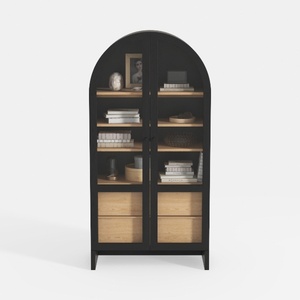
Modern Black Oak Arched Glass Display Cabinet 3D Model
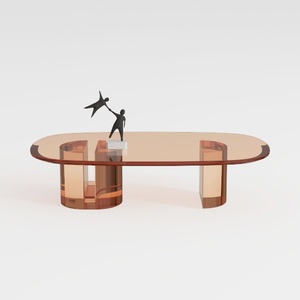

Modern Amber Glass Oval Coffee Table 3D Model
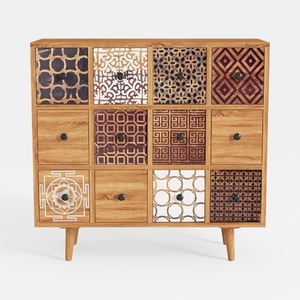
Bohemian Solid Wood Multidrawer Accent Cabinet With Patterned Fronts 3D Model
Homestyler is your go-to platform for stunning home design. With its user-friendly online design tool and impressive 3D rendering features, you can visualize your projects like a pro. Plus, dive into a wealth of design projects and video tutorials to inspire your creativity and bring your ideas to life effortlessly!
立即免费设计
































