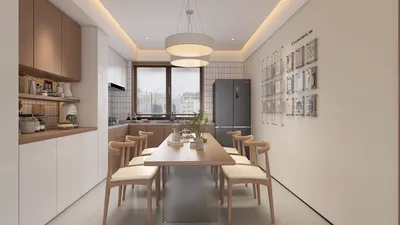


I’ve crafted numerous herringbone tables, and each one maintains its unique charm: the striking geometry, the accommodating pattern alignment, and a finish that complements both contemporary apartments and rustic residences. This guide emphasizes a user-friendly approach, simplifying cuts while achieving a sophisticated, upscale appearance.
The importance of well-crafted work surfaces extends beyond mere aesthetics. Research from Gensler reveals that 44% of employees feel that the quality of their physical environment influences productivity. Key elements such as durable surfaces, effective lighting, and comfort are pivotal (Gensler Research Institute). Proper lighting also enhances perceived craftsmanship; the IES suggests that target illuminance should range from 300–500 lux for task-oriented work, aiding in identifying glue squeeze-out and misaligned edges during assembly (IES standards). I maintain approximately 400 lux on my workbench, utilizing 3500–4000K neutral-white lighting for accurate color evaluation.
Planning Your Build
Begin by outlining a clear plan: a 60" x 30" dining/desk hybrid is ideally suited for compact homes and apartments. To comfortably accommodate four people, aim for a width of 30–36", ensuring roughly 24" per person along the longer sides. The overall height should be planned between 29–30", paired with a 1–1.25" thick top, while allowing for at least 25" of legroom clearance.
To visualize your layout before making cuts, consider utilizing a room layout simulation tool, such as the one found on platforms like Homestyler, to verify table proportions in relation to movement space (aiming for a minimum of 36" around the table for easy navigation). Steelcase research indicates that sufficient circulation promotes movement and lowers micro-stress during tasks—ensuring pathways around your table enhances daily usability.
Materials and Tools
Materials (suitable for beginners):
Tools:
Design Logic: Herringbone vs. Chevron
Herringbone utilizes rectangular pieces arranged at 90° angles, creating a staggered zig-zag effect. In contrast, Chevron requires mitered ends at 45° to create continuous V shapes. For initial projects, herringbone is more accommodating since you can trim edges after assembly rather than needing precision-mitered strips. The pattern not only brings visual rhythm but also camouflages slight width discrepancies more effectively than straight-lay boards.
Step 1: Prepare the Substrate
Trim your plywood or MDF tabletop to its final dimensions, adding a 1/2" overage on all sides for trimming. Ensure the surface is flat; if necessary, shim or clamp it across a level surface. Seal the underside with a thin layer of finish or shellac to mitigate moisture imbalance and prevent future cupping.
Step 2: Establish a True Centerline
Create a chalk line down the midpoint of the table lengthwise. In herringbone layouts, this line serves as a reference for your first two opposite strips, ensuring pattern symmetry. Measure diagonally from corner to corner; when measurements correspond, you're square. I strive to keep my tolerance within 1/16" across 60"—even minor discrepancies can be amplified throughout the pattern.
Step 3: Rip and Pre-fit Strips
Uniformity in width is more crucial than perfect length. Rip all strips to the same width and categorize them by color and grain to alternate light and dark tones for a balanced visual effect. Conduct a dry run along the centerline to verify angle alignment and ensure end overhangs are satisfactory.
Step 4: Glue-Up Rhythm
Apply a thin, uniform layer of glue on the substrate—too much glue can lead to squeeze-out and gaps. Begin at the centerline, placing one strip to the left and mirroring the other on the right at 90°. Continue working outward in pairs. Secure each piece with a pin or brad near the tail end to prevent shifting. Employ cauls and light clamping every 8–12" to maintain a flat surface.
Step 5: Trim Flush and Frame
Once the glue has cured, flip over the top and use a flush-trim bit or track saw to cut any overhang. Attach a mitered border crafted from 1" x 2" hardwood; check 45° miters, dry-fit, then glue and clamp. This frame not only safeguards the edges but also visually contains the pattern, minimizing visual noise and providing the top with a sophisticated finish.
Step 6: Sanding Strategy
Start with an 80 grit sandpaper to level any uneven areas, followed by 120 and 180 grits. Keep your sander flat; tilting can round the edges. Vacuum between grits to avoid swirl marks. If using oak, be prepared for open grain; a light grain fill can enhance sheen uniformity. I usually stop at 220 before applying hardwax oil; for high-traffic dining tables, sand to 320 for polyurethane treatment.
Step 7: Finishing for Durability
Select a finish based on its intended use: hardwax oils offer easy repair options and a matte, tactile texture; waterborne polyurethane provides superior abrasion resistance, less odor, and a quicker curing time. Apply thin layers, sanding gently between applications. Aim for a sheen that complements your interior design—matte finishes conceal fingerprints, while satin offers a subtle depth without shine.
Base Options and Ergonomics
For novices, a straightforward trestle or four-leg base is the most manageable choice. Ensure knee clearance of approximately 25" and avoid center braces that may interfere with chair placement. If you plan to use this table for laptop work, think about including cable pass-through grommets and under-top battens for added support. Research from Herman Miller underscores the connection between posture support and sustained comfort; translating that into table design implies stable heights and unobstructed legroom (Herman Miller research).
Color and Space Integration
Color psychology suggests that warmer woods foster a sense of coziness, while cooler hues create an airy feel. According to Verywell Mind, warm colors can enhance perceived intimacy, whereas cool palettes promote calm focus. In smaller spaces, combining a walnut surface with light walls and neutral bases maintains visual equilibrium. Strive for 36" of circulation space around the table and 48" behind seating if you frequently entertain guests.
Common Mistakes and Fixes
Maintenance
For hardwax oil finishes, refresh the surface annually with a light rub-in coat. For polyurethane finishes, clean with mild soap and water while steering clear of abrasive cleaners. Utilize felt pads under centerpieces and coasters to minimize micro-scratches on the surface. Maintaining a stable humidity level of 35–55% will keep wood movement predictable and manageable.
FAQ
Estimate approximately 15–20% extra material beyond the net surface area to accommodate trimming and selection. For 12–15 sq ft, aim to purchase at least 14–18 sq ft of strips.
Yes, a circular saw paired with a straightedge can achieve consistent width cuts. Pre-milled strips can save time and reduce potential errors.
The classic herringbone pattern is laid out with rectangular pieces at 90° intersections, requiring no miter cuts—only square ends are necessary.
Waterborne polyurethane is known for its robust stain and wear resistance, quick curing time, and preservation of the wood's natural color. While hardwax oil is easier to repair, it may require occasional maintenance.
Establish a centerline and methodically work outward in a balanced manner. Regularly check squareness with a carpenter’s square and apply light clamps to prevent glue creep during the process.
Plywood is generally more moisture-stable and accommodates fasteners effectively. MDF provides a flatter surface but is more susceptible to edge damage; thus, sealing edges is essential for longevity.
A height of 29–30" suits most chairs and users, while maintaining a top thickness of around 1–1.25" ensures adequate legroom.
While optional, a frame is recommended as it protects edges, reduces chipping, and visually contains the pattern for a more polished appearance.
Aim for task lighting between 300–500 lux; neutral-white (3500–4000K) aids in accurate color and finish evaluation, aligning with IES recommendations.
Certainly—follow the same process, adjusting dimensions as necessary. Consider using a thinner substrate (1/2–5/8"). Maintain a balanced border to avoid any visual heaviness.
Discover the ease of home design with Homestyler! This user-friendly platform offers a powerful online design tool, stunning 3D renderings, a variety of design projects, and helpful DIY video tutorials. Transform your ideas into reality effortlessly and inspire your creativity today!
Design jetzt kostenlos
































