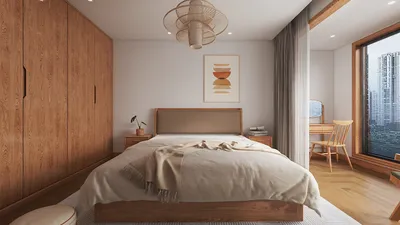


I create durable table legs designed to endure over time. The distinction between a shaky DIY creation and a sturdy table of heirloom quality frequently hinges on effective leg design, which encompasses choices in wood, joinery techniques, proportions, and finish. A well-constructed leg not only supports weight and resists racking but also establishes the visual ambiance of the entire room, making it a vital aspect of your interior design. Tools like Homestyler can aid in visualizing these elements in your space.
Achieving stability is not left to chance. According to research from Gensler, there's a notable link between ergonomic support for posture and productivity, suggesting that improper desk height can increase physical stress (Gensler Research Institute). The WELL v2 system also emphasizes the importance of appropriate height and knee clearance under its Ergonomics principle, recommending desk heights of 28 to 30 inches along with adequate clearance to minimize strain (WELL v2, Ergonomics). These same principles can be applied to table legs: ensuring the correct proportions and heights leads to a more comfortable and natural user experience throughout the day, rather than one that causes fatigue.
Lighting plays a crucial role in both the construction and use of your table. The IES recommends task lighting levels between 300 to 500 lux for detailed tasks, such as measuring and sanding (IES standards). Adequate illumination at this level reduces mistakes during mortise layouts or finish applications and aids in properly identifying the grain direction prior to planing.
Choosing the Right Wood Species
My preferred choices for crafting table legs include hard maple, white oak, and ash. Maple is known for its clean machining and ability to achieve sharp profiles, while white oak offers exceptional compressive strength and distinctive ray-fleck aesthetics. Conversely, ash results in a lighter structure complemented by outstanding shock absorption. If mid-century warmth is desired, walnut’s stability and deep coloration pair beautifully with tapered leg designs. It’s advisable to steer clear of softwoods unless you enhance the thickness of the legs or incorporate stretchers, as density and elasticity significantly affect racking resistance, particularly in narrow sections. Utilizing Homestyler can help you visualize how these wood species may appear in your space.
Proportion, Height, and Spatial Balance
Dining tables generally sit at heights of 29 to 30 inches; coffee tables range from 16 to 18 inches; while console tables measure between 30 to 34 inches. The thickness of the legs must correspond to the mass of the tabletop: a hardwood top that is 1.25 to 1.5 inches thick typically requires legs around 2 to 2.75 inches square prior to any tapering; thinner tops will look appropriate on legs that are 1.5 to 2 inches thick. I maintain a visual ratio of approximately 1:7 for leg length to the minimum thickness of the tabletop for most dining setups, which helps avoid a “stilted” appearance and guarantees lateral stability. In rectangular layouts, remember to factor in foot traffic and space for chair movement; a minimum circulation of 36 inches around the table is ideal. For effective dining area layout or ensuring chair clearance, a room planner from Homestyler can simulate different arrangements and leg placements under varying tabletop sizes.
Joinery That Resists Racking
The key strength lies in the joints. I typically use mortise-and-tenon joinery for connecting aprons to legs, utilizing tenons approximately 1/3 of the leg thickness, with 1.5 to 2 inches of embedment and tight shoulders on all four sides. For modular constructions, loose tenons or clusters of dowels are effective, especially when supplemented with corner blocks. If the table is designed for wider use or dynamic environments, I recommend adding long-grain stretchers or cross rails for added triangulation. An easy racking test involves pushing one corner sideways; a well-constructed assembly should flex minimally and return to its original shape without any squeaking.
Profile Options: Straight, Tapered, Turned
For most applications, three primary leg profiles suffice. Straight, square legs align well with modern aesthetics and simplify joinery. Tapered legs—typically exhibiting a taper from 2.5 inches at the apron to 1.5 inches at the base—lighten the visual weight while maintaining strength at the join. Turned legs introduce curves and can conceal compression zones near the apron in thicker collars. For smaller spaces, I prefer gentle two-plane tapers, as they enhance visual lightness and improve clearance for chairs.
Color, Grain, and Finish Strategy
Color significantly influences the room's mood. According to Verywell Mind’s exploration of color psychology, warm hues promote sociability while cool shades encourage tranquility; I often temper warm walnut with a satin finish to achieve a softer reflection. When working with lighter wood like ash, a matte or low-sheen polyurethane can help manage glare under 4000K task lighting. Remember to pre-raise the grain with a damp cloth before applying any water-based finishes to prevent any rough textures. If staining, it’s critical to isolate and treat the end-grain separately to avoid unsightly discoloration on the legs.
Ergonomics: Clearances and Comfort
The ergonomics of the space beneath the table are just as crucial as its overall aesthetic. For tables at dining height, aim for 24 to 26 inches of knee clearance between the seating surface and the underneath of the apron. A depth of around 3 to 4 inches for the apron offers a good balance between sturdiness and comfortable thigh movement. Ensure that leg placements are at least 3 to 4 inches away from the table corners to prevent knee clashes while seating. The ergonomics guidance provided by WELL v2 on reach and clearances informs these measurements and can help mitigate strain during extended meals or working sessions.
Acoustics and Material Tactility
Wooden legs can reduce harsh sounds compared to those made from metal. In spaces prone to echo, combining a solid wooden base with a soft rug and upholstered chairs significantly diminishes reverberation and the noise created by the table. Softened edges of the legs (around a 3 to 5 mm radius) enhance tactile comfort and lessen the risk of bumps in tight dining areas.
Tools and Methods: From Rough Stock to Finished Leg
Whenever feasible, I start with 8/4 lumber for my legs. The milling process involves flattening one face and edge, diamond-planing to the desired thickness, ripping it to width, and squaring it on the jointer. Mark the mortises prior to tapering. Mortises can be cut with either a hollow chisel mortiser or a router and jig; tapering is done on a bandsaw or using a tapering jig on the table saw. Finally, clean up with a sharp hand plane, always following the grain to avoid tear-out. If turning legs, leave some extra length for centering and perform joinery tasks post-turning to ensure clean shoulders.
Fasteners, Glues, and Reinforcement
For long-grain joints, Titebond III or a high-quality PVA glue is my go-to. For easier disassembly, threaded inserts and machine bolts in the leg tops work well for removable aprons. Adding corner blocks increases bearing surface while providing a secure place for screws, helping prevent the apron’s end grain from splitting. Always pre-drill and apply wax to screws; hardwoods like oak can crack inferior fasteners if proper preparation is ignored.
Sustainability and Maintenance
When possible, I choose FSC-certified timber and prefer locally sourced species to lessen the environmental impact from transportation. Hardwax oils make maintenance and spot repairs easier. If the table will be positioned near a window with significant sunlight, opting for UV-resistant finishes can help stabilize color, especially on woods like cherry and walnut. Maintenance should typically involve mild soap and water, steering clear of silicone polishes that would interfere with future refinishing efforts.
Layout and Room Integration
Before finalizing leg positions or the height of stretchers, it is essential to visualize circulation paths, chair movement arcs, and potential pinch points. Utilizing an interior layout planner can assist in testing clearances around doors and corridors, adjusting leg placements to prevent uncomfortable toe collisions. Maintain at least 12 inches from the table edge to any leg centerline to allow room for serving trays and elbows.
Finishing Touches: Edges, Feet, and Protection
To safeguard floors and facilitate micro-leveling, adding felt pads or low-profile glides is a wise move. Furthermore, introducing a subtle chamfer at the leg foot can help prevent splintering. For homes with pets or small children, opting for a durable topcoat and considering a slightly darker finish at the feet can effectively minimize the visibility of scuff marks.
Step-by-Step Build Summary
1) Choose the wood species and rough dimensions based on your table style and the thickness of the top. 2) Mill the lumber to ensure it is square and true. 3) Lay out mortises and cut the necessary joinery first. 4) Form tapers or shape the profiles. 5) Dry-fit aprons, install corner blocks, and check for any racking issues. 6) Proceed with glueing, clamping, and verifying diagonals. 7) Sand moving progressively to 180-220 grit, pre-raising grain when applying water-based finishes. 8) Apply the chosen finish in thin, even layers while denibbing in-between coats. 9) Finally, install glides and conduct a final leveling check.
FAQ
Typically, most dining tables are around 29-30 inches in total height. It’s crucial to coordinate leg lengths with the top thickness and apron depth to maintain comfortable knee clearance.
For a tabletop thickness of 1.25 to 1.5 inches, begin with square legs measuring 2 to 2.75 inches before tapering. For tables longer than 80 inches, consider increasing the leg size or adding stretchers.
White oak provides strong compressive strength and impressive durability; hard maple machines cleanly and retains sharp edges. Each wood species has its merits, so select based on your aesthetic preferences and tool capabilities.
The through or stub mortise-and-tenon is ideal. However, loose tenons or clustered dowels may work well too, provided corner blocks are added and tolerances remain tight.
No, as long as the taper begins below the apron and enough mass is retained near the joint. A two-face taper transitioning from 2.5 inches to 1.5 inches serves as a balanced starting point.
Utilizing satin polyurethane or hardwax oil ensures durability while minimizing glare. For open-grain species, consider a grain filler for achieving a smoother finish.
To maintain robust structures, utilize tightly fitting joinery techniques, introduce corner blocks, and avoid short screws in end grain. Periodic checks of bolts or inserts in knock-down frames are advisable.
Absolutely. Low-profile stretchers spaced 6 to 8 inches above the floor can enhance triangulation and add visual interest, especially for longer tables.
Guarantee 24 to 26 inches of knee clearance beneath the apron and approximately 36 inches of circulation space around the table to facilitate easy movement.
Under task lighting of 300-500 lux, utilize matte or satin finishes to manage glare effectively. Warm colors tend to foster an energetic atmosphere, whereas cool neutrals induce a calming environment—select based on your desired room ambiance.
Although possible for thicker sections on smaller tables, they can be more prone to dents and bending. It’s safer to use hardwoods for slim tapers or larger tabletops.
Essential equipment for most builds includes a jointer, planer, taper jig or bandsaw, and a mortiser or router with a jig. Employing sharp hand tools can significantly elevate the final result.
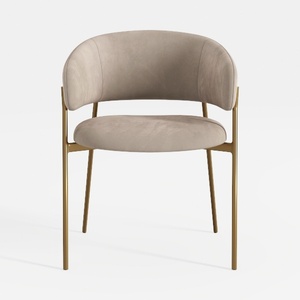
Neos Modern Furniture Dining Chair, Taupe
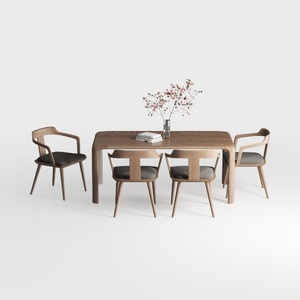

VKNOW Wooden Dining Chairs Set of 4, Modern Fabric

POLY & BARK Poole Lounge Chair in Distressed Green
Homestyler is your go-to online home design platform for effortless creativity! With its intuitive design tool, stunning 3D renderings, and abundant DIY video tutorials, you can easily transform your home ideas into reality. Start designing today and unleash your inner decorator!
Diseño ahora GRATIS
































