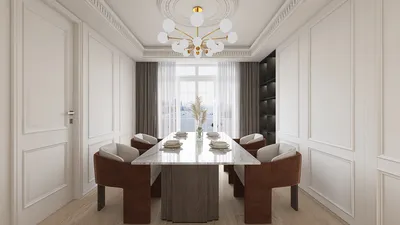


I have always considered scent to be an integral aspect of design, just as important as color, lighting, or sound. A thoughtfully crafted DIY room spray can enhance mood, help mask stale air between cleanings, and subtly influence behavior. When done correctly, using a customized spray is not only safer but also more adaptable than numerous commercial air fresheners, particularly since you can control the ingredients and their concentrations, and with the help of Homestyler, you can plan your space effectively.
Two primary factors inform my approach to formulating and utilizing room sprays. Firstly, the interplay of lighting conditions and circadian rhythms can significantly influence our perception of scent and overall comfort; the WELL v2 guidelines advocate for adjustable lighting and glare management to foster alertness and relaxation, which aligns beautifully with invigorating citrus in the morning and warmer woody scents during the evening (source: WELL v2 Light concept at wellcertified.com). Secondly, behavioral studies indicate that pleasant ambient conditions can enhance satisfaction with tasks; findings from Gensler’s workplace studies consistently demonstrate a correlation between multisensory comfort—including scent—and improved perceived performance, particularly when ventilation and individual preferences are taken into account (gensler.com/research). These customized scents are not mere fragrances sprayed into the air; they form a crucial component of a comprehensive sensory strategy.
Essential Base Formula: A Dependable, Skin-Friendly Foundation
I simplify the base for enhanced stability and optimal spray performance:
Label your blend with the ingredients, date, and dilution ratio. Store in dark amber glass, protected from heat and sunlight.
Scent Composition: Top, Middle, and Base Notes
I approach scent design similarly to a palette for a room—balancing short, medium, and long-lasting notes:
Begin with 50% top notes, 30% middle notes, and 20% base notes. In smaller areas or poorly ventilated spaces, reduce the proportion of base notes to avoid overwhelming aromas.
Recipes Focused on Mood
Combine 1.5 oz vodka with 6.5 oz distilled water. Add 18 drops of lemon, 14 drops of rosemary, 10 drops of lavender, and 6 drops of cedarwood. This creates a fresh, energizing scent; pair it with lighting between 4000-5000K to enhance alertness as suggested by WELL v2.
Mix 1.5 oz vodka with 6.5 oz water, including 16 drops of sweet orange, 14 drops of lavender, 8 drops of clary sage, and 6 drops of vetiver. Use warm white light (2700-3000K) with dimmed levels to create a calming atmosphere.
Blend 1.5 oz vodka with 6.5 oz water, including 16 drops of lemon, 12 drops of eucalyptus, 10 drops of tea tree, and 6 drops of peppermint. Ensure proper ventilation prior to use; this blend is excellent for neutralizing cooking odors.
For a sophisticated scent in living areas, blend 1.5 oz vodka with 6.5 oz water and add 18 drops of bergamot (ensure it’s bergapten-free), 12 drops of geranium, 8 drops of rosemary, and 6 drops of frankincense.
Color Psychology and Its Connection to Scent
Color sets the emotional tone; scent serves to amplify this. Cool color schemes (blues and greens) benefit from herbaceous and coniferous notes to emphasize clarity, while warm palettes (terranas and ambers) work beautifully with citrus, vanilla, and wood notes. Studies on color-emotion associations highlight that the color blue is linked to calmness and green to balance, a notion I echo with the addition of lavender or geranium (check out verywellmind.com/color-psychology for clear insights).
Optimal Use Considerations: Distance, Volume, and Application Surfaces
Consider spatial ergonomics beyond mere fragrance. A fine mist sprayer that releases 0.2-0.3 ml per spray ensures even distribution without dampening fabrics. Aim to spray at chest height in the room's center; for a space of 100-150 square feet, 2-3 pumps should suffice, then evaluate the scent. Avoid spraying directly on leather, untreated wood, and silk, as oils may leave spots. For soft fabrics, mist the air above and allow the scent to settle naturally.
Health and Ventilation Considerations
Essential oils hold considerable potency. Keep the overall dilution around 1% for regular use. Ensure proper ventilation after heavy mists, particularly in compact spaces like small bathrooms or closets. Individuals with asthma or scent sensitivities may prefer gentler formulations (lavender, chamomile, cedarwood) with minimal frequency. Always keep these blends away from pets, as tea tree, eucalyptus, and certain citrus oils can be harmful to cats and dogs. Note that these sprays are flammable; never apply near open flames or hot surfaces.
Scheduling Scent with Light and Rhythms
Sync the use of sprays with daily rhythms: invigorate as daylight breaks, reset post-lunch, and soften as dusk arrives. I coordinate the spray’s scent with the light temperature; use cooler lighting alongside citrus or herb notes in the morning and switch to warmer lighting with wood or resin scents in the evening. This blending reinforces the concept of circadian comfort promoted by WELL v2, making the transitions between scents feel harmonious rather than disruptive.
Sustainable Choices and Material Awareness
Opt for renewable, GC/MS-certified essential oils whenever possible. Reuse glass atomizers and periodically replace plastic sprayers as alcohol can degrade seals. For a more sustainable base, choose organic cane alcohol. If aiming for a cleaner formulation, avoid synthetic fragrance oils and dyes. Compost any used citrus peels if creating tinctures or hydrosols at home.
Designing Aroma for Distinct Spaces and Activities
Utilize scent to define areas: for instance, citrus/herb-based sprays work well at entryways to evoke freshness; aromatic woods in libraries signal tranquility; and rosemary near workstations can provide mild alertness. In spaces with open layouts, maintain scent harmony by varying ratios of you maintain a consistent fragrance family to steer clear from conflicting aromatic currents.
Expert Mixing Insights
Consider Room Design and Airflow
Scent disperses similarly to light and sound—this means it travels through space. Before using a spray, observe HVAC vents, ceiling fans, and breezes to prevent scent pooling. If you are refreshing or rearranging areas in your home, utilizing a layout simulation tool could help you position soft furnishings and optimize airflow paths that facilitate gentle scent diffusion rather than stagnation. Consider using Homestyler to visualize your space effectively and improve air circulation and scent reach.
Common Mistakes to Avoid
Frequently Asked Questions
Expect a duration of 20-60 minutes with average ventilation. Blends heavy on base notes linger longer but can come off as overpowering; strive for a balanced approach and apply lightly when necessary.
Maintain total essential oils at roughly 1-1.5% of your finished product. This concentration ensures a noticeable aroma without overwhelming most people.
While it is possible, alcohol dissolves oils more effectively and accelerates evaporation. Witch hazel often includes added water, leading to cloudiness in the blend.
Be mindful of phototoxicity, which can affect skin exposed to sunlight after topical use. When crafting room sprays, select bergapten-free bergamot and avoid excessive surface application.
Light citrus scents (such as lemon and bergamot) and herbs (like rosemary) pair effectively with cooler task lighting. This aligns with alertness trends supported by WELL v2's Light concept.
To accommodate sensitivities, decrease the dilution to 0.5%, ensure ventilation, and lean towards gentler aromas such as lavender and cedarwood. Allow scent-free intervals and avoid bedrooms if sensitivities are significant.
Utilize distilled water, sufficient alcohol, and fine-mist sprayers. If particulates form in your blend, run it through an unbleached coffee filter.
Exercise caution. Steer clear of tea tree, potent eucalyptus, and strong citrus around pets. Ensure pets have access to unscented areas and ensure proper ventilation.
Yes, rose or lavender hydrosols lend a gentle character; however, it’s important to include alcohol for preservation and effective diffusion.
Store in amber glass, keeping it cool and dark. It's best to use within 6-9 months. Dispose of it if the scent alters or if separation continues after shaking.
Yes, you can. However, avoid spraying directly onto fragile textiles; instead, mist the air above and allow it to fall. Always perform a patch test on less visible areas if necessary.
Consistency is key; maintain one scent family across different areas and adjust ratios according to each zone. Utilize airflow—such as low-speed fans—to evenly distribute without creating overly concentrated spots.
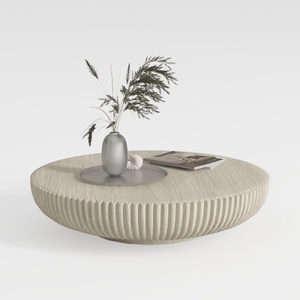
Minimalist Fluted Solid Wood Round Coffee Table 3D Model

Rustic Solid Oak Square Coffee Table with Geometric Inlay Pattern 3D Model

Modern Olive Green Velvet Loveseat Sofa with Metal Legs 3D Model
Homestyler is an outstanding online home design platform tailored for everyone, from beginners to pros. With its easy-to-use design tool, stunning 3D renderings, diverse design projects, and insightful video tutorials, transforming your space has never been more enjoyable and accessible. Start your design journey today!
Desain sekarang Gratis
































