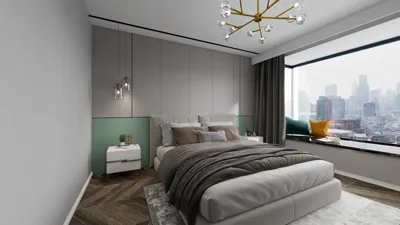


Having revamped numerous small apartments over the past ten years, I've observed a notable trend resurgence: cozy and layered living rooms are back in vogue. People are seeking warmth, texture, and individuality, steering away from sterile, ultra-minimalist designs. Particularly in small spaces, design creativity truly flourishes. In this article, I will present 10 inviting decorating suggestions for living rooms that I've applied in both client projects and my own home, weaving in personal anecdotes along with expert insights.
1. Layer Textiles for Enhanced Warmth
Personal Experience: A particular client once believed one rug would suffice until we added a patterned wool rug atop a neutral jute base. The immediate transformation was striking — not just adding texture but creating visual depth as well.
Benefits: Incorporating multiple layers of textiles, such as rugs and throw blankets, fosters a multi-sensory warmth. As noted by Architectural Digest, layering textures can transform even the coziest areas into inviting retreats.
Drawbacks: More layers complicate the cleaning process. Pet owners, be prepared for some extra vacuuming.
Suggestion: Initiate with a large neutral base rug, then layer a smaller patterned option on top for versatility.
2. Gentle Ambient Lighting
Personal Experience: In my apartment, I replaced harsh overhead lights with lamps and dimmers, dramatically enhancing both the atmosphere and my mood.
Benefits: Warm lighting sources minimize harsh shadows, creating a serene environment ideal for reading or relaxation. Layered lighting is essential in designing small spaces.
Drawbacks: More light fixtures entail more light bulbs to replace and more wiring to conceal.
Example: Incorporating warm LED strips behind shelves can make a compact room feel remarkably more spacious — much like the layered ambient living room setup we created.
3. Embracing Natural Elements
Personal Experience: I adore infusing nature indoors, whether through a fresh eucalyptus vase or reclaimed wooden shelves. Many clients say these elements breathe life into their spaces.
Benefits: Natural materials can alleviate stress, grounding the environment. Research from the University of Exeter even correlates natural decor with enhanced mental wellness.
Drawbacks: Wood and plant maintenance is crucial. Trust me, I’ve overwatered my fiddle-leaf fig more times than I want to admit.
4. Warm, Earthy Color Schemes
Personal Experience: A rich terracotta accent wall in a client’s living room has become a focal point during every gathering.
Benefits: Deep hues like rust, camel, and olive encourage relaxation and intimacy even in brighter spaces.
Drawbacks: An overabundance of dark shades may shrink the perceived size of the room — finding balance is essential.
5. Incorporating Vintage or Handmade Items
Personal Experience: A thrifted 1970s armchair in my living room brings both charm and comfort, serving as a wonderful eco-friendly option.
Benefits: Unique or handmade pieces imbue personality into a space and often come with their own stories, acting as conversation starters.
Drawbacks: Sourcing the perfect vintage item requires time and patience.
6. Custom Built-in Shelving for Style and Utility
Personal Experience: For a small loft, we crafted custom shelves around the TV to showcase books and plants, adding a curated organization to the space.
Benefits: Built-in shelves optimize storage while minimizing floor clutter — a critical need in compact living areas.
Drawbacks: The initial investment is higher, and once installed, they cannot be easily relocated.
Discover how custom shelving designs can revitalize compact spaces like those you can create in Homestyler.
7. Thoughtful Pattern Mixing
Personal Experience: I usually begin with a neutral foundation and introduce 2-3 complementary patterns. In a recent project, bold ikat cushions paired beautifully with a subtle striped rug, creating an intentional look that felt both lively and coherent.
Benefits: Mixing patterns fosters depth of personality and intrigue. Combined contrasts capture attention without overwhelming the senses.
Drawbacks: It's easy to go overboard; a chaotic pattern mix can disrupt the harmony of the space.
8. Inviting, Deep Seating
Personal Experience: In an urban condo, we opted for a deep loveseat instead of a larger, formal sofa, and now the client jokes about spending more time in the living room than in her bedroom.
Benefits: Deep seating encourages relaxation and serves as a cozy centerpiece for social interactions.
Drawbacks: Oversized furniture can overwhelm smaller areas if not properly proportioned.
9. Curated Art Clusters
Personal Experience: Gallery walls are an effective way to make small spaces feel more curated and personal. I've utilized them successfully to conceal awkward wall imperfections.
Benefits: Art clusters incite conversation and add visual excitement at eye level.
Drawbacks: Poor arrangement of frames may lead to a cluttered rather than cohesive presentation.
Check out gallery wall designs that enhance coziness without overwhelming the surroundings, similar to concepts you can explore in Homestyler.
10. Layering Scents with Décor
Personal Experience: I always have a subtle soy candle or essential oil diffuser ready, as scent plays an underappreciated role in crafting a truly inviting living room.
Benefits: Scent layering adds another sensory dimension and helps define the room’s atmosphere.
Drawbacks: Strong fragrances can overpower the space, so it’s best to select gentle, natural options.
Conclusion
From my perspective, the art of crafting a cozy living room hinges more on conscious decisions than on the actual square footage. Small rooms challenge us to think innovatively and creatively — ultimately leading to spaces that feel uniquely personal and welcoming. As noted by the APA, thoughtfully designed interiors can enhance emotional well-being. Which of these cozy living room decorating concepts are you looking forward to trying?
FAQ
1. What are simple cozy decorating tips for living rooms? Start with warm lighting, add textiles in layers, and incorporate natural materials like wood or plants for immediate comfort.
2. How can I turn a small living room into a cozy space? Choose multifunctional furniture, opt for warm color schemes, and install built-in shelving to maximize space without losing style.
3. Are neutral tones effective for creating a cozy ambiance? Yes, especially when coupled with texture. Think beige walls complemented by chunky knit throws for added richness.
4. Can bold patterns integrate into a cozy atmosphere? Absolutely — just use them moderately and balance with solid colors.
5. How does lighting affect the coziness of a room? Warm, layered lighting promotes relaxation and helps avoid harsh shadows. The IES Lighting Handbook advocates for the use of lower Kelvin lights for comfort.
6. What types of scents are ideal for creating coziness? Mild, natural fragrances such as vanilla, cedarwood, or lavender are favored for their subtlety.
7. Is mixing vintage and modern styles beneficial? Yes — it injects character and prevents the space from appearing monotonous.
8. Where can I seek inspiration for cozy designs? Explore curated design galleries online or refer to examples like the layered ambient living room layouts in Homestyler to spark creativity.
Homestyler is your go-to online home design platform! With its user-friendly design tool, stunning 3D renderings, and a wealth of DIY video tutorials, you can unleash your creativity and transform your space effortlessly. Perfect for both beginners and seasoned designers alike!
Design Now for FREE
































