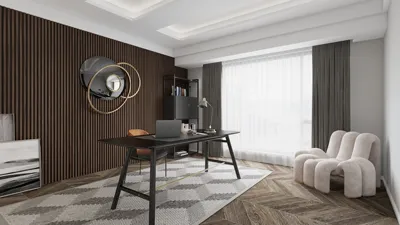


Designing a cozy dining corner for two in a limited space is not about making sacrifices but rather about making intelligent choices. I focus on key elements like proportion, flow, and versatility to utilize every inch effectively. In compact floor layouts, the dining table often has to coexist with living or kitchen areas, which makes considerations of scale, leg design, and sightlines equally important as aesthetics. Utilizing tools like Homestyler can help visualize this synergy.
The foundation of good design lies in understanding human ergonomics. For comfortable dining, aim for approximately 24 inches of elbow room per person, with table heights around 28–30 inches, which suits most dining chairs with a seat height of 17–19 inches. WELL v2 stresses the need for comfortable seating heights and ensuring enough knee room for posture support, which translates to keeping at least 10–12 inches of leg clearance under the table. For optimal lighting, I adhere to IES guidelines, suggesting ambient lighting levels for dining spaces should range between 100–300 lux, with warm-white colors at 2700–3000K, enhancing the visual appeal of food while fostering a warm atmosphere. For comprehensive insights, resources from IES standards and WELL v2 are invaluable (available at wellcertified.com).
Couples typically gravitate towards face-to-face seating for meals and diagonal arrangements for informal tasks like working on a laptop or enjoying a coffee. Research from Steelcase underscores the importance of varied postures and settings to enhance comfort and ease with transitions; I apply these principles in home layouts using tables designed for both dining and work situations. Opting for a round table measuring 30–32 inches with a pedestal base minimizes bulkiness, allowing both diners to occupy comfort without feeling cramped. In narrow spaces, a rectangular table with a depth of 24–28 inches placed against a wall, complemented by a bench on one side, conserves floor space while ensuring legroom. Experimenting with layouts can be made simpler with a dedicated interior layout planner— Homestyler offers effective room layout tools.
Essential Dimensions and Proportions for Two
For optimal movement around the table, I recommend at least 34–36 inches of clearance on the path side and 24 inches on the side nearest to a wall. The footprint of chairs, including their pull-out space, typically measures 20–24 inches in depth; it's advisable to maintain 32–36 inches of space behind the chairs in high-traffic zones. A rounded table between 30–34 inches in diameter strikes a balance between intimacy and comfort, while rectangular tops sized 24–30 inches in depth by 36–40 inches in length work well for bar-style dining against a wall, especially when paired with a bench that can slide beneath it when not in use.
Lighting Environment: Warm, Layered, and Glare-Free
Dining experiences are enhanced through layered lighting—incorporating ambient, task, and accent elements. I aim to keep the ambient light around 150–250 lux with the option for dimming, and task lighting should be approximately 300–400 lux to assist with reading menus or working. Accent lighting can be lower, creating the right mood. Positioning a pendant light 28–34 inches above the table helps manage glare while directing light effectively. Utilizing matte diffusers, low-gloss finishes, and shielded bulbs can avoid harsh shadows, particularly in smaller rooms where surfaces are in close proximity. A color temperature between 2700K and 3000K accentuates skin and food tones, while a Color Rendering Index (CRI) of ≥90 ensures true color representation.
Understanding Color Psychology and Material Selection
Color plays a pivotal role in shaping appetite and the sense of social warmth. Opting for soft neutral shades with warm undertones such as greige, clay, or wheat helps reduce visual clutter and makes compact spaces appear larger. A subtle accent in muted moss or terracotta brings depth without overwhelming the environment. According to findings by Verywell Mind, warm colors typically correlate with conviviality; I strategically use these on textiles or wall niches to maintain spatial equilibrium. In terms of materials, lightweight yet sturdy surfaces (like laminate over birch plywood, solid ash, or engineered stone) balance durability with a sense of visual lightness. Softened edges not only reduce the appearance of bulk but also enhance safety in tight spaces. From a sustainability viewpoint, it's advisable to choose FSC-certified wood, water-based finishes, and pieces that are easy to assemble and repair.
Considering Leg Design and Table Base Types
Opting for pedestal bases frees up knee space and promotes diagonal seating—this is my preferred choice for tables under 34 inches in diameter. For rectangular tables, tapered legs work if positioned back from the edges to allow for easier knee movement. For fold-down tables mounted against a wall, using concealed steel brackets rated for dynamic loads prevents wobble; complementing them with a slim bench or stacking chairs is ideal. When merging kitchen and dining areas, a counter-height table at 36 inches can serve dual purposes as a food prep area. Just ensure that chair or stool seat heights range from 24–26 inches and include footrests to prevent leg danglers.
Layout Strategies for Tiny Apartments
In studio apartments, I tend to position the dining table close to natural light, with chairs angled to maintain sightlines to the living space. In narrow corridors, rotating the table 90 degrees and positioning it against a wall while adding a slim console behind one chair can effectively store placemats and cutlery. Consider incorporating nesting tables that can be combined to create a two-person surface or a drop-leaf table that expands for guests on weekends. To visualize these configurations effectively, employing an interior layout planner like Homestyler can aid in simulating circulation and ensuring adequate chair clearance prior to any purchases.
Addressing Acoustics and Comfort
In smaller rooms, sound can easily become amplified. Using a textile runner, felt chair pads, or a small, densely woven rug can help muffle noise from cutlery and chairs. Medium-firm upholstered seats provide good support during 20–40 minute dining experiences without causing discomfort. In spaces dominated by hard surfaces, adding a fabric pendant shade or cork wall panel can help reduce echo and enhance conversation flow.
Storage and Multi-Function Design Integration
For a dining setting for two individuals, incorporating a single drawer beneath the table for napkins and utensils can be quite game-changing. For limited square footage, a slim wall shelf placed at 42–48 inches height can effectively hold condiments and glassware. Benches equipped with lift-up seats can accommodate table linens, while stacking stools conveniently tuck away under console tables. To keep the tabletop visually appealing and uncluttered, I find that a single central bowl or small vase is sufficient to define the dining area without overwhelming it.
Style Trends for 2024–2025
Upcoming design trends showcase compact marble-like materials, combinations of ash and walnut, along with soft-edge shapes. Semi-sheer drapes balanced with solar shades are becoming popular for managing natural light and privacy. I am observing a rise in compact pedestal tables featuring innovative bases and satin finishes that soften lighting effects. Lightweight, powder-coated steel frameworks harmonize well with textured upholstery, adding tactile quality while remaining visually airy.
Guide to What I Consider When Buying
- Table top size: 30–34 inch round or dimensions of 24–30 x 36–40 inch rectangular suitable for two people.
- Base clearance: Ensure a minimum of 10–12 inches of knee room under the table.
- Finish: Choose matte or satin to minimize glare and fingerprints.
- Maintenance: Look for heat-resistant, easy-to-clean surfaces with replaceable chair glides.
- Flexibility: Options like drop-leafs, nesting tables, or fold-down designs are great for hosting guests.
- Lighting: Select pendants with a dimmer placed 28–34 inches above the table; warm-white lighting at 2700–3000K is ideal.
Frequently Asked Questions
Q1: What is the best table shape for two in a compact space?
A round or small oval table (30–34 inches in diameter) with a pedestal design typically maximizes knee clearance and enhances flow.
Q2: How much light should illuminate a dining nook?
Aim for approximately 150–250 lux of ambient lighting, complemented by a dimmable pendant providing task light around 300–400 lux.
Q3: What is the minimum distance the table should be from a wall?
Allow for a gap of 24 inches between the table edge and the wall on the non-path side, and 34–36 inches on the path side for comfortable chair movement.
Q4: Are counter-height tables suitable for small areas?
Yes, they serve dual functions as both prep and dining surfaces. Just ensure the seat height is between 24–26 inches, and add footrests for comfort.
Q5: Which colors can make a tiny dining area appear larger?
Warm neutral tones with minimal contrast—such as greige, clay, or wheat—are effective in reducing visual clutter. Use muted accents sparingly for added depth.
Q6: How can I minimize noise from cutlery and chairs?
Incorporate a textile runner, felt pads, a small, dense rug, and opt for softer finishes like fabric pendant lights or cork wall panels to manage noise levels.
Q7: What materials provide a good balance of durability and lightness?
Look for laminate over birch plywood, solid ash, or engineered stone tabletop options featuring rounded edges. Additionally, opt for water-based finishes and FSC-certified woods whenever possible.
Q8: How should I plan the layout prior to making a purchase?
Utilize a layout simulation tool such as Homestyler to visualize circulation paths and chair pull-out zones. This can help test various orientations for maximizing light and sightlines before purchasing.
Q9: What seat ergonomics should I consider?
Aim for chair heights of around 17–19 inches paired with tables at 28–30 inches; medium firmness in seats supports comfortable dining experiences of 20–40 minutes.
Q10: Can a drop-leaf table accommodate occasional guests?
Absolutely—keep the leaf folded for daily use and expand it to 40–48 inches in length when hosting, ensuring that the pathways remain accessible and safe.
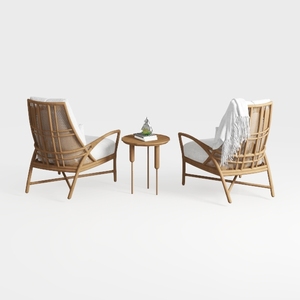

Safavieh Home Soleil Natural and White Leather Wov
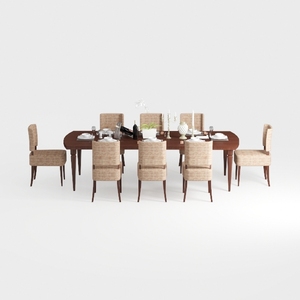
COLAMY Upholstered Parsons Dining Chairs Set of 4
If you’re looking to transform your home design journey, look no further than Homestyler! This user-friendly platform offers a cutting-edge online design tool, stunning 3D renderings, engaging design projects, and helpful video tutorials, making it easy to visualize and create your dream space.
Desain sekarang Gratis
































