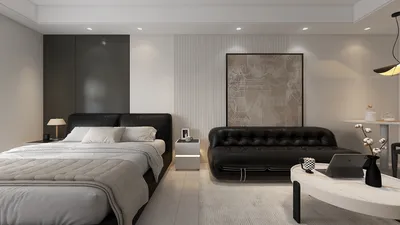


I have always held the view that a cozy cottage living room should envelop you like a warm hug—it's all about layers, textures, and soft lighting. In smaller spaces, every aspect of design matters, including strategic furniture placement that ensures an armchair doesn’t obstruct windows, properly positioned lamps that add warmth to corners, and a soothing color palette that enhances character without overwhelming it. Achieving a cozy atmosphere is the result of thoughtful design choices rather than mere decoration.
The right lighting can dramatically enhance the atmosphere and create a sense of spaciousness in compact rooms. The Illuminating Engineering Society recommends 10 to 20 footcandles for general areas and 30 to 50 for specific activities like reading, guiding me to balance ambient lighting with focused task lamps. To avoid harsh glares, I utilize lamps equipped with fabric shades and diffusers. Color also influences mood: soft, warm tones like muted creams and gentle yellows evoke feelings of comfort and sociability, which informs my choices in lighting and color palette to provide warmth without causing visual strain.
Comfort in a living space also relies on thoughtful circulation and ergonomic design. Research from Herman Miller suggests that chair heights of 16-18 inches and a lumbar support of 4-6 inches significantly enhance sitting comfort. These considerations are essential in multifunctional spaces where a single chair may cater to reading, entertaining, and lounging. I create varied seating depths and ensure clear pathways of 30-36 inches to facilitate movement around the coffee table. When experimenting with furniture configurations or refining the room's flow, I turn to room layout tools to visualize different setups and perspectives before making any final decisions.
Cozy Lighting That Embraces Without Glare
In a quaint English cottage, low ceilings and textured surfaces such as beams and uneven walls define the space. I incorporate three layers of illumination: soft ambient light from carefully chosen fixtures, task lighting from adjustable floor lamps, and accent lighting from picture lights above artwork. By keeping the color temperature between 2700 and 3000K, I maintain that inviting glow reminiscent of fireplace warmth while ensuring accurate color rendering for fabrics and woodwork. In rooms where windows face north, I enhance warmth with uplighting to prevent chilly corners.
Human-Centered Seating and Thoughtful Proportions
The proportionality of furniture plays a crucial role in creating a cozy environment. I prefer a compact sofa measuring 72-78 inches with slender arms, complemented by one or two snug chairs. While skirted furniture pieces feel traditional, I balance them with options that display legs, making the floor more visible and the overall space feel lighter. Coffee tables are designed at a height of 16-18 inches, with the tops sitting comfortably between 14 and 18 inches away from the sofa to ensure easy access. When space is limited, a set of nesting tables or an oval-shaped top can prevent any sharp corners from becoming potential hazards.
Nature-Inspired Color Schemes for English Cottages
I am drawn to color palettes inspired by the natural world: mossy greens, berry tones from hedgerows, soft oatmeal, and warm oak shades. Painting walls with a subtle green creates a soothing backdrop, and I introduce patterns through cushions or tailored slipcovers. Florals, small checks, and ticking stripes feel inherently apt; I blend various scales to create visual harmony. A warm white ceiling enhances the space, lifting the room's overall feel without compromising the cottage aesthetic.
Materials, Craftsmanship, and Heritage Touches
The personality of a space is often defined by materials that tell a story. Textures such as waxed oak, painted pine, woven rushes, and rough wool bring a tactile richness to the room. A vintage kilim or braided rug warms bare floors and helps control sound levels; lined curtains can absorb echoes and improve privacy. I often steer clear of high-gloss finishes that reflect too much light, opting instead for eggshell or matte paints that enhance the beauty of plaster and stone surfaces.
Creating a Focal Point with Fireplace and Hearth
If a stove or fireplace exists, I let it set the ambiance while avoiding overwhelming dominance by framing it with bookshelves or slim consoles. A mirror above the mantel serves to reflect light from lamps and windows; art in modest frames ensures scale remains appropriate. I angle an armchair toward the fire for comfort while ensuring one seat is positioned for conversation, thus preventing a layout that focuses solely on one area.
Seamless Storage Solutions for a Clean Space
Clutter can make a room feel smaller. I prefer to incorporate low built-ins beneath windows, use a trunk as a coffee table for throws, and position a narrow console behind the sofa for remotes and chargers. Decorative basketry can add charm while hiding miscellaneous items. Open shelves can be effective if curated carefully—groupings of books, a crock for kindling, and select pottery not only keep things organized but also aesthetic, avoiding overwhelming visual clutter.
Maximizing Light with Windows and Treatments
Cottage windows tend to be modest in size; I install curtain rods that extend wider than the window frames to ensure they clear the glass when opened. Roman blinds crafted from subtly textured linen can filter out excessive light while maintaining privacy. I steer clear of heavy drapery and prefer lined curtains that gently touch the floor; the weight of the fabric aids in acoustic comfort and minimizes heat loss.
Soft Surfaces for Acoustics and Visual Comfort
Layering textiles contributes to both sound absorption and comfort. A wool rug anchors the seating arrangement, establishing boundaries in multifunctional spaces. A felt rug pad enhances comfort underfoot and further improves acoustics. Incorporating cushions of various textures—such as velvet, linen, and boucle—adds visual interest, especially when coordinated within a restrained color palette.
Curating Vintage Finds for Personal Touch
The charm of an English cottage is often enriched by well-loved pieces characterized by their history: scrubbed pine tables, ladder-back chairs, and tarnished brass lamps. Rather than striving for matching sets, I prefer to harmonize tones and heights. Each room should narrate a story—whether it's an heirloom teacup on the mantel, framed botanicals, or an antique village map—these simple elements foster emotional connections within the space.
Strategizing Layouts in Small Spaces
When every inch counts, I position the sofa slightly away from the wall to create a sense of openness, complemented by a slim console behind for task lighting. Chairs are arranged at 90 or 120 degrees to facilitate conversation, instead of facing directly across if the room is compact. I maintain walkways behind seating at 30-36 inches to prevent bumping and ensure natural movement. An interior layout planner can greatly assist in visualizing furniture arrangements, helping to establish clear sightlines and balanced proportions.
Comfort that Transitions from Day to Night
Daylight fluctuates significantly in rural settings. To extend brightness, I position reflective surfaces—like mirrors or glass-front cabinets—directly opposite windows. As dusk approaches, I shift to varied heights of lamps to eliminate shadows, and dimmer switches help me adapt the ambiance from daytime activity to cozy evenings without sacrificing clarity.
Architectural Details that Add Character
Incorporating picture rails introduces a vertical rhythm and allows for rotating art displays without damaging walls. Beaded board behind built-ins adds texture, even if painted the same color as the rest of the room. If beams are dark, I brighten surrounding materials while keeping those beams rich in hue; contrast contributes to the unique character of cottage design, yet it’s vital to maintain a sense of balance to avoid heaviness.
Choosing Patterns with Careful Consideration
I tend to select one dominant pattern—like a floral chintz or tapestry stripe—and support it with more subdued companions. The scale of patterns is crucial; smaller designs on cushions, medium ones on blinds, and larger patterns confined to a single upholstered item create movement without inducing chaos in the space.
Selecting Hardware that Complements the Space
Antique brass, pewter, and blackened iron harmonize beautifully with natural timber and wool textures. I opt for understated hardware: simple pulls, handcrafted hooks, and milk-glass lampshades. Overly gleaming chrome can clash with the rustic charm; a subtle sheen feels much more at home within a cottage atmosphere.
Emphasizing Sustainability with Authentic Materials
The essence of cottage design lies in durable and repairable materials: solid wood, natural fiber textiles, and wool rugs. I prefer using low-VOC paints and prioritize refurbishment over replacement. Reupholstering a quality piece of furniture in a classic stripe often feels more genuine than perpetually pursuing the latest trends. The outcome is a green approach that is woven into the design, rather than merely a catchphrase.
Crafting Intimate Reading Nooks and Zones
A snug corner can become a perfect retreat with a compact armchair, a reading lamp, and a side table accommodating a book and a steaming mug. I ensure the lamp shade is opaque to minimize glare while optimizing lamp placement so that daylight streams over the left shoulder for right-handed readers; a reverse positioning suits left-handed individuals. These unique micro-zones enrich small rooms, making them feel more expansive.
Common Questions About Cottage Living Rooms
Q1: What are the ideal light levels for creating coziness in a cottage living room?
A: Strive for 10–20 footcandles for general lighting and 30–50 for specific tasks, following IES guidelines. Utilize warm lamps with a color temperature of 2700-3000K and soft fabric shades to minimize glare.
Q2: How can I select colors that feel bright yet cozy?
A: Opt for warm neutrals paired with mossy greens or soft berry accents to maintain intimacy without darkness. Color psychology indicates that warm undertones foster comfort and sociability.
Q3: What sofa size is appropriate for a small cottage room?
A: A sofa measuring 72-78 inches with slender arms maximizes seating capacity without crowding the area. It’s advisable to keep the coffee table's front edge approximately 14-18 inches away from the sofa for easy access.
Q4: How should furniture be arranged surrounding a fireplace?
A: Allow the hearth to be the centerpiece while varying the orientation of the seating: one chair can angle towards the fire, the sofa can be centered for conversation, and an additional chair can bridge the two. Avoid a direct line of seating focused solely on the fire in narrow rooms.
Q5: Can patterns be overwhelming in a small space?
A: Patterns need not overwhelm if you manage their scale effectively. Just feature one prominent design supported by smaller, calmer repeats. Keeping the color palette tight helps in preventing visual noise.
Q6: What window treatments enhance both charm and functionality in a cottage?
A: Linen Roman blinds combined with lined curtains provide glare control, insulation, and inviting texture. Ensure rods are mounted wider than the windows to allow them to clear the glass completely when opened.
Q7: What clearance is ideal for comfort and movement?
A: Aim for 30-36 inches of clearance around seating and tables to facilitate easy movement and prevent accidental collisions.
Q8: Which materials can enhance sound comfort?
A: Incorporating wool rugs, lined curtains, upholstered furniture, and bookcases contributes to sound absorption. Additionally, a felt rug pad not only adds comfort but enhances acoustic quality as well.
Q9: How can I integrate vintage items without clutter?
A: Focus on pieces that serve a purpose—like trunks for storage, ladder-back chairs, or a scrubbed pine table—and streamline collections. Organize small decorative pieces on trays or dedicate a single shelf to them, allowing for negative space in the arrangement.
Q10: What ergonomic features make seating more comfortable?
A: Aim for seating heights around 16-18 inches, cushions that support comfortably, and lumbar support within the 4-6 inch range according to comfort research. Arms positioned at a natural height facilitate easier rising from the seat.
Q11: Are dimmer switches useful in small living areas?
A: Absolutely! Dimmers allow you to adjust lighting from bright daylight to a soft evening glow, enhancing comfort and reducing eye strain as lighting conditions change throughout the day.
Q12: How can I plan a room layout before purchasing furniture?
A: Utilize layout simulation tools to visualize dimensions, clearances, and sightlines. Testing different arrangements allows you to discover the setup that feels most balanced and inviting in your space.


Homestyler is an amazing online platform for home design enthusiasts. With its user-friendly design tool, stunning 3D renderings, and a wealth of DIY video tutorials, it empowers you to create beautiful spaces effortlessly. Discover endless design inspiration for your home today!
Concevez maintenant gratuitement
































