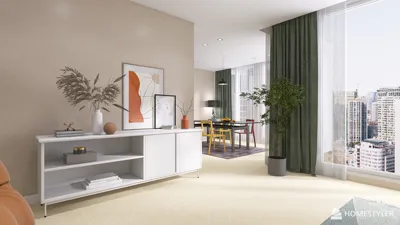


I once had a client passionately advocate for a neon pink ceiling in their living room — yes, the ceiling. This led to a mix of laughter and a few tears until we settled on a warm coral accent that still felt daring. This painting experience taught me two essential lessons: careful color selection can inflate a budget, and smart planning can help you save money. To illustrate how layout impacts finishes, you can take a look at this kitchen design layout example I previously created to plan paint zones.
Small spaces often inspire great creativity, and painting is one of the most economical ways to rejuvenate a home if executed wisely. I will share five proven inspirations drawn from actual projects — each focusing on cost efficiency, impact, and some compromises based on my over ten years of renovation experience.
1. Focus on the most impactful rooms
I always advise clients to prioritize the areas they utilize the most: living room, kitchen, and primary bedroom. By directing the budget to where it counts, you achieve the greatest visual impact, even if it means some rooms have to wait their turn for a facelift.
save pin
2. One coat where feasible — opt for quality primers
Using good primer and quality paint can significantly reduce labor hours by minimizing the number of coats needed. While this may lead to higher initial material costs, I've found it can ultimately save money by decreasing painter hours and eliminating touch-up work.
save pin
3. Consider accent walls and focused trims
Creating an accent wall or painted trim adds visual interest without the need to paint every surface. It’s budget-friendly, quick to implement, and forgiving if you wish to experiment with vibrant colors. If you're uncertain, visualize the concept using 3D mockups; tools like Homestyler can help clients see their ideas come to life, often persuading them to take the plunge.
save pin
4. DIY preparation, professional finish
Taking on the prep work — such as patching holes, sanding, and taping — can significantly reduce labor costs. I typically recommend homeowners tackle the prep if they feel comfortable, and then hire a professional for the final paint layers; this approach is budget-effective but requires time and dedication.
save pin
5. Leverage technology for planning color and scope
Before purchasing paint, utilize digital tools and AI-driven mood boards to experiment with colors and scope, helping to prevent overbuying or the need for repaints. For clients who struggle with decisions, I showcase AI interior design examples that swiftly narrow down choices — saving both time and money while preventing repeated paint jobs.
save pin
Tip 1:
Budget advice: labor frequently accounts for the largest portion of the overall cost. Obtain three quotes, request itemized estimates (including prep work, paint coats, and trimming), and consider scheduling during the off-peak season for reduced rates. Minor compromises in finish (like using eggshell instead of satin in low-traffic areas) can conserve money without causing a noticeable decline in quality.
save pin
FAQ
Q1: What is the average cost of painting an interior?
Costs can vary significantly by region and chosen finishes, but most painting projects can range widely based on size and preparation work. As a rough estimate, expect anywhere from a few hundred to several thousand dollars for painting an entire interior space.
Q2: How much does paint cost for a single room?
The cost for painting a single room (material costs only) typically falls between $30 to $150, depending on quality and room size; adding professional labor can substantially increase this amount. While small bedrooms tend to be more affordable, larger living areas or spaces with high ceilings can escalate costs.
Q3: Is it more economical to DIY or hire professionals?
DIY can save on labor costs, but it often demands more of your time and may lead to a subpar finish if you're not experienced. Engaging professionals tends to incur a higher upfront cost but usually results in faster, cleaner outcomes and often includes a warranty for their workmanship.
Q4: How many coats are typically required for most interiors?
With good primer and high-quality paint, most walls need two coats, although some may only require one. Transitioning from a dark to a light color or dealing with stained walls might necessitate primer plus two coats for complete coverage.
Q5: What are some common hidden costs?
Common hidden costs can include extensive preparation, drywall repairs, repainting the ceiling, moving furniture, and unexpected mold or lead remediation. Always request detailed quotes from contractors to identify these items early on.
Q6: Can the type of paint finish impact the overall cost?
Indeed — specialty finishes such as high-gloss or washable paints tend to be pricier per gallon and may necessitate additional labor for seamless application. Flat and eggshell finishes usually come at a lower price point and are more forgiving, but differ in terms of durability and upkeep.
Q7: How can I estimate the amount of paint needed?
To estimate paint requirements, calculate the wall square footage (height multiplied by width for each wall, deducting the area of windows and doors) and consult the paint can for its coverage capacity (normally listed in square feet per gallon). Most suppliers and paint calculators offer quick estimating tools.
Q8: Where can I find reliable cost estimates?
For current national averages and detailed breakdowns, check resources like HomeAdvisor’s guide on interior painting costs, which compiles data from contractors and consumers to offer realistic pricing ranges (https://www.homeadvisor.com/cost/painting/interior-painting/).
save pin
Homestyler is your go-to online home design platform! With its intuitive design tool, stunning 3D renderings, and a wealth of DIY video tutorials, you can effortlessly create and visualize your dream spaces. Whether you're a beginner or a pro, Homestyler inspires and simplifies your design journey!
Progetta ora GRATIS
































