

With over a decade of experience in planning and designing banquet spaces, I've consistently noted that Taj Hotels excels in both service consistency and finishing quality. However, the budget for hosting a banquet at a Taj property can differ significantly based on several factors, such as city, ballroom size, season, and the specifics of the chosen package. According to data from Gensler’s workplace and hospitality research, well-designed environments can enhance the perceived quality of experiences by 20% to 30%, often aligning with higher venue pricing. Moreover, WELL v2 guidelines suggest that a horizontal illumination of 300 to 500 lux is essential for multipurpose areas, indicating that venues that meet these standards generally require advanced lighting and control systems, leading to increased costs, which are standard in premium selections like Taj.
When considering the layout of a banquet, factors such as seating density and ergonomics play a crucial role in determining both the overall capacity and cost. Research from Herman Miller indicates that using adjustable furniture and ensuring sufficient space can enhance guest comfort while minimizing fatigue, which in turn affects satisfaction and the duration of events. Many Taj properties offer banquet packages that encompass upgraded seating, luxury tableware, and essential audio-visual equipment—features that align with comfort standards and are typically included in the pricing. The quality of lighting, including glare control and an optimal color temperature of 3000K to 3500K for evening events, along with acoustic enhancements, contributes significantly to a refined atmosphere, thus impacting your budget.
The importance of color and ambiance cannot be understated. Research in color psychology reveals that warm neutral tones paired with subtle accent colors create a welcoming and peaceful environment during meals and speeches, while bold pops of color, such as floral decorations or dynamic lighting, can energize receptions. Many of the banquet halls at Taj utilize a palette of ivory, champagne, and muted metallics, which capture stunning visuals under 3200K to 3500K lighting conditions. It’s also common to find high-quality drapery, plush carpets designed for acoustic absorption, and adaptable rigging points that support decorative features without causing visual clutter.
Typical Cost Structure at Taj Banquet Venues
Pricing at Taj hotels for venues is generally structured either as a per-plate (per-person) package for social events or a venue rental fee combined with a food and beverage minimum for corporate gatherings. In major metropolitan areas and flagship hotels, peak season weekend pricing tends to reflect the highest rates. Standard offerings typically include: venue rental, basic decor options (such as stage risers and varied backdrop choices), buffet or plated meal choices, basic audio-visual setup (including two handheld microphones, speakers, and a basic mixer), along with service staff. Additional taxes and service charges apply in accordance with local guidelines.
Anticipated Per-Plate Pricing Ranges
While precise figures can vary by location and the category of the hall, one can generally expect a range of costs across various five-star urban venues. Luncheon per-plate pricing typically begins at rates below those for dinner; vegetarian options are often less costly than non-vegetarian alternatives; and premium menus that feature live cooking stations, gourmet desserts, and imported beverages substantially increase per-plate costs. For high-profile weddings or launches, customized menus, specialty mixology stations, and late-night service licenses can incur significant additional fees.
Rental and Minimum Fees
Some Taj properties provide a rental rate with a food and beverage minimum rather than a per-plate pricing structure, particularly for conferences. This rental fee typically encompasses standard tables, banquet chairs, staging, linens, and housekeeping resets. Upgrades such as Chiavari chairs, specialty linens, focused lighting, and LED wall backdrops are generally considered extra costs. Corporate clients should also verify details regarding load-in requirements, overtime rates, and any necessary security deposits for valuable audio-visual or exhibit setups.
Factors Influencing the Final Pricing
Capacity Planning and Arrangement Strategies
Establishing an accurate guest count and thoughtful spatial planning can help decrease unexpected additional charges. When planning banquet-style setups, a comfortable metric is around 100 to 120 square feet (9 to 11 square meters) per guest, which accommodates a stage, dance floor, buffet areas, and necessary circulation space within a premium hotel setting. Theater-style seating can condense this to 8 to 10 square feet (0.75 to 1 square meter) per person, but this arrangement necessitates robust acoustic management and well-controlled ambient lighting. For those revising seating charts or service flow patterns, employing a room layout tool, like Homestyler, can simplify visualizing different configurations from initial concept through to the final walk-through.
room layout tool
Lighting, Acoustics, and Comfort—Understanding What You're Paying For
Spaces that are well-lit and managed for glare can significantly enhance speech clarity and photography quality. I recommend specifying lighting at 300 to 500 lux on dining surfaces, then dimming to 150 to 200 lux for receptions while incorporating accent lights (pin spots on centerpieces at 700 to 1000 lux). Indirect uplighting can help mitigate glare during plated meals and ensure even illumination for guests’ faces in photographs. In terms of acoustics, utilizing thick carpets, upholstered wall panels, and ceiling baffles helps to achieve reverberation times of 0.8 to 1.2 seconds for events centered on dialogue. These features, prevalent in Taj properties, are embedded costs that explain their premium pricing.
Audio-Visual and Technology Packages
Basic AV packages often cover items like microphones, mixers, and basic public address systems (PA). For more impactful presentations, it's advisable to budget for a dedicated AV service provider: line array speakers suited for larger spaces, stage lighting with a color temperature of 3200K, and LED wall backdrops. Confirm the availability of necessary power sources (three-phase for LED installations), rigging points, and time frames for rehearsals. Additional requirements for recording and streaming events may lead to added crew hours and often require isolation drapes or soundproof barriers to control audio spillage.
Food and Beverage Considerations
Taj culinary teams are renowned for their consistent quality. For events emphasizing cocktails, it's important to consider server ratios (approximately one circulating server per 25 to 30 guests) and the need for satellite bars to manage wait times. Finalized menus, including regional favorites and dietary options (such as Jain, vegan, or gluten-free), should be decided 2 to 4 weeks in advance. Tastings are typically included in premium packages—utilize these sessions to fine-tune flavors to align with the event schedule, with richer dishes often faring better when served after speeches, while lighter options suit extended dancing.
Photography-Friendly Design Elements
Soft metallic tones, textured linens, and multiple layers of warm lighting create flattering skin tones and vibrant photographs. I prefer a three-layer lighting arrangement: ambient (dimmable chandeliers and indirect coves), task (tabletop pin spots), and accent (stage edge lighting, floral uplighting). To avoid harsh highlights in photographs, backdrop materials should be matte; LED screens should operate at 40% to 60% brightness to prevent washed-out images. A cohesive color palette of ivory, champagne, and pale blush helps ensure floral arrangements and attire remain prominent.
Contracts, Policies, and Hidden Charges
Negotiation and Value Recommendations
Author’s List of Essential Evidence-Based Features
Resources for Standards and Research
For insights on lighting standards and ergonomic principles applied in premium hospitality, consult resources from WELL v2 along with workplace studies from Steelcase and Herman Miller. A comprehensive primer on lighting design standards can be found through the Illuminating Engineering Society (IES). Research from Gensler provides valuable information regarding user experience in workplace and hospitality settings, focusing on perceptions of space.
Delve deeper into user-centered, research-based design: WELL v2 and Herman Miller Research.
Frequently Asked Questions
Pricing is typically structured either as per-plate packages for social events or based on hall rental plus a food and beverage minimum for corporate bookings. Packages generally include venue fees, basic decor, a buffet or plated menu, essential AV, and service staff, with additional taxes and service charges applied.
Ensure that there’s sufficient space of 100 to 120 square feet (9 to 11 square meters) per guest for an upscale experience, inclusive of stage and dance space, allowing for smooth service flow and avoiding congestion.
Absolutely. Meeting the recommended 300 to 500 lux dining levels along with dimming capabilities, scene control, and accent lighting requires high-quality fixtures and controls, with premium hotels covering these capital expenses reflected in their pricing packages.
Typically, packages include two handheld microphones, a basic mixer, and a modest PA system. Additional requirements such as stage lighting, LED walls, extra speakers, and any operational staff would be considered add-ons. Always verify the power and rigging policies for larger setups.
Often this is the case, involving vendor approvals, insurance requirements, and compliance with load-in schedules and safety regulations. Be prepared for fees related to late-night setups, additional power needs, or specialty tape types that necessitate special cleanup.
Ensure to finalize the guest count early, lock in menu selections 2 to 4 weeks ahead of the event, and map out layout configurations with clear service pathways. Utilizing a layout simulation tool like Homestyler can help confirm capacities and optimize sightlines prior to finalizing placements.
Dining environments should feature 300 to 400 lux on tables, with accent lighting of 700 to 1000 lux on centerpieces, and a dimmed ambient layer (150 to 200 lux) during dancing. Stage lighting should maintain a color temperature of 3200K for the most flattering effects on skin.
Indeed—factors including carpet density, wall soundproofing, and ceiling treatments are necessary to maintain reverberation times around 0.8 to 1.2 seconds, especially for speech-oriented events. Inquire about drapery options behind stages and the presence of door seals to minimize sound leakage.
Saturdays and holiday periods usually see higher rates and more stringent minimums. For better value, consider booking on Fridays or Sundays.
Warm, dimmable lighting, matte backdrops, coordinated linens, and selective spotlighting contribute to flattering visual presentations. Ensure attire and floral arrangements align with a neutral base palette to keep skin tones looking their best.
Premium packages usually incorporate a tasting session, which can be used to adjust spices, portioning, and plating timing in harmony with your event's schedule.
Top venues located in urban centers frequently book 6 to 12 months in advance, particularly during peak wedding seasons. Corporate conferences should secure dates as soon as key speakers have confirmed their availability.

Bohemian Rattan Round Coffee Table 3D Model
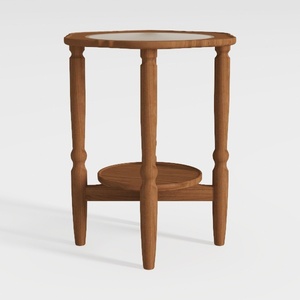

HOOBRO Small Round Side Table with Charging
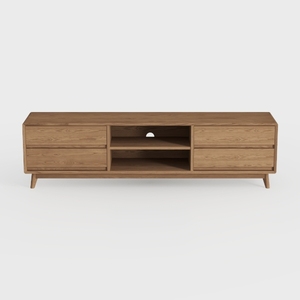
OKD TV Stand for 75+ Inch TV, Mid Century Modern
Looking to transform your space? Homestyler is your go-to online home design platform! With an easy-to-use design tool, stunning 3D renderings, and a wealth of DIY video tutorials, you can unleash your creativity and effortlessly design your dream home. Start your journey today!
Design Now for FREE
































