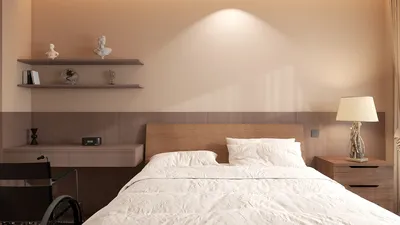


Corner tables are essential elements in a room, serving not only to fill space but to enhance circulation, provide extra storage seamlessly, and add a sense of rhythm to areas that may otherwise seem incomplete. Whether in client residences or cozy apartments, I frequently rely on corner tables to optimize traffic flow and introduce texture in tight spaces. Research from Gensler highlights the correlation between environments designed for varied activities and greater satisfaction and performance; applying this concept at home, a corner table serves multiple uses, such as a workspace, reading area, or entertaining spot, significantly boosting the room's perceived functionality. Additionally, light management is crucial when positioning a table by a window, as the Illuminating Engineering Society advises ambient lighting levels between 100 and 300 lux, with task lighting added to reduce glare and eye strain.
When a table fulfills multiple roles, such as serving as a base for a lamp, display for plants, or a drop zone for items, careful attention to ergonomics is paramount. Research from Herman Miller indicates that aligning surface heights with their intended use promotes better posture; for instance, in living spaces, I typically choose heights of 20 to 24 inches for side tables adjacent to sofas and 24 to 28 inches for reading corners with armchairs to ensure comfortable access within a range of 16 to 20 inches, preventing shoulder strain. Color also plays a critical role in setting a mood, with studies from Verywell Mind suggesting that cooler shades like greens and blues foster tranquility, while warmer hues encourage sociability—this insight can guide the selection of finishes that enhance energy in conversation zones versus entertainment areas. To ensure a space feels open, I often use an interior layout planner, and utilizing a room layout tool can help me experiment with various table sizes, leg styles, and lamp placements before final decisions are made.
The Impact of Corner Tables on Spatial Flow and Proportion
Each living room presents three perspectives: approach, center, and periphery. While a corner table primarily occupies the periphery, its design significantly affects how the other elements are experienced. I maintain a minimum of 30 to 36 inches for main walkways and reserve tighter spaces of 24 to 28 inches for low-traffic areas behind seating. Choosing triangular or rounded-square tables can soften sightlines, minimize knee bumps, and create a light visual feel in corners. In compact areas, a round table with a diameter of 16 to 20 inches or a triangular shape around 16 to 18 inches strikes a balance between utility and spaciousness. In larger settings, using two nested tables of varying heights introduces vertical rhythm without adding bulk.
Selecting the Optimal Shape and Size
- Triangular: Ideal for snug 90° corners, perfect for combining plants and lamps. Consider opting for rounded edges for safety, especially with children around.
- Quarter-round: Enhances circulation; a 16 to 24-inch radius provides a visually light profile and avoids knee collisions.
- Square: Complements modular sofas; ensure beveled edges and choose sizes according to upholstery height. A compact 16 to 18-inch square is suitable; 20 to 22 inches works well with larger seating.
- Round: The most accommodating shape for confined areas; a single pedestal design allows for maximum foot space.
- C-table: Designed to slide under sofa arms, it brings items like drinks or laptops close by without causing shoulder strain.
Material Considerations: Texture, Maintenance, and Sound Absorption
The materials used in corner tables contribute significantly to both their aesthetic and functional performance. In busy family spaces, I prefer matte or satin finishes to minimize reflections. Closed-grain woods, such as maple or walnut, show greater resistance to stains compared to open-grain varieties like oak unless they are properly sealed. Powder-coated steel provides a sleek look, while natural elements like honed marble or limestone add a touch of elegance—especially critical in areas where beverages might be present. For rooms prone to echo, softer surfaces such as cork or leather insets can help reduce noise from clattering and scraping. When sustainability is a priority, I seek FSC-certified woods and low-VOC finishes, often consulting material libraries to compare environmental impacts and ongoing maintenance.
Avoiding Glare While Lighting the Corner
Corner tables serve as excellent platforms for lamps, but ensuring the selected luminaire is appropriate for its tasks and reflectance is essential. For reading purposes, it is effective to aim for 300 to 500 lux directly on the page, using shades that shield the bulb from direct sight. Warm light between 2700 and 3000K creates a soothing atmosphere for evening relaxation, while temperatures around 3000 to 3500K keep colors true for artworks. Choosing diffusive materials—linen shades or opal glass—helps reduce hot spots that can reflect off gloss finishes. If the unit is situated by a window, orient the shades to block side glare, and prefer satin over polished finishes for reflective metal materials. Incorporating dimmer switches makes it easy to adapt a corner’s lighting from task-focused to ambient.
Understanding Color Psychology in Corner Tables
I often view corner tables as pivotal elements for introducing color accents. A soft green lacquer or stained ash can mellow a multimedia-heavy space, while a warm terracotta ceramic base infuses warmth into cooler color schemes. It’s best to implement one vibrant piece within each room quadrant to prevent overwhelming visual clutter. When a living area also functions as a workspace, keeping the corner table in neutral tones while adding color through greenery or books helps maintain focus.
Human Factors and Ergonomics Considerations
Attention to edge design, height appropriateness, and safe reach can significantly improve usability. Implementing a rounded edge radius of 3 to 5 mm alleviates pressure on arms. Ensure that lamp switches are accessible within 18 inches from the table’s front edge. If the table's purpose includes laptop use, a height of 24 to 26 inches is ideal, paired with an ergonomic chair. Short usage bursts are advisable unless equipped with an external keyboard. Effective cable management with under-top clips or rear grommets minimizes trip hazards near the corner.
Placement Tactics for Various Living Room Styles
- Small apartments: Opt for a narrow pedestal with a 16 to 18-inch round top, keeping it slightly elevated from the corner to avoid conflicts with baseboards. Installing a mirror above the table can enhance light without compromising floor space.
- Family rooms: A durable square table with a shelf serves well for storing remotes, small games, or speakers. Adding felt pads to the base ensures quiet repositioning.
- Open-plan layouts: A quarter-round table can effectively define lounge spaces without creating visual barriers. Matching the finish with dining chair designs ensures a cohesive look.
- Formal sitting rooms: Utilizing two triangular tables positioned in opposite corners creates symmetry; topping them with minimalist sculptures or uplighters creates elegance.
Integrating Storage and Technology
Incorporating drawers maintains a tidy look, but their depth should not exceed 10 to 12 inches in small spaces. For entertainment areas, concealing a compact surge-protected power strip underneath provides convenience while keeping wiring organized. Flush-mounted wireless chargers within wooden tops streamline clutter; just position them slightly off-center to maintain space for a drink and a book.
Harmonizing with Sofas and Chairs
Positioning the table should allow it to sit within 1 to 2 inches of arm height for effortless drink placement. For sofas with deeper seats (24 to 26 inches), a sliding C-table that extends 6 to 8 inches over the cushion prevents the need for excessive reaching. Textured upholstery (like bouclé or heavy linen) complements sleek metal or glass tables, while smooth leather harmonizes with warmer wood finishes.
Creating Visual Balance and Rhythm
Corners can appear cumbersome if both the table and lamp feature heavy, dark finishes. Balancing solid and transparent materials enhances visual appeal: consider a slender metal base paired with a linen shade or a wooden tripod supporting a glass top. Repeating a finish from other elements in the room (such as a black frame from the media console) ties the space together. I strive for a 60/30/10 ratio of dominant, secondary, and accent finishes to ensure the corner complements rather than overwhelms.
Planning and Testing Your Corner Setup
Prior to purchasing, map out clearances with painter’s tape and live with the setup for a full day. If planning a comprehensive seating arrangement, utilize an interior layout planner to simulate the space. Tools designed for room layout can assist in validating reach distances, shade diameters, and flow patterns without approximating. This step is invaluable in narrow rooms where every inch of space matters.
Prioritizing Durability and Family-Friendly Features
Look for reliable joinery, such as mortise-and-tenon for wooden frames and welded seams for metal structures. In environments with children, prioritize rounded corners, stable bases with a low center of gravity, and finishes that are resistant to heat and moisture. Employing removable, washable table mats enhances the longevity of the surface without sacrificing style.
Affordable Upgrades to Consider
- Replace knob pulls on drawers with a metal finish that matches elements elsewhere in the room.
- Add a custom-cut glass or acrylic protector to a vintage wood surface to prevent damage.
- Introduce a slim under-shelf for books using concealed brackets for a clean look.
- Refinish a thrifted pedestal using a low-sheen lacquer to modernize its appearance without adding bulk.
Further Reading and References
To explore lighting levels and their benefits for human health within interiors, consider the guidelines and insights provided by the International WELL Building Institute and the IES. Additionally, for research detailing how posture and surface heights relate to comfort and performance, reviewing Herman Miller’s ergonomics findings is worthwhile. For foundational knowledge on color psychology, a review of current behavioral studies is recommended.
Frequently Asked Questions
Q1: What is the ideal height for a corner table next to a sofa?
A: It should range from 1 to 2 inches close to the sofa arm height. Most sofas are around 22 to 24 inches tall, so corner tables typically fall between 20 to 24 inches for optimal reach.
Q2: How much clearance should I leave around a corner table?
A: Aim for 30 to 36 inches for primary pathways; a clearance of 24 to 28 inches works for low-traffic areas. Ensure at least 16 inches between the table edge and the nearest seat front to facilitate easy leg movement.
Q3: Which table shape is most effective for tight corners?
A: Triangular or quarter-round shapes fit snugly into 90-degree corners and minimize bumping. Round tables with a single pedestal also help with space efficiency by allowing easy movement around the legs.
Q4: How bright should lighting be on a corner table?
A: For reading, light intensity should be between 300 to 500 lux at the page; for a soft ambient glow, 100 to 300 lux is recommended. Warm lighting in the 2700 to 3000K range is suitable for evenings, while 3000 to 3500K is best for color accuracy.
Q5: Which materials are most resilient for family-friendly spaces?
A: Closed-grain hardwoods that are well-sealed, powder-coated metals, and honed (sealed) stone are excellent for resisting everyday wear. Adding felt pads aids in reducing noise and protecting finishes.
Q6: Is it feasible for a corner table to serve as a workspace?
A: Absolutely. Select a stable surface height of 24 to 26 inches and use a C-table design to bring the top closer. Pair with appropriate task lighting, ensuring short working sessions unless utilizing ergonomic peripherals.
Q7: How can I integrate wireless charging without creating clutter?
A: Consider placing a small power strip hidden beneath the table, directing cables along the table leg with clips positioned neatly, and utilizing a wireless charger mounted slightly off-center to maintain space for personal items.
Q8: What is the impact of color selections on mood?
A: Lighter shades like soft greens and blues cultivate calmness, whereas warmer tones like terracotta bring a social ambiance. Introducing a singular accent color in one corner helps keep balance without overwhelming the overall aesthetic.
Q9: What kind of finishes help reduce glare when positioned near windows?
A: Matte or satin materials effectively minimize reflections. If choosing metals, brushed classifications should be preferred over polished ones, while glass selections like acid-etched or smoked designs help soften bright spots.
Q10: How do I validate size prior to purchase?
A: Use painter’s tape to outline the intended footprint and place a temporary box at the appropriate height for a day. If reorganizing furniture, employing a room layout tool can confirm ideal reach and spatial flow.
What began as an Autodesk innovation has evolved into a design platform used by more than 18 million people around the globe. Homestyler combines powerful rendering, an intuitive editor, and a vast furniture library to help you turn inspiration into photorealistic designs — whether you're redesigning a single room or planning an entire home.
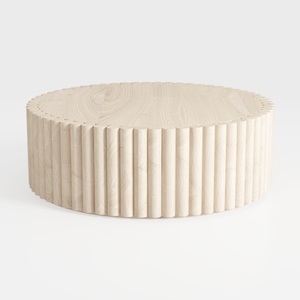
Minimalist Solid Wood Fluted Round Coffee Table 3D Model

Minimalist Solid Wood TV Stand Cabinet with Slatted Doors 3D Model
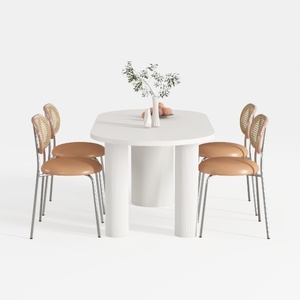
DUOMAY Modern Boucle Dining Chairs Set of 2,
Homestyler is a fantastic online platform for home design enthusiasts! With its user-friendly design tool, stunning 3D renderings, and a wealth of DIY video tutorials, you can easily explore your creativity and transform your space—perfect for both beginners and pros alike!
Design Now for FREE
































