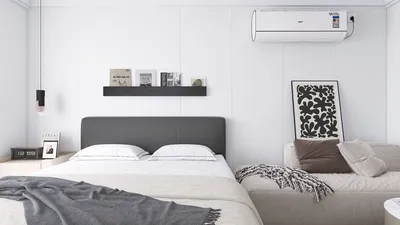


Lighting in corners does more than eliminate shadows; it influences our movement, concentration, and emotional response within a space. In various workplace and home improvement projects, I've found that strategically placed corner lighting—like uplights, wall washers, and compact floor lamps—can effectively minimize visual strain while enlarging the perceived space of smaller rooms. Studies support this approach: the WELL v2 guidelines advocate for ambient lighting that fosters circadian well-being and visual comfort by emphasizing glare reduction and balanced vertical light distribution to avoid harsh contrasts often associated with corners. Research from Steelcase further illustrates that well-lit spaces enhance comfort and engagement, with lighting quality emerging as a key environmental factor that influences cognitive performance.
The art of corner design hinges on achieving the right ratios and gradients in lighting. I target ambient light levels of 100-300 lux for living areas and 300-500 lux for workspaces, in accordance with IES standards for common residential functions. It's crucial to address vertical elements—like walls, bookshelves, and artworks—with a careful wash of light to circumvent the "cave effect" where corners appear as dark gaps. Herman Miller’s research emphasizes that adequate and comfortable lighting boosts focus and lessens eye fatigue, highlighting how consistent vertical brightness can soothe the visual landscape. For those interested in human-centered lighting techniques, the WELL Building Standard provides valuable insights on glare, color rendering, and circadian lighting at wellcertified.com.
Understanding Corner Lighting Essentials
Corners tend to accumulate contrast and shadow, primarily because most light fixtures are designed to illuminate the center of a room. To address this, layered lighting is essential, which includes ambient fills, accent highlights, and task lighting options. I typically utilize corner uplights that disperse warm light onto the ceiling, complemented by a wall-washing sconce or an adjustable floor lamp to enhance vertical surfaces. This combination boosts base illuminance and smoothes visual transitions. As you consider your space layout, a digital room planner can assist in simulating sightlines, glare potential, and fixture positioning before installation, especially when using tools like Homestyler for layout planning.
Selecting the Ideal Corner Fixtures
- Uplights: Slim torchières or built-in millwork uplights direct light to the ceiling, minimizing shadowy areas.
- Wall Washers: Adjustable sconces or track heads featuring elliptical beams effectively illuminate vertical surfaces, making them perfect for corners that showcase art or shelves.
- Compact Floor Lamps: A small base near seating can provide adaptable, low-glare lighting.
- LED Strips: Hidden behind corner shelving, they offer a seamless glow while keeping visual clutter to a minimum.
Harnessing Color Temperature for Mood Control
Color psychology plays a subtle yet powerful role in design. Warm white (2700-3000K) promotes relaxation in living spaces and bedrooms. Neutral white (3500-4000K) serves well in multifunctional corners—such as reading or homework areas. Cooler white (4000-5000K) can enhance focus in home offices but must be monitored for glare. I recommend avoiding extreme contrasts in a single sightline. Ensuring a consistent color temperature across corner fixtures promotes visual harmony and maintains the room's overall ambiance.
Managing Glare, Contrast, and Human Perception
Glare detracts from comfort, particularly in corners where bright lights can be at eye level. To combat this, employ shielded optics, frosted diffusers, and indirect lighting strategies. I focus on three factors: the brightness of the fixture (luminance), the contrast between lit and unlit areas, and the reflectivity of nearby surfaces. Matte paints (LRV 45-60) diminish specular highlights, while polished stone near a strong corner lamp can produce harsh reflections. The aim is to create smooth light transitions; a corner should appear as part of the overall design rather than an isolated spotlighted area.
Adjusting Spatial Ratios Effectively
Corners significantly influence perceived room dimensions. Properly lighting them enhances edge definition, contributing to a sense of spaciousness. I often apply a 1:3 ratio: for every bright focal piece, incorporate two softer supporting layers to ensure corners don’t detract from artwork or work surfaces. In open-concept layouts, a subtle glow in the corners can preserve visual coherence without diverting focus from primary areas.
Enhancing Acoustic and Visual Comfort
Well-designed corners contribute to improved acoustic quality as well. Utilizing soft materials—such as textiles, cork, and felt panels—can effectively disperse both sound and light. For example, a well-lit reading corner outfitted with a fabric shade and rug can reduce high-frequency reflections while alleviating glare on shiny surfaces. The outcome is a soothing sensory experience that minimizes fatigue.
Sustainable Lighting Solutions
Opt for LEDs that provide high efficacy (≥90 lm/W), equipped with dimmable drivers and extended lifespans to lower energy consumption and maintenance. Choose fixtures with high CRI (90+) for accurate color representation in decor or fabrics. In active corners, consider motion sensors or adaptive dimming to reduce energy waste without compromising comfort. Durable materials—like powder-coated metals and FSC-certified wood—ensure long-term sustainability and aesthetic appeal.
Creating Comfortable Living Room Corners
Position an uplight behind a corner sofa to reflect warm light upward, and pair it with a wall washer to illuminate bookcases and keep vertical surfaces clear. Maintain ambient lighting at 200-300 lux, utilizing dimming capabilities for evening settings. If seating arrangements change seasonally, pre-wire outlets in both back corners to allow for flexibility, experimenting with setups using tools like Homestyler to visualize layouts.
Establishing Calm and Restorative Bedroom Corners
In bedroom corners, opt for soft, indirect light sources next to wardrobes or vanities. Use 2700K bulbs with fabric shades and cutoff optics to minimize nighttime glare. Ensure night pathways are sufficiently illuminated (5-30 lux), while the corner adjacent to the bed remains warm and serene in tone. Be cautious about mirror placements that may reflect light directly into the pillow area.
Promoting Focus in Home Office Corners
Strive for a balance of ambient lighting at 300-500 lux along with indirect fills in corners to reduce contrast near the monitor. Position task lighting directly on your desk and uplift the adjacent corner with a wall washer to prevent frequent shifts in focus from bright screens to shadowy areas. Consistency in color temperature—around 3500-4000K—helps avoid cognitive disruption during work.
Maximizing Small Spaces and Tight Corners
In compact apartments, utilizing corner uplights with a sleek base can create a significant spatial illusion. Explore vertical LED bars integrated into shelves; these elements take up minimal depth and eliminate shadow formations. Mirrors can be effective but should be used judiciously to prevent the unintended creation of double images of bright fixtures.
Optimizing Material Pairings for Better Illumination
Select paints with mid-sheen finishes; high gloss can exaggerate glare, while deep matte can absorb light. Wooden materials in medium tones soften corners, while honed stone finishes avoid excessive reflection. Fabric shades with tighter weaves diffuse light more uniformly compared to those with loose weaves that create uneven spots.
Control Strategies for Optimized Lighting
Layer your lighting control by separating the circuits for ambient, corner, and task lighting. Create scene presets—such as "Evening Relax," "Reading," and "Entertain"—to facilitate repeatable comfort levels. For multipurpose areas, integrate presence detection to enable corner lights to assist in circulation without requiring manual adjustments.
Installation Considerations
Ensure your fixtures are not obstructed by drapes. Provide dedicated circuits in diagonally opposite corners to maintain balance. When implementing wall washers, verify mounting heights and beam angles target the lower third of the wall first before gradually illuminating upward. Always check heat clearance for enclosed lamps and make certain cable management does not create tripping hazards in confined corners.
Trends in Design for 2024-2025
Soft, indirect lighting, biophilic color schemes, and adjustable lighting spectra are trending. I am observing compact uplights integrated into millwork, mood-adjustable white lighting, and acoustic-light combinations that merge felt shades with diffusers—particularly effective in echo-prone living areas and studios.
Frequently Asked Questions
Q1: What is the recommended brightness for corner lighting in a living room?
A1: Aim for ambient lighting around 200-300 lux, using corner fills to enhance vertical luminosity enough to smooth out contrasts. Employ dimming capabilities for evening comfort.
Q2: Which color temperature is best for bedroom corners?
A2: A color temperature of 2700-3000K is ideal for creating a restful atmosphere. Ensure light sources are indirect and shielded to mitigate glare during the night.
Q3: How can I reduce glare from corner fixtures located near a TV or monitor?
A3: To prevent glare, use diffusers, indirect uplighting, and position fixtures away from direct reflection paths. Maintain a color temperature around 3500-4000K in office spaces.
Q4: Are wall washers superior to floor lamps for corner use?
A4: Wall washers provide better consistency in illuminating vertical surfaces, while floor lamps offer versatility; combining both often yields the best results.
Q5: Is high CRI necessary for corner lighting?
A5: For corners featuring art, textiles, or natural materials, a CRI of 90+ ensures true color representation and enhances textural richness.
Q6: Can corner lighting help small spaces appear larger?
A6: Absolutely. Properly illuminating corners expands perceived space by enhancing edge clarity and minimizing the "cave effect." Indirect uplighting is particularly effective.
Q7: What constitutes a sustainable corner lighting setup?
A7: Utilize efficient LEDs (≥90 lm/W), long-lasting drivers, dimming features, and sturdy finishes. Integrating motion sensors in circulation areas can help decrease energy consumption.
Q8: How should multiple corner lights be wired and controlled?
A8: Segregate corner circuits from ambient and task circuits, then program specific scenes for activities like reading, relaxing, or entertaining. Smart presence detection can enhance functionality in areas used for multiple purposes.
Q9: What materials can minimize glare in corners?
A9: Matte or honed surfaces, mid-LRV paints, and fabric shades are effective at reducing harsh reflections. Avoid glossy materials near strong light sources.
Q10: Are tunable white fixtures beneficial for corner lighting?
A10: Yes, in spaces used throughout the day, tunable white options allow shifting from cooler focus-oriented lighting to warmer, relaxing tones while maintaining visual cohesion.


Transform your home with Homestyler, the ultimate online design platform! Enjoy its user-friendly design tool, stunning 3D renderings, inspiring design projects, and helpful DIY video tutorials. Whether you're a beginner or a seasoned decorator, bringing your vision to life has never been easier!
Concevez maintenant gratuitement
































