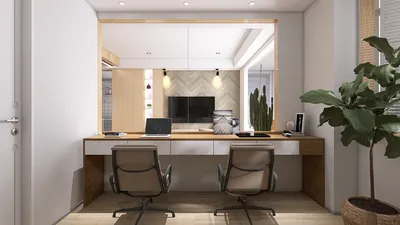


A cork board wall serves more than just a note holder; it transforms a blank area into an active organizing tool. In my studio, a cork wall that stretches from floor to ceiling significantly reduces the time spent searching for project information, as everything is conveniently located at eye level. This isn’t merely about aesthetics; research from Steelcase indicates that having visual clarity and less clutter enhances feelings of control and reduces stress, both of which are linked to improved performance in knowledge work. Furthermore, the WELL v2 standard emphasizes that well-organized display areas can foster cognitive health by diminishing visual distractions and minimizing decision fatigue, in line with the Mind concept's provisions.
The scale of your cork wall is vital. When we expand a pin-up area to over 1.2–1.5 meters in width, it allows teams to reference information without overcrowding, which enhances productivity and minimizes interruptions. According to research from Gensler, having access to appropriate tools and spaces is fundamental for effectiveness; implementing a designated wall for displaying information is a cost-effective solution that maintains clear desktops. On a material front, natural cork is known for its sound-absorbing properties, reducing sound reflection in rooms with hard surfaces, which is beneficial when participating in calls or focusing intently. For a deeper dive into how various workspace types and tools influence productivity, Gensler's research library is a great resource.
Designing Your Wall: Dimensions, Areas, and Visibility
Begin by delineating zones for ideas, tasks, calendars, inspiration, and a parking area. Position frequently accessed items between 900 and 1500 mm above the finished floor to ensure they are within ergonomic reach when standing. For multifunctional spaces, keep a clear central area for daily essentials while allocating longer-term references to the upper section of the wall. When tackling complex wall layouts, utilizing a digital interior layout planner such as Homestyler can help you visualize the cork field’s interaction with desks and pathways before you start the installation process.
Selecting Your Cork: Sheets vs. Tiles, Thickness, and Backing Material
The thickness of the cork affects pin durability and longevity. For routine pinning, cork ranging from 6 to 9 mm thick serves as an ideal choice, while heavy sample boards benefit from a thickness of 12 mm. I prefer using full sheets (600 to 1200 mm width) for sleek lines in contemporary settings, while tiles (300 to 600 mm) are excellent for creating patterns or DIY projects. Opt for high-density, fine-grain cork to achieve a tighter visual finish alongside enhanced pin retention. In cases of uneven walls, add a 6 to 12 mm MDF or plywood backer for a smoother surface and better adhesion prior to applying the cork.
Sound, Light, and Color Influence
A layer of cork measuring between 6 and 12 mm across a few square meters can effectively soften mid to high frequency sound reflections, reducing harsh echoes in small office environments. Combining this with warm lighting (3000 to 3500K) ensures that pinned materials remain legible while avoiding glare. It’s advisable to direct lighting away from glossy surfaces; diffused wall washes or 30 to 45-degree grazing lights enhance the texture of the cork without creating glaring spots. Regarding color, cork's warm neutral tone lies on the more comforting end of the color spectrum; insights from Verywell Mind illuminate how warmer tones can enhance feelings of coziness and approachability—crucial for brainstorming sessions. If you seek to inject some energy, consider adding cool accents around the cork to maintain balance.
Adhesives and Mounting: Ensuring a Clean, Flat, and Reversible Setup
For a permanent installation: apply a water-based contact adhesive specifically designed for cork and porous substrates; ensure sheets are back-buttered to avoid indentation. For a semi-permanent installation in a rental, mount a painted MDF board secured to the studs (with countersunk screws filled) and adhere the cork to that panel—this allows for easy deinstallation with minimal wall repairs. Always allow cork to acclimate for 24 to 48 hours on-site to mitigate gaps due to expansion. In humid environments, it’s wise to leave a 1 to 2 mm shadow gap at the edges and finish using thin wood or metal channels for a polished appearance.
Finishing Edges, Grids, and Visual Pattern
To prevent a cork wall from appearing chaotic, I lightly score pencil grids at 150 to 200 mm intervals before initial use. This subtle guide encourages orderly rows of notes without the need for a ruler. For those preferring a framed look, applying slim wood stops (10 to 15 mm) around the outer edge can enhance aesthetics. In cramped spaces, I extend the cork to the ceiling and leave a gap of 50 to 75 mm above the floor to bypass baseboards—this creates the illusion of height and helps keep dust off the lower edges.
Zoning Your Workflow: Achieving Immediate Legibility for Information
The objective is clarity. I utilize color-coded pins or washi tape to differentiate categories—blue signifies deadlines, green indicates resources, and red denotes blockers. Each cluster features a label positioned at the top left, and I limit each to a maximum footprint of A2 to prevent overcrowding. For collaborative teams, arranging the workflow from left to right—backlog, in progress, review, completed—mirrors Kanban methods, reducing the mental strain of switching contexts. Every Friday, I take time to review the wall to remove outdated items and reset for the week ahead.
Illuminating the Cork Wall Without Glare
The Illuminating Engineering Society (IES) recommends maintaining task lighting levels between 300 and 500 lux in office settings; position your wall lighting so that text remains easily readable within this range. Linear LEDs with forward throw ability and a 20 to 30-degree cutoff can minimize reflective glare, particularly on glossy printed materials. If ceiling lights are your only source, adjust them to be 300 to 600 mm away from the wall and utilize a medium beam to graze rather than directly illuminate. Dim-to-warm drivers help ensure comfort during evening sessions.
Checklist for Tools and Materials
- Cork sheets or tiles (6 to 12 mm thick, high density)
- Backer board (MDF or plywood, 6 to 12 mm) if the wall surface is uneven
- A water-based contact adhesive or construction adhesive suitable for cork
- J-roller or laminate roller for uniform pressure
- Stud finder, level, straightedge, and sharp blades
- Edge trim (optional), finish nails or adhesive
- Pins: a mix of map pins (thin), T-pins (for heavier items), and bulldog clips on push-pin hooks
Step-by-Step Installation Process (My On-Site Approach)
1) Preparation and planning: Mark stud lines, outlet placements, and zone diagrams.
2) Backer installation (if required): Cut, pre-paint, and securely attach panels to the studs, ensuring they are flush and level.
3) Dry-fit cork: Arrange sheets or tiles on the floor to optimize grain alignment and minimize seams.
4) Adhesive application: Spread evenly while remaining mindful of open time. Back-butter cork sheets to ensure full contact.
5) Applying and rolling: Begin from a reference line and work outward. Employ a J-roller with consistent pressure to eliminate bubbles.
6) Trimming and edging: Flush-trim the perimeters and install slim trim using adhesive or pin nails.
7) Conditioning and pinning: Allow adhesives to cure as specified before adding heavy items.
Styling and Maintenance
I maintain a neutral aesthetic with kraft labels and black clips, switching in seasonal or project-specific color accents. Cork is self-healing, but repetitive heavy pin changes in the same location can enlarge holes over time; I recommend rotating zones quarterly. Dust off with a soft brush attachment and spot-clean using a slightly damp cloth. For cork walls exposed to sunlight, consider applying UV-filter film to windows to slow down shifts in appearance.
Cost and Sourcing Considerations
Costs can vary based on cork thickness and density. Typically, sheets offer better pricing per square meter compared to tiles. Factor in any additional expenses for trim and backing materials if the walls are uneven. Those prioritizing sustainability should seek cork sourced using certified practices and low-VOC adhesives, aligning with WELL v2 material guidelines (wellcertified.com).
When a Cork Wall May Not Be Appropriate
In areas with high humidity and no climate control, cork can expand, causing edges to curl if not acclimated and sealed properly. For supporting heavy sample boards or tools, contemplate using a plywood pegboard in the lower third with cork above to enable a mixed load capability. In compact spaces with limited wall area, a framed cork rail (1200 to 1800 mm wide) can provide 80% of the functionality with more straightforward installation.
Frequently Asked Questions (FAQ)
Q1. What is the ideal cork thickness for reliable pinning?
A1. For general use, a thickness of 6 to 9 mm effectively holds standard push pins; a thickness of 12 mm is preferable for heavier materials like cardstock and fabric samples. The material's density also plays a critical role—opting for high-density, fine-grain cork yields optimal pin retention.
Q2. Will a cork wall assist in noise mitigation?
A2. Yes, it can moderately decrease noise levels. Cork provides absorption for mid to high frequencies, softening echo in hard-surfaced rooms. While it won’t completely replace specialized acoustic panels, even a small cork area can significantly reduce unpleasant sound reflections during calls.
Q3. What type of lighting is best for ensuring readability?
A3. Aim for lighting levels between 300 and 500 lux on the wall surface, which aligns with typical office task lighting as advised by the IES. Utilizing diffused lighting options or grazing at a 30 to 45-degree angle can help avoid glare caused by glossy finishes.
Q4. Is it feasible to install cork in a rental without causing wall damage?
A4. Yes, you can attach cork to a painted MDF panel that is secured into studs; it will be easier to patch up a few small holes upon moving out. It's best to avoid applying direct adhesive to drywall if reversibility is essential.
Q5. How can I prevent visual clutter from accumulating over time?
A5. Designate specific zones, establish a maximum size for each information cluster, and set a routine to remove outdated items. Using consistent labels and color-coding assists in keeping everything organized. Also, implementing a light pencil grid at 150 to 200 mm intervals can help maintain alignment.
Q6. What is the optimal method for accommodating outlets and switches?
A6. Begin by removing outlet covers, then carefully cut cork to fit around openings using a sharp knife and straightedge before reattaching covers. If a backer board is in use, make sure to plan your cork cutouts beforehand.
Q7. Is sealing cork necessary?
A7. Generally, sealing isn’t required in most office settings. However, if you anticipate fingerprints or spills, applying a matte, water-based clear coat designed for cork can improve durability without altering its appearance. Be sure to test it on a sample piece first.
Q8. How can I integrate cork with other wall tools?
A8. Consider pairing a lower pegboard made of plywood or a magnetic strip with upper cork sections. In shared spaces, adding a narrow whiteboard strip for quick sketches can be beneficial, ensuring the main surface remains dedicated to cork for pin-up practicalities.
Q9. Will cork discolor over time?
A9. Natural cork can darken with sun exposure. To minimize this change, consider using UV-filtering window film or light-filtering shades, and rotate your displayed content to balance out the patina.
Q10. Can I use double-sided tape in place of adhesive?
A10. High-tack double-sided tapes may work temporarily for smaller tiles, but their effectiveness will decrease over time as heat and humidity impact the adhesive bond. For larger installations, it’s best to use rated contact or construction adhesive instead.
Q11. How should I manage walls with texture?
A11. You may need to skim-coat and sand to achieve a smoother finish or install a flat backer. An uneven wall surface can compromise the integrity of thin cork and diminish its adhesion.
Q12. What can I do to prevent pinholes from damaging important documents?
A12. Utilize bulldog clips attached to push-pin hooks or employ magnetic clips on a thin steel strip anchored within the cork field, which will help keep crucial documents intact without pinning them directly.

SEDETA Executive Computer Desk, 63 x 23.6 inch

PRAISUN 47 Inch Office Desk with Outlets, Computer

Winsome Studio Home Office, Writing, Honey
Homestyler is your go-to online home design platform! With its easy-to-use design tool, stunning 3D renderings, and a wealth of DIY video tutorials, you can effortlessly bring your creative ideas to life and transform your space. Start designing today!
Zaprojektuj teraz za darmo
































