

Quick Overview
- The core and shell design enables versatile customization by first constructing the essential services and structural components, while leaving the outer and inner finishes incomplete for tenant-specific adaptations.
- This strategy can notably shorten construction time and expenses, facilitating quicker leasing processes as tenants can move in and modify the area to their liking.
- Core and shell design encourages sustainability by minimizing waste through the use of only the required materials for the finishings.
This architectural strategy of core and shell design is increasingly favored for office buildings due to its blend of practicality and versatility. It involves the completion of the core components, which encompass essential services and structural features, while keeping the outer shell available for customization. This methodology particularly benefits developers and tenants seeking flexible spaces that can adapt to changing requirements. Whether you're an architect, property developer, or business proprietor, grasping the intricacies of core and shell design is pivotal for optimizing spatial efficiency. With tools like Homestyler, you can visualize how these customized designs can come to life.
What is Core and Shell Design?
Core and shell design is a construction technique that prioritizes the completion of a building's core—which encompasses elevators, stairwells, restrooms, and structural supports—before leaving the shell, or outer structure, unfinished. This allows prospective tenants to design the interior according to their unique specifications. Such an approach provides considerable flexibility and can lead to significant reductions in both construction time and costs.
Advantages of Core and Shell Design
Among the most significant benefits of core and shell design is the capacity to tailor workspaces according to tenant preferences. For example, a tech enterprise may lean towards an open layout, while a law firm could favor more separated offices. Furthermore, this setup facilitates quicker leases, as tenants can personalize their surroundings without waiting for extensive renovation that is normally associated with traditional designs. Additionally, it promotes eco-friendliness by curtailing waste since only necessary materials for the interior finish are utilized.
Challenges of Core and Shell Design
Despite the many advantages, core and shell design comes with its own set of challenges. A critical consideration is ensuring that the infrastructure can accommodate various tenant layouts effectively. Moreover, maintaining clear communication and strong coordination between developers and future tenants is vital to prevent conflicts throughout the fit-out phase. Adopting effective planning and communication approaches is crucial for the success of such projects.
In Summary
Core and shell design embodies a progressive approach to office building architecture, fostering both flexibility and personalization. Adopting this strategy can result in innovative, functional spaces that cater to a wide range of business requirements. Have you reflected on the potential of core and shell design in reshaping your own workspace? We invite you to share your thoughts and insights in the comments!
Welcome to the premier Office Design Software.


Minimalist Black Stone Coffee Table Unique Irregular Shape 3D Model
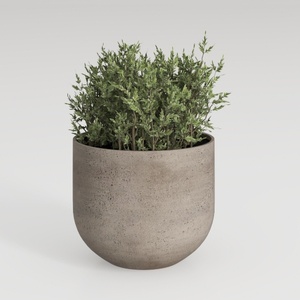
Minimalist Concrete Planter Pot with Indoor Greenery 3D Model
Homestyler is the ultimate online platform for home design enthusiasts! With its intuitive design tool, stunning 3D renderings, and a wealth of DIY video tutorials, you can effortlessly transform your space and explore endless design possibilities. Unleash your creativity today with Homestyler!
立即免费设计
































