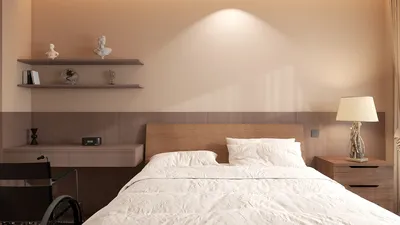


Concealed voice recording within a space is a complex issue that intersects technology, ethics, and acoustic design. My perspective is clear: when there is a legitimate and clear rationale—such as obtaining approval for note-taking during research discussions or protecting at-risk individuals—subtle audio devices can be set up correctly. The context is crucial, as are the sound dynamics, material choices, and overall configuration that significantly impact the quality of recordings.
Research provides strong evidence regarding how environment affects sound clarity and comprehension. A study by Steelcase indicates that distractions from noise diminish cognitive function and increase stress levels, particularly in open workspaces where speech intelligibility sinks below 0.6 STI in inadequately treated environments. The WELL v2 standards advocate for the management of ambient noise and echo reduction to enhance speech clarity and ensure privacy levels. These guidelines serve as a reminder that achieving quality in recordings extends beyond just the recording device; it's about the environment.
The intersection of health and architectural design is also pertinent in this context. The WELL v2 framework promotes acoustic comfort through effective reverberation management and background noise limitations, while IES suggests that properly balanced lighting avoids making power supply noise or indicator reflections evident in quiet areas. Steelcase's findings further recommend spatial zoning, utilizing soft materials, and establishing behavioral norms to mitigate disruptive sound transmission. I always keep these principles in mind when considering microphone placement, operational settings, and the ethical dimensions of usage. Refer to Steelcase's workplace studies for more insights.
Essential Guidelines for Concealed Audio Recording
• Legal and ethical considerations: Ensure you gather necessary consent and familiarize yourself with local legislation; certain areas require mutual consent for any recording activity.
• Prioritize acoustic strategy: The efficacy of recording devices is intertwined with reverberation time (RT60), background noise levels, and the directionality of speech.
• Maintain a subtle visual presence: Embed audio recording equipment within innocuous objects (such as bookshelves, acoustic panels, or desk decorations) without interfering with safety systems.
• Manage power and heat: Ensure that power sources do not emit humming noises and that the devices do not overheat, as these can produce unwanted sound.
Acoustic Influences on Recording Quality
Environments featuring hard surfaces typically generate prolonged RT60; this results in muddled speech and unclear consonant sounds. My objective is to achieve a cohesive absorption and diffusion balance: items like rugs, curtains, cushioned seating, or perforated wood and fabric panels can decrease RT60 to a more desirable level (usually between 0.3 and 0.6 seconds for smaller rooms focusing on speech). Steelcase emphasizes the importance of material choices in reducing distractions, which I incorporate into my strategy with targeted placement—soft finishes close to speakers and diffusers positioned behind them to prevent echo.
Background noise serves as another barrier. Sounds from HVAC systems, refrigerator compressors, and foot traffic can pollute recordings. The acoustic features of WELL v2 promote the reduction of mechanical noise and sound isolation. I utilize a straightforward calibration method: recording a 30-second ambient sound sample, evaluating A-weighted sound levels, and repositioning the microphone away from ducts and doors. Directional microphones aimed at the main speaking area (typically between 0.8 and 2.0 meters from the sound source) can enhance the signal-to-noise ratio without amplifying the gain unnecessarily.
Selecting the Proper Microphone Type
• Omnidirectional mini-microphones: Ideal for small, well-treated spaces with multiple speakers; sensitive to surrounding noise.
• Cardioid or shotgun microphones: Designed to capture sound from a specific direction; effectively minimize noise from sides and rear; preferable for desk or shelf applications.
• Boundary microphones: Installed on rigid surfaces such as tables or walls; utilize pressure zones to diminish phase interference and enhance speech clarity during meetings.
• Lavalier (discreet) microphones: Only ethical and lawful with explicit consent; provide excellent speech isolation when positioned correctly.
Strategies for Microphone Placement in Actual Spaces
My strategy is straightforward: identify the primary area where speech occurs and create an unobtrusive acoustic environment around it. Situating a cardioid microphone within a decorative object on a sideboard, angled towards the seating area, or a boundary mic on a credenza aligned with the conversation axis works well. It's crucial to elevate the device slightly to mitigate footfall noise while preventing ceiling reflections from overpowering the recording.
For spaces requiring planning—like a compact office where the microphone needs a discreet and acoustically favorable location—I utilize a room layout tool like Homestyler to simulate furniture arrangements and soft finish materials, helping visualize the distance from seating to microphone, reflective surfaces, and paths for potential HVAC noise before settling on a definitive placement.
Power, Storage, and Battery Considerations
Many concealed recording devices are hindered by practical issues. I opt for low-noise power sources featuring ferrite chokes and shielded cabling, or battery packs that are isolated from vibrations. Devices with robust solid-state storage options (microSD) and conservative bitrate configurations (such as 48 kHz/24-bit for archival purposes; 16-bit when space is limited) are my preference. I run trials: recording 10 to 15 minutes, examining the waveform for clipping or humming, adjusting the gain, and observing the thermal performance to ensure the device remains cool and silent.
Lighting Conditions and Discretion
Bright, cool lighting (4000–5000K) can highlight hardware edges or indicator lights. I diffuse harsh overhead light and rely on warmer task lighting (2700–3000K) to soften shadows while preserving a natural look. I disguise recording devices within everyday objects: a bookend, the base of a plant, or the back of a picture frame—never in fire alarms or critical sensors. Managing glare is essential to avoid reflections that could reveal a lens or grille.
Beneficial Materials and Finishes
Materials that absorb sound, like textured wall coverings and cork or felt accessories, provide significant acoustic benefits. Even small area rugs can dampen mid-to-high frequency reflections. I harmonize device finishes to ensure they blend seamlessly: matte textures minimize glare; perforated panels can conceal a microphone while allowing sound to penetrate; wooden lattices diffuse sound and prevent direct sightlines.
Human Behavior, Ergonomics, and Interaction
Speech direction is a behavioral pattern: individuals face each other, glance at screens, and lean towards tables. A cardioid microphone, positioned to match typical conversational angles, captures clarity without excessive gain. From an ergonomic perspective, the device should be easily accessible for maintenance and data retrieval without awkward positioning—situated behind a hinged panel, inside a desk organizer, or underneath a shelf edge. Aligning its placement with natural workflows helps reduce the chance of accidental discovery and minimizes the impact on everyday activities.
Ethics, Consent, and Policy Considerations
The subject of concealed recording quickly transitions from a technical discussion to an ethical debate. It is critical to establish transparent policies, post signage when necessary, and obtain explicit consent for interviews or discussions. Avoid capturing audio in private settings and never misuse devices for surveillance beyond legal boundaries. I suggest having a straightforward protocol: a consent checklist, encrypted storage, access logs, and defined retention policies to guarantee that audio recordings respect privacy and comply with applicable regulations.
Testing and Calibration
Prior to any prolonged usage, I execute three assessment rounds: (1) capturing ambient noise at varying times throughout the day; (2) performing speech tests at standard conversation levels (around 60-65 dBA) from the planned seating distance; (3) subjecting the setup to stress tests with active HVAC units and door operations to assess transient sounds. Comparing placements—shelf versus boundary table—often reveals considerable differences in intelligibility. It’s vital to document settings, systematically label files, and develop a quick recovery strategy.
Routine Maintenance and Data Security
Establish a regular timetable for checking batteries, offloading storage, and updating firmware. Encrypt sensitive audio files; limit access to authorized individuals; maintain a tamper-evident case when legally required. Retention guidelines should adhere to the principle of minimal necessity, specifying clear timelines for deletion. Discretion involves not just physical measures, but also procedural safeguards.
Frequently Asked Questions
To minimize reverberation times, incorporate soft finishes (such as rugs, curtains, and upholstered items) and manage mechanical sounds. Strive for an RT60 between 0.3 and 0.6 seconds in smaller speech-oriented rooms.
The requirements depend on local laws and circumstances. Numerous jurisdictions enforce either one-party or two-party consent regulations. It is advantageous to implement clear protocols and secure explicit consent when necessary.
Cardioid or boundary microphones are effective for targeted speech capture, while minimizing background noise. For small, well-designed rooms, omnidirectional microphones also work well.
Direct microphones toward the conversation zone at a distance of 0.8 to 2.0 meters. Avoid direct alignment with HVAC vents, elevate them slightly above the floor to prevent noise, and use sound diffusion behind speakers to cut down on echo.
Utilize warmer, diffused lighting to prevent reflections that might reveal equipment; ensure that device indicators are turned off or obscured; and manage glare to avoid drawing attention.
To reduce noise, implement soft furnishings, door seals, fabric panels, and reposition the recorder away from mechanical sound sources. Establish behavioral protocols, such as shutting doors during discussions.
For a balance of clarity and manageable file sizes, 48 kHz/24-bit is reliable; 16-bit suffices for taking notes. Use dependable microSD cards, check write speeds, and encrypt sensitive recordings.
WELL v2 outlines acoustic features concerning noise and reverberation, while Steelcase’s workplace research introduces strategies to mitigate auditory distractions and enhance clarity.
Indeed, visualizing seating arrangements, reflective surfaces, and HVAC routes with an interior layout design tool like Homestyler can significantly aid in pinpointing optimal microphone placements.
Select quiet power adapters, utilize ferrite chokes, and employ battery packs that minimize vibrations; route cables alongside existing conduits to avoid noise from transformers.
Establish comprehensive consent documentation, enforce access restrictions, apply encryption measures, define retention limits, and prioritize transparency. Never use recording devices in private spaces without lawful authorization.
Conduct ambient, speech, and stress testing; review recordings for any odd noises or clipping; adjust gain and positioning as needed; and document configurations to ensure consistency.
Modern Minimalist Solid Wood TV Stand Cabinet with Storage 3D Model

Minimalist Solid Oak Round Coffee Table 3D Model
Minimalist Fabric L Shaped Sectional Sofa with Ottoman 3D Model
Discover the ease of home design with Homestyler! This intuitive online platform provides a powerful design tool, stunning 3D renderings, a wealth of inspiring design projects, and helpful DIY video tutorials. Transform your ideas into beautiful spaces effortlessly—perfect for both beginners and seasoned designers!
Design jetzt kostenlos
































