


For over ten years, I have focused on creating and modifying heating systems for small homes and cabins, finding that a compact wood stove is often the most rewarding option for tiny living spaces. The ideal model provides not only warmth but also efficiency and comfort, seamlessly fitting into a limited layout. In this guide, I will outline the methods I use to accurately size, position, vent, and detail these small stoves within tight areas, presenting concrete data and safety principles to ensure clean burning and optimal indoor air quality, enhanced by tools like Homestyler to assist in visualizing your space.
It’s essential to meet ventilation and health standards when installing heating appliances. The WELL Building Standard (Air, WELL v2) highlights the importance of proper ventilation and source control for combustion devices. Research by organizations such as the Illuminating Engineering Society and IFMA indicates the risks of inadequate make-up air in tightly sealed environments. Furthermore, studies from Steelcase reveal a link between thermal comfort and workplace productivity, showing a 2–4% performance variation for each degree Celsius deviation from neutral temperatures. Understanding these dynamics helps in creating healthier living conditions, particularly when integrating efficient solutions like those offered by Homestyler.
The psychology of color plays a significant role in our perception of warmth. Research from Verywell Mind indicates that colors such as reds and oranges can evoke feelings of coziness and energy. When I combine a small iron stove with warm-toned clay walls or terracotta accents, many users report a swifter sense of thermal comfort, almost immediately upon entering the space. This psychological effect is crucial when balancing the output of compact stoves with their rapid heating cycles within tiny homes.
Finding the Right Heat Output
Typically, tiny homes range from 120 to 400 sq ft in size. In moderate climates, aim for a heating capacity of 3,000 to 7,000 BTU/h during transitional seasons, increasing to 8,000 to 12,000 BTU/h for colder periods. Many micro stoves rated for 10,000 to 20,000 BTU/h can lead to overheating unless coupled with meticulous fuel management. I use a guideline of approximately 20 to 30 BTU/h per square foot for standard tiny house insulation (R-13 walls and R-19 roofs), adjusting based on climate conditions, window specifications, and air leakage. Opting for a small firebox that features a controllable air wash system encourages gentle and consistent heat production.
Clearances, Shields, and Protective Flooring
Installing compact stoves requires careful attention to spatial clearances. Many small units made of steel or cast iron necessitate a distance of 12 to 18 inches from combustible materials, which can be reduced to 6 to 9 inches with properly tested wall shields and air gaps. I recommend a hearth made from non-combustible material extending 8 to 16 inches outwards from the loading door (be sure to consult the specific model guidelines). Ideally, using fire-rated boards alongside tile or stone for protection will enhance safety, while simple corner placements can facilitate better heat distribution throughout the space.
Venting and Air Supply
Effective draft in a tiny home is largely maintained by the height of the flue and the availability of make-up air. Aim for an effective vertical flue height of 12 to 15 feet whenever feasible; employing insulated double-wall piping can help maintain optimal stack temperature and mitigate creosote buildup. In high-performance compact homes, using a dedicated outside air kit (OAK) can enhance draft stabilization while minimizing negative pressure. Additionally, it is recommended to maintain minimal bends in the flue system, favoring two 45° offsets over a sharp 90° turn. The selection of a high-wind cap is crucial in exposed areas to prevent downdrafts and ensure consistent airflow.
Guidelines for Selecting a Suitable Small Stove
When choosing micro stoves, aim for those that are UL/CSA listed, equipped with a firebox of approximately 1.0 cu ft or smaller, and feature a tightly sealed door and controlled primary air intake. Models with glass doors provide immediate visual cues regarding the combustion process, assisting in thoughtful loading habits. If you enjoy off-grid cooking, consider models with a cooktop surface, but ensure that cookware does not obstruct flue gas flow. If your living space includes areas where you spend considerable time (like a loft bed or work desk), prioritize stoves with soft radiant heat profiles over those with harsh convective jackets.
Design Layout and Safety Considerations
In a living area measuring between 200 and 300 sq ft, I create models that take into account circulation paths, exit routes, and necessary clearances around the stove. A minimum of 36 inches of unobstructed floor space should be maintained in front of the stove for safe loading and ash management. It's advisable to avoid placing the stove under loft overhangs where heat concentration might be excessive; rather, orient the stove towards the centerline of the longest wall for optimal heat distribution. To assist in planning furniture arrangements or corner placements, utilizing a design tool like Homestyler can help visualize heat flow and movement pathways prior to finalizing your layout.
Combustion Air, Sensors, and Compliance
It's critical to install a sealed carbon monoxide alarm in the living area and a smoke detector positioned at ceiling level, away from cooking areas. Ensure clear visibility of the stove door for quick access in emergencies. If your tiny home fits the classification of an RV or accessory dwelling, local regulations may stipulate the installation of certified appliances, appropriate flue systems, spark arrestors, and specific clearance requirements. Keeping detailed documentation of the entire venting pathway and the types of fasteners used will facilitate smooth inspections.
Fuel Quality and Efficient Burning Techniques
Using seasoned hardwood with a moisture content of 15 to 20% yields cleaner burns and more consistent heat delivery. Begin with smaller splits to establish a hot bed of coals, then incorporate one or two medium splits to facilitate visible secondary combustion without producing excessive smoke. Avoid the issue of smoldering fires, which can elevate indoor particulate levels and lead to creosote accumulation. Store firewood off the ground in a ventilated, rain-protected area; a compact rack placed near an entrance minimizes dirt and debris in high-traffic zones.
Thermal Comfort, Lighting, and Sound Management
The perception of warmth transcends mere temperature. Incorporating warm color accents surrounding the stove can significantly increase the feeling of coziness, while glare-free lighting around the fireplace contributes to overall comfort. I prefer using ambient lighting in the range of 2700 to 3000K with diffused covers to soften contrasts between the flame's brightness and the overall room illumination. Acoustically, a small stove will add some mechanical sounds associated with draft and thermal expansion; utilizing soft furnishings and cork flooring can help absorb these sounds without endangering the non-combustible areas.
Material Choices and Eco-Friendliness
Select stoves crafted from durable, easy-to-maintain materials—cast iron for heat retention, low-VOC high-temperature finishes, and replaceable gaskets. When constructing shields and hearths, opt for stone, tile, or fiber cement boards while steering clear of combustible surfaces within specified clearance zones. Consider sourcing hardwood locally to minimize transport impacts, and favor kiln-dried options that assure consistent moisture content. For those looking to go off-grid, plan for a system to repurpose ash in composting (in limited amounts) while ensuring proper recycling routes for worn-out parts.
Maintenance and Seasonal Care
It is advisable to clean the flue at least once every heating season, or after every cord of wood burned. Check the seals on the door for wear and replace them if they appear hard or cracked. Regularly examine the cap for soot or nesting debris and ensure that screws and brackets remain secured after experiencing freeze-thaw cycles. Dust off any convection channels (if available) and keep the stove surface clear of oils as high temperatures can cause stains.
Daily Living Patterns and Workflow
In compact homes, typically, morning and evening fires suffice to maintain warmth. I prefer a quick morning start-up for a clean and hot flame to take the edge off the cold, followed by a more temperate evening burn. If you are working from home, consider positioning your desk outside the direct radiant zone; moving just 4 to 6 feet away can eliminate extreme heat spots, enhancing focus. Regularly loading smaller logs yields steady warmth compared to a single large, smoldering load.
Cost Considerations and Value Assessment
The price for a quality small stove, including the flue system, protective shields, and hearth, can range from $1,200 to $3,500 depending on the brand and installation complexity. Consider labor costs if you’re not handling the flue installation yourself. Value is defined by reliability and efficient combustion—features like tight tolerances, quality gaskets, and proper clearance practices help minimize long-term issues.
When a Compact Wood Stove May Not Be Suitable
If local burn bans are prevalent, or if your lifestyle does not align with frequent maintenance, it might be wise to consider sealed direct-vent propane heaters or high-efficiency heat pumps. In extremely compact homes with footprints under 150 sq ft, intense radiant heat from a small wood stove may not be ideal; instead, small electric panels accompanied by comprehensive structural upgrades may prove more suitable.
Key References and Standards to Consider
To ensure compliance with ventilation, combustion source control, and health standards, I regularly compare designs with WELL v2 (Air) guidelines and workplace comfort studies from Steelcase and Herman Miller. For insights into color perception and the feeling of warmth, Verywell Mind’s research on color psychology is an invaluable reference: Color Psychology.
Frequently Asked Questions
For a living space of 200 to 300 sq ft with average insulation, aim for a heating output of 5,000 to 10,000 BTU/h. In colder regions, consider increasing this to 8,000 to 12,000 BTU/h while carefully managing fuel loads to prevent overheating.
In airtight environments, the use of a dedicated outside air kit significantly enhances draft stability and reduces backdraft risks. It is a straightforward enhancement that improves combustion quality.
Consult the stove’s specifications for minimum clearance requirements, which typically range from 12 to 18 inches from combustibles, reducible through certified shielding. Hearth extensions usually mandate an 8 to 16-inch protrusion beyond the stove’s loading door.
Aim for an effective vertical flue height of 12 to 15 feet, ensuring that it includes insulated sections through areas not climate-controlled. Minimizing bends in the flue will ensure better draft quality.
Yes, provided the stove is designed with a flat, durable top. Be cautious not to obstruct flue pathways, and avoid cooking during the initial start-up to maintain clean combustion.
Use seasoned firewood at a moisture content of 15 to 20% for optimal performance. A portable moisture meter is a valuable tool for achieving cleaner glass, reduced creosote, and consistent heat.
Select a small firebox stove, load smaller logs, improve loft ventilation, and position the stove away from tight corners to prevent concentrated radiant heat.
Install a CO detector in living spaces and a smoke alarm near the ceiling, away from the cooking area. Regularly test alarms and follow manufacturer guidelines for replacements.
Using warm, diffuse ambient light between 2700 and 3000K minimizes glare while ensuring a comfortable contrast with the stove’s flame.
Certainly! Alongside good insulation and dry wood storage, regular flue maintenance is vital. Consider opting for a cooktop model to enhance functionality.
Yes, utilize an interior layout planner or design visualization software like Homestyler to simulate clearances, circulation routes, and radiant zones before making commitments to your design.
If burn bans are common, if you require straightforward temperature management, or if the space is very compact with an upper loft, sealed direct-vent heating systems or heat pumps may be better suited.
Built on technology originally developed at Autodesk, Homestyler empowers anyone to design beautiful, realistic spaces in minutes. Join over 20+ million registered users (platform data, 2026) who have already discovered a smarter way to plan, visualize, and bring their dream homes to life — all from the comfort of a browser.

Minimalist Solid Oak Fluted TV Stand with Black Metal Legs 3D Model
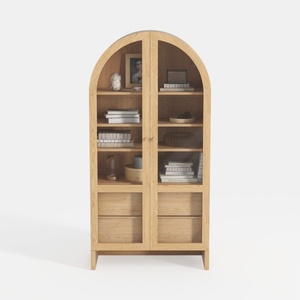
Minimalist Solid Wood Arched Display Cabinet 3D Model


Minimalist Solid Oak Round Side Table Set 3D Model
Homestyler is the ultimate online home design platform for anyone looking to transform their space effortlessly. With user-friendly design tools, stunning 3D renderings, a plethora of design projects, and inspiring video tutorials, you can unleash your creativity and visualize your dream home in no time!
Progetta ora GRATIS











![[For my dearest Sabrinik 🧡]](https://hs-designs.homestyler.com/production/design/images/3f463715-5ed6-4c49-9346-16d464510aa6/1714085722568.jpg?x-oss-process=image/resize,w_502,m_mfit/format,webp)